Chainguard defends early release of PHP security fixes after developer criticism
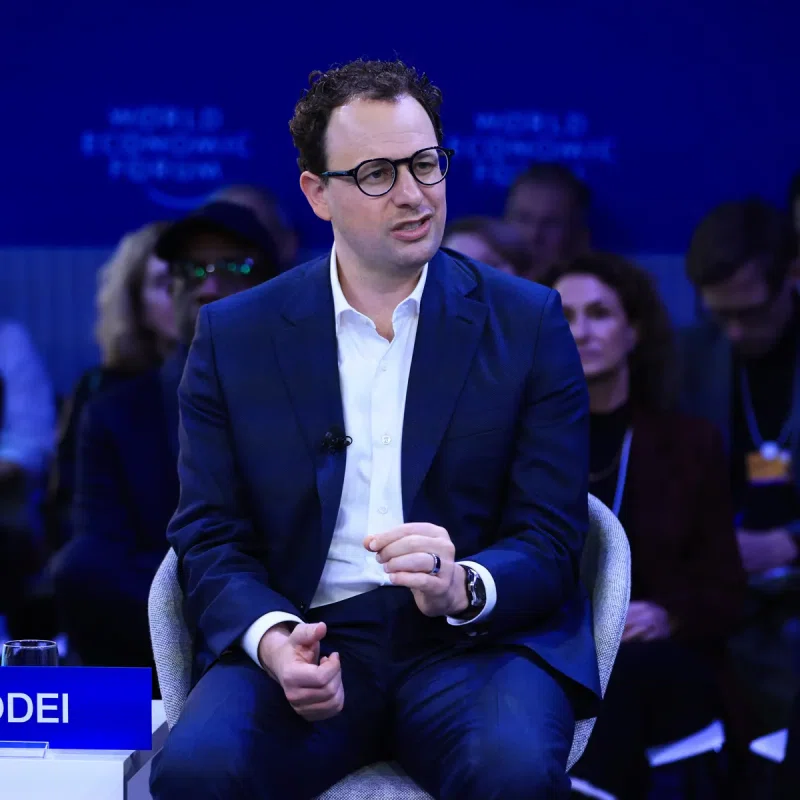
Chainguard CEO Dan Lorenc says the company shipped fixes because people were being hit by exploits before the official disclosure.
 AI & Cyber Desk 2 min read

PHP developers have accused software supply chain security firm Chainguard of revealing critical bugs in the open-source scripting language ahead of a planned official disclosure. On October 21st at 07:41 UTC, Chainguard published built images containing a fix more than six hours before the coordinated release. The PHP Foundation said this unilateral action disregarded weeks of work toward a coordinated disclosure and allowed attackers to study the fix in binary form while other users waited for the release.
The vulnerabilities, known as PHP2shell and tracked as CVE-2026-109618 and CVE-2026-109619, can allow an unauthenticated attacker to execute code on servers running PHP. Researchers at Calif, OpenAI, and Wiz found the security holes between August and September using AI models. Every PHP version released in the last decade, going back to version 5.4, is affected by at least one of these vulnerabilities.
Chainguard CEO Dan Lorenc said the company decided to ship the fixes because rumors had started and people were getting hit in advance of the official disclosure. Lorenc stated that coordinated vulnerability disclosure applies unless there is evidence of active exploits in the wild. He added that Chainguard's honeypots trapped IPs from China and Russia targeting the vulnerabilities on Wednesday.
The PHP Foundation moved the planned disclosure forward from Thursday to Wednesday after rumors and incorrect information about the bugs began circulating on social media on Tuesday around 15:00 UTC. A video showing a proof-of-concept exploit and limited information about the bugs was also published by Calif.
Wiz researchers warned that successful exploitation could allow attackers to take control of affected servers, steal sensitive data, and deface websites. They noted that PHP powers 70 percent of all websites in the world.
Key facts
- The PHP2shell vulnerabilities, CVE-2026-109618 and CVE-2026-109619, allow unauthenticated code execution.
- Chainguard released fixed images on October 21st at 07:41 UTC, before the coordinated PHP disclosure.
- PHP versions dating back to 5.4 are affected by these vulnerabilities.
Three perspectives
Neutral
PHP developers accused Chainguard of breaking an embargo on security fixes, while Chainguard CEO Dan Lorenc defended the move as a response to active exploitation.
Positive
Chainguard helped test the patches and worked with PHP maintainers after confirming its findings matched the bug reports.
Negative
The early release of built images allowed attackers to study the fix in binary form before the official disclosure.
Your week in news, every Wednesday
The biggest stories of the week for your edition, in your inbox every Wednesday morning, your time. Free, and you can unsubscribe at any time.