Democrats flip seats in midterm elections as tariff backlash hits Republicans
Voters in agriculture and border states rejected the administration's trade agenda, signaling a potential political cost for Republican loyalty to President Trump's tariffs.
 Politics Desk 2 min read
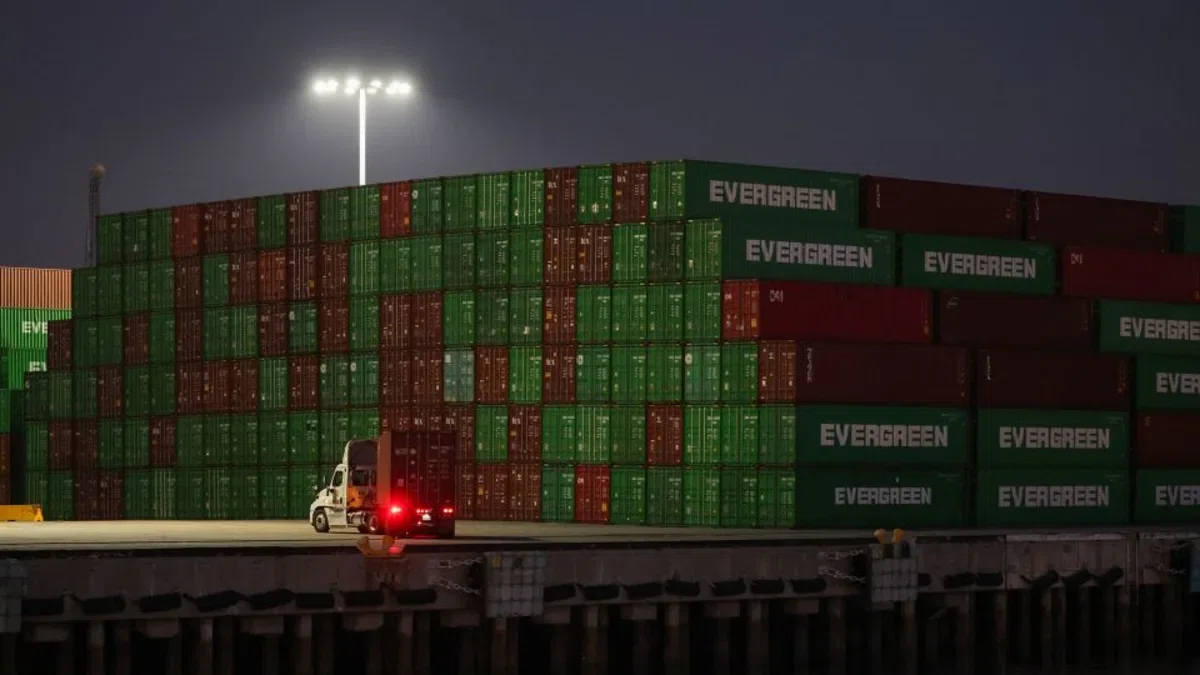
Democrats won significant victories in the midterm elections, flipping seats in historically Republican states where voters were impacted by President Trump's tariffs. These victories included agriculture-heavy states such as Iowa and Kansas, and northern border states including Maine and Michigan.
Republican lawmakers largely avoided challenging the president's trade agenda due to fears of political fallout, despite polls showing American disdain for the tariffs. Republican strategist Brian Darling said many Republicans were whistling by the political graveyard by ignoring the issue, but it has now come front and center.
A September study by New York Federal Reserve economists found that about 26% of tariff increases are ultimately passed on to consumers. Nationally, two-thirds of voters said the tariffs hurt the national economy, and nearly the same share said they hurt the local economy.
Democrats intend to make rolling back the tariffs a top priority when the new Congress convenes at the start of 2027. However, even if Republicans oppose the tariffs, they face the obstacle of a presidential veto. To override a veto, lawmakers would need two-thirds majorities in both the House and Senate.
As of Thursday afternoon, Democrats hold 55 of the 100 Senate seats and 255 of the 435 House seats, with one Senate race and 12 House races still uncalled. To override a veto, they would still need at least 12 Republicans in the Senate and 35 in the House.
Key facts
- Democrats flipped seats in states like Iowa, Kansas, Maine, and Michigan.
- Two-thirds of voters said Trump's tariffs hurt the national economy.
- A September study found 26% of tariff increases are passed to consumers.
Three perspectives
Neutral
Democrats won seats in several Republican-leaning states during the midterm elections, while the White House maintains its commitment to the administration's tariff agenda.
Positive
Trump has previously shown willingness to rein in certain tariffs, such as exempting plywood and packaging materials from duties on Canadian goods.
Negative
Tariffs have pushed up the cost of both imported and domestic products, with many voters stating they hurt the national and local economies.
Your week in news, every Wednesday
The biggest stories of the week for your edition, in your inbox every Wednesday morning, your time. Free, and you can unsubscribe at any time.