

 New Zealand
 election could reshape relations with Israel and Palestine
The upcoming election on November 7 could bring significant changes to New Zealand's approach to Palestinian statehood and economic sanctions against Israel.
 Politics Desk 2 min read
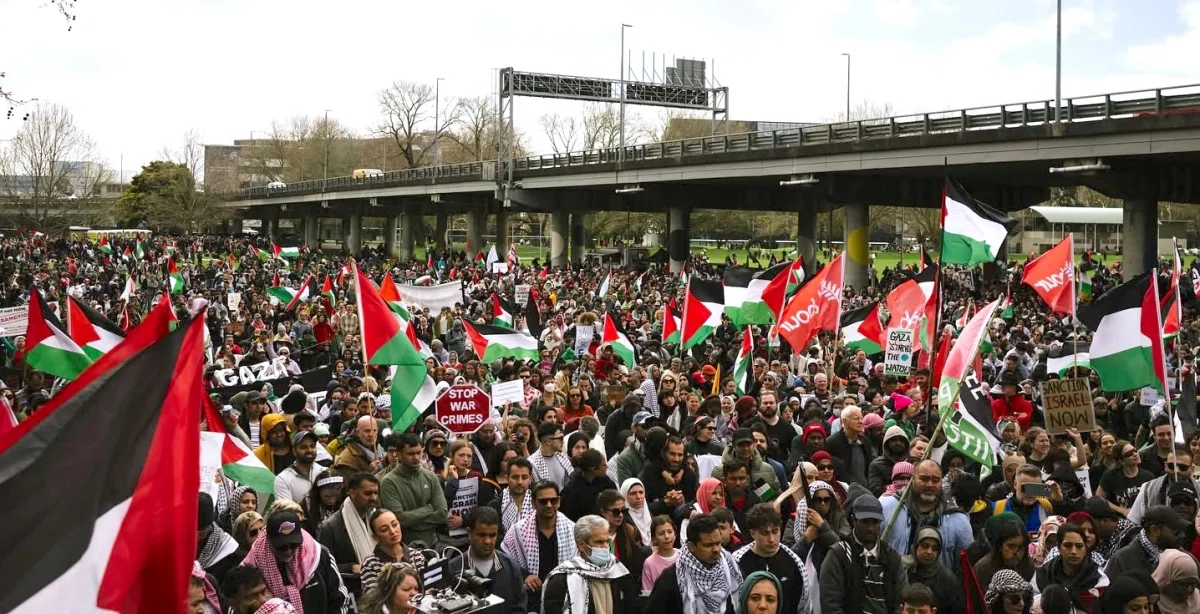
New Zealanders will head to the polls this Saturday, November 7, in an election that could bring significant changes to the country's approach to Israel, Palestinian statehood and international security. While domestic issues like the economy, healthcare and the cost of living remain central to the campaign, foreign policy has emerged as an area of significant disagreement.
The opposition Labour Party has promised to recognise Palestinian statehood, impose economic sanctions against Israel and intervene in genocide proceedings before the International Court of Justice. Labour's 2026 foreign affairs policy also commits the party to requiring the New Zealand Superannuation Fund and Accident Compensation Corporation to divest from companies appearing on a United Nations database associated with activities in occupied Palestinian territories.
The governing National–ACT–New Zealand First coalition is seeking another term in a closely contested political environment. Juliet Moses, president of the New Zealand Jewish Council, said it is unlikely there will be any radical changes if the current government remains, as she expects ongoing recognition of the community's security needs and rising antisemitism.
Moses noted that while the community would expect support to continue under an alternative government, Labour has indicated it would make significant policy changes regarding Israel as a matter of priority. The Jewish community faces immediate questions regarding how the next government will manage relations with Israel and whether diplomatic decisions will affect Jewish and Israeli New Zealanders.
Debate about Israel and Palestine has increasingly extended into universities, local government, cultural events and public demonstrations in New Zealand. Jewish community organisations have raised concerns about rhetoric they regard as threatening or antisemitic, while pro-Palestinian campaigners have defended their activities as legitimate protest against Israeli government policy.
Key facts
- The New Zealand election is scheduled for Saturday, November 7.
- Labour has pledged to recognise the State of Palestine and impose economic sanctions on Israel.
- The New Zealand Jewish Council expects continued recognition of its security needs regardless of the election outcome.
Three perspectives
Neutral
The election involves a contest between the governing National–ACT–New Zealand First coalition and the Labour Party, with foreign policy emerging as a major point of disagreement.
Positive
Juliet Moses of the New Zealand Jewish Council expects the government to maintain recognition of the community's security needs and rising antisemitism regardless of the election outcome.
Negative
Labour's proposed foreign policy includes imposing broad-based sanctions on Israel and joining the ICJ case against it.
Your week in news, every Wednesday
The biggest stories of the week for your edition, in your inbox every Wednesday morning, your time. Free, and you can unsubscribe at any time.