

 South Africa
NASA seeks commercial help to rescue Hubble Space Telescope from fiery re-entry
The space agency has issued a request for information to boost the telescope's altitude or guide its descent before it crashes in 2033 or 2034.
 Space Desk 2 min read
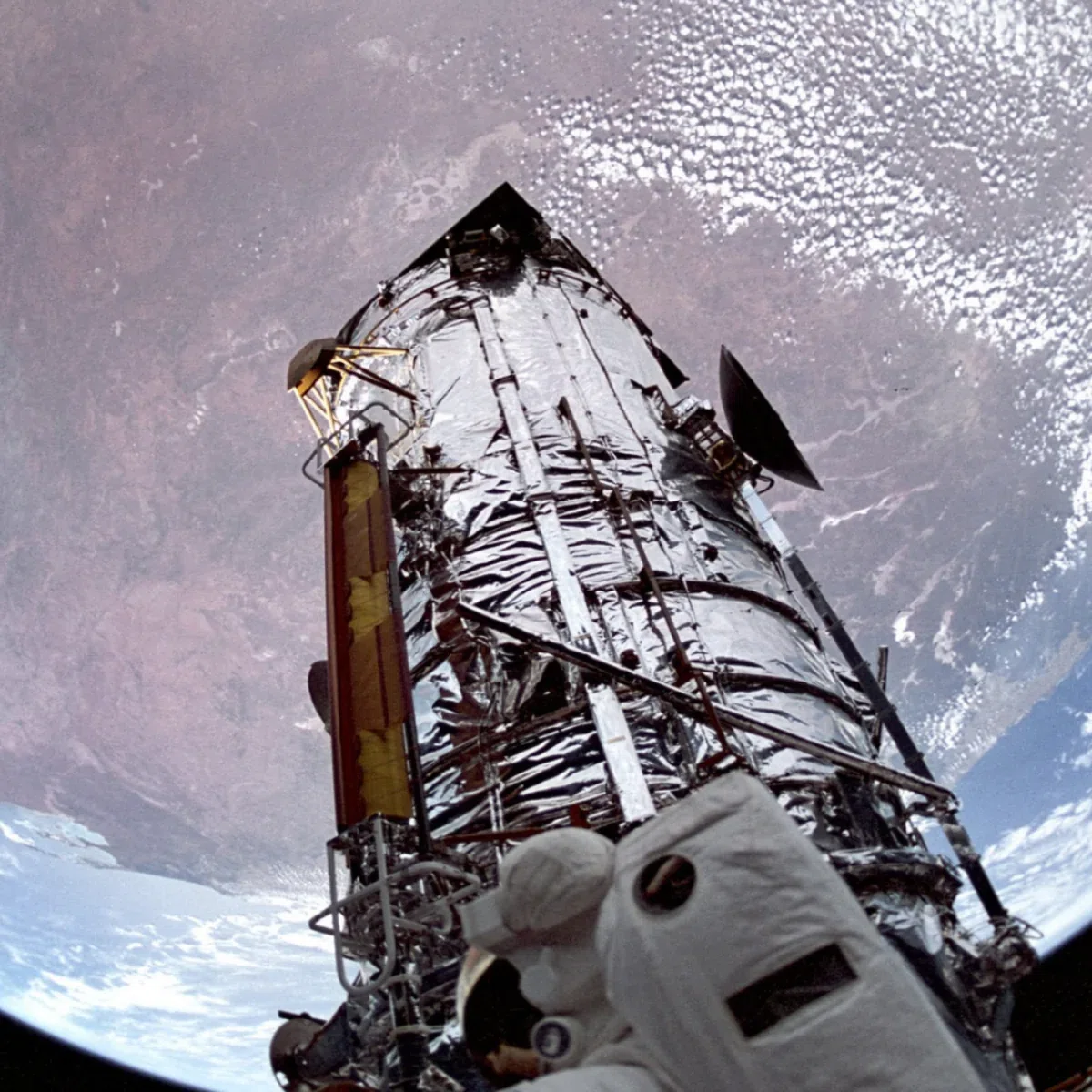
NASA has issued a Request for Information to the commercial space sector to find ways to rescue the Hubble Space Telescope. The agency is looking for ideas to reboost the telescope, service it, or manage a controlled disposal. Responses are due November 30.
The telescope is on a path towards re-entry into Earth's atmosphere, which orbital dynamicists predict could happen in 2033 or 2034. A successful reboost would require an ascent of more than 370 miles (600 kilometres). Such a boost could keep Hubble in orbit for at least 25 more years.
NASA administrator Jared Isaacman said the agency has a duty to the scientific community and the American taxpayer to explore all ways to extend Hubble's life. Nicky Fox, an associate administrator of the Science Mission Directorate, said the commercial industry has rapidly evolved to offer new capabilities for in-space satellite capture and servicing. The agency is eager to explore possibilities to boost Hubble while developing its next flagship mission.
The agency is not committing to buying a rescue mission but wants to know which companies could realistically reach Hubble before it falls out of orbit. A contractor would be responsible for the launch vehicle, servicing spacecraft, mission operations, and crew if applicable.
The telescope lacks onboard propulsion and took 24 years to glide from its 2002 altitude of 362 miles (583 km) to its current orbit of approximately 292 miles (470 km).
The satellite servicing industry is maturing, with companies like Northrop Grumman launching a robotic servicing satellite earlier this year. Smaller startups such as Astroscale and Starfish Space also hold contracts for servicing and refueling demonstrations with NASA and the US Space Force.
Key facts
- Hubble is expected to re-enter Earth's atmosphere in 2033 or 2034.
- NASA requires a reboost mission to occur by 2032.
- A successful reboost requires an altitude increase of at least 373 miles (600 km).
Three perspectives
Neutral
NASA is seeking information from the commercial space sector regarding the potential to reboost, service, or safely dispose of the Hubble Space Telescope.
Positive
A successful orbital boost could extend the lifespan of the telescope for at least 25 more years.
Negative
At its current rate of altitude loss, the telescope is expected to re-enter the atmosphere in 2033 or 2034, potentially endangering human life.
Your week in news, every Wednesday
The biggest stories of the week for your edition, in your inbox every Wednesday morning, your time. Free, and you can unsubscribe at any time.