Global
Space
Astronomers capture a star merging with its giant companion in Andromeda
The seven-year infall of a smaller star into a red giant, dubbed AT 2025abao, was followed in full, with the eruption in late 2025.
 Space
The seven-year infall of a smaller star into a red giant, dubbed AT 2025abao, was followed in full, with the eruption in late 2025.
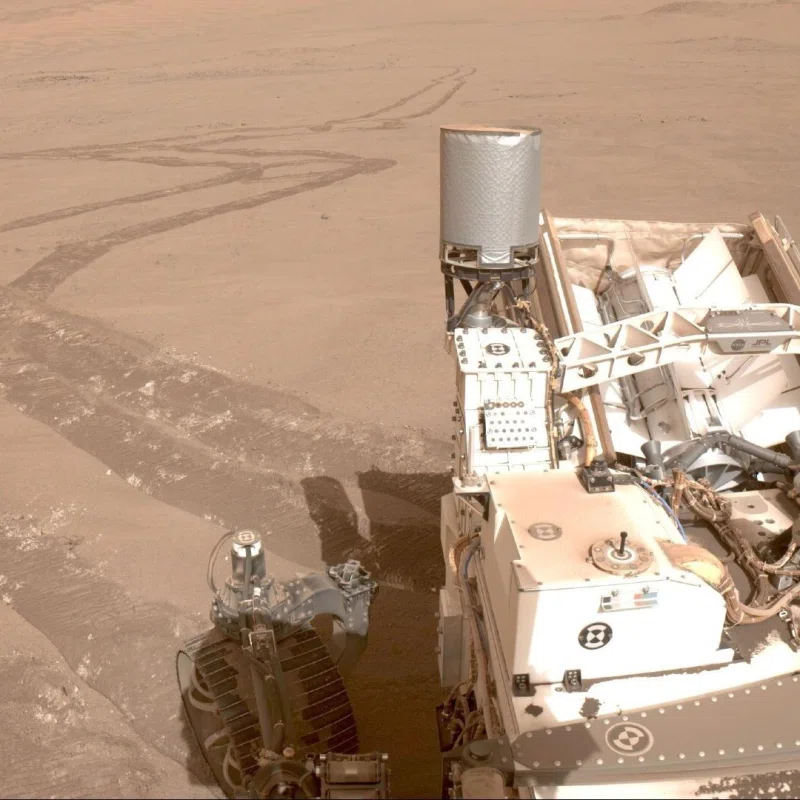
The rover's primary radio stopped sending heartbeat signals on Oct. 30, while Odyssey has a stopped reaction wheel.
The white dwarf's radio pulses arrive every 7.9 minutes, and it is the first such object found with a Sun-like companion.
Physicists at UBC and the University of Sheffield say quantum chromodynamics could account for dark energy without new particles.
The unpiloted Dragon is due to splash down off California on Saturday, Nov. 21, after a weather stand-down earlier in the week.
After an eight-year journey covering almost six billion miles, the BepiColombo spacecraft is about to reach Mercury and enter orbit around it.
NASA's Voyager 1 is now one light-day, about 16.1 billion miles, from Earth, and its signal took 24 hours to arrive.
The method found the pulsar PSR J1622−7204 using about 10 hours of computing on a standard processor.
Researchers at Oregon State University say potatoes can complete their life cycle in simulated lunar regolith when supplemented with vermicompost.
Researchers say the rare event, observed in a binary system 2.5 million light-years away, is the first recorded case of a dying star merging with its companion.
 China
The Shenzhou XXIII crew recovered nanozymes, actinomycetes and plant seeds following exposure to radiation and extreme temperatures outside the space station.
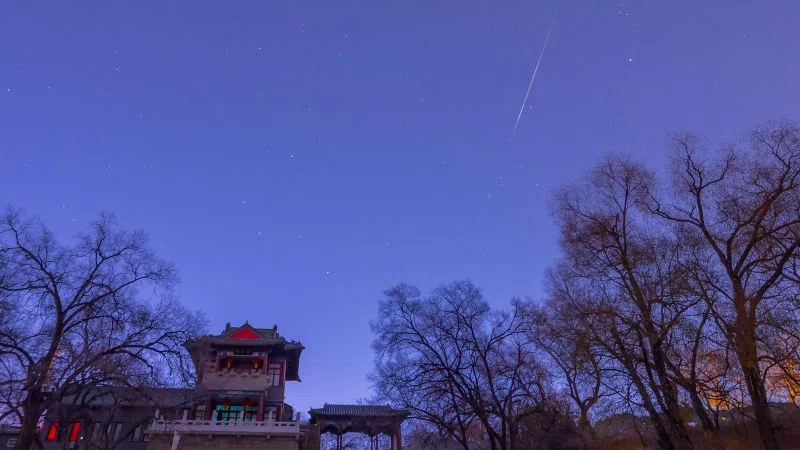
The fast-moving Leonid meteor shower is expected to reach its peak between Tuesday and Wednesday, offering up to 15 meteors per hour under ideal conditions.
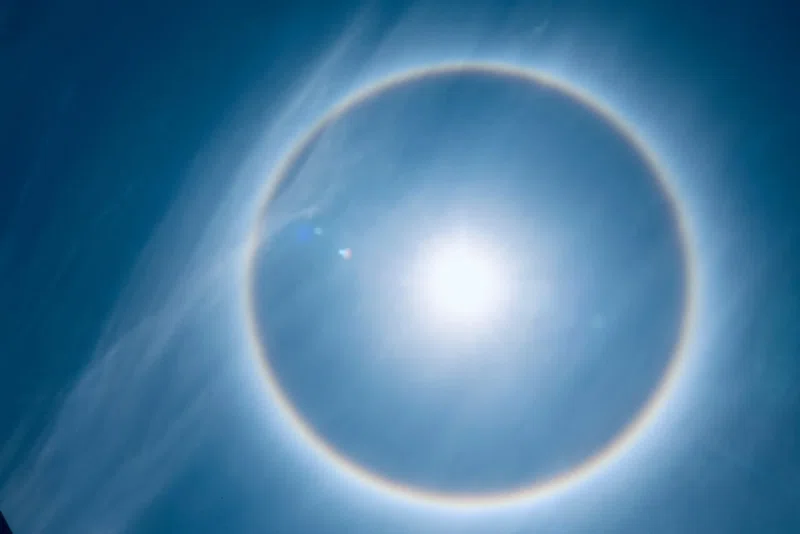
A 22-degree solar halo appeared across parts of South Africa on Monday, caused by light refracting through high-altitude ice crystals.
The DR1-Foundation release includes data on 900 million galaxies to help map the universe and study dark matter.
Astrophysicist Avi Loeb argues that the accelerating object 1998 KY26 is not an asteroid, but potentially the Soviet Phobos 1 spacecraft.
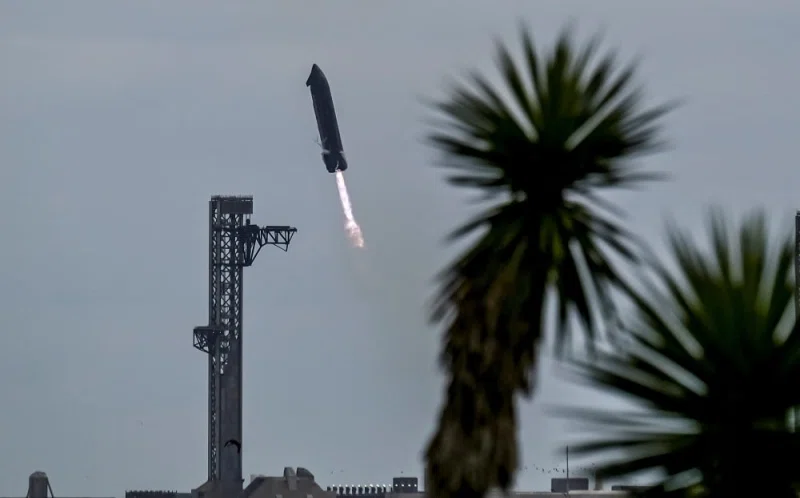
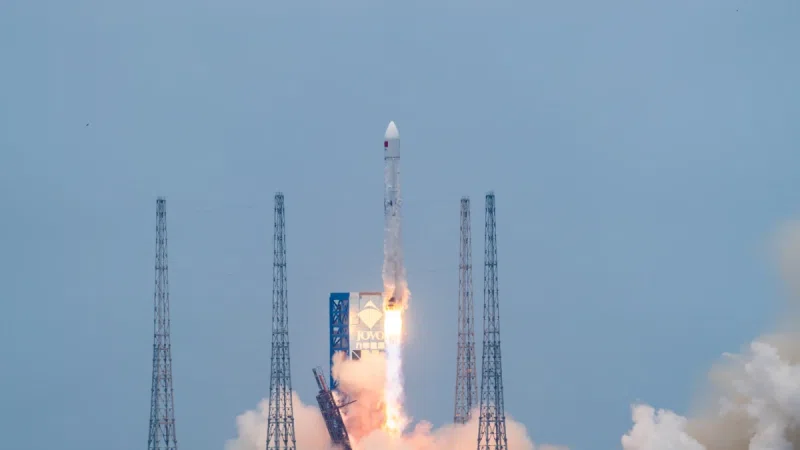
The 52m spacecraft returned from a 22.5-hour orbit to be caught by the Mechazilla tower arms, marking a milestone in the push for fully reusable rockets.
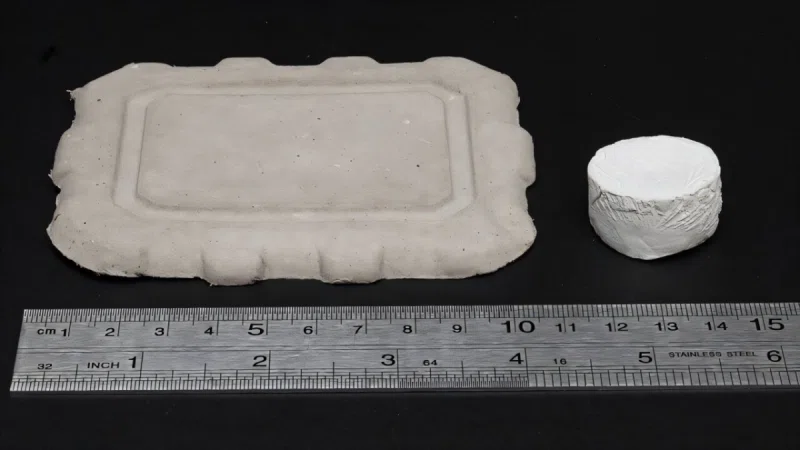
Purdue University scientists are creating ultralight aerogels using cellulose and lunar regolith simulant to protect habitats from extreme temperature swings.
The spacecraft has sent back first close-up images of Didymos to assess the effects of a 2022 impact.
 United States
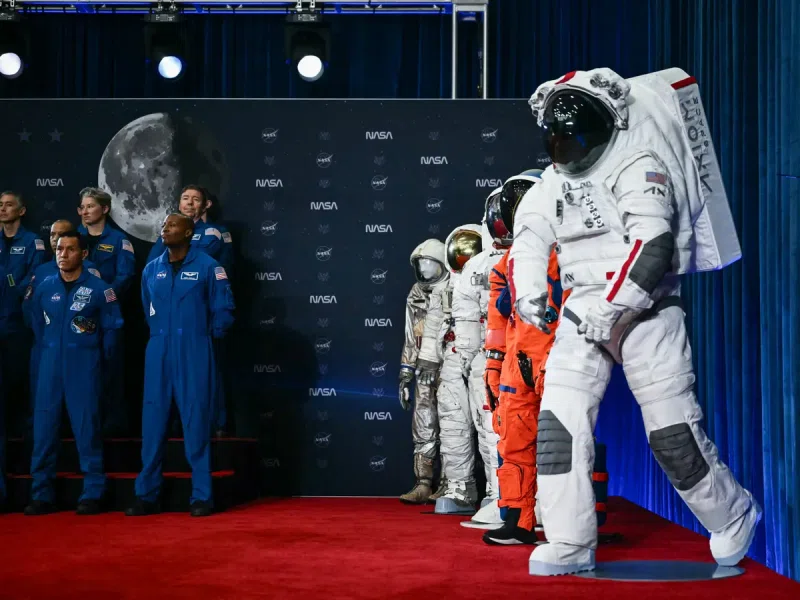
New candidates could participate in missions to the Moon and Mars as the agency seeks to establish a human presence on the lunar surface.
China plans to use robotic rehearsals for its first human moon landing by 2030, while NASA intends to use crewed test flights to prove its hardware works.
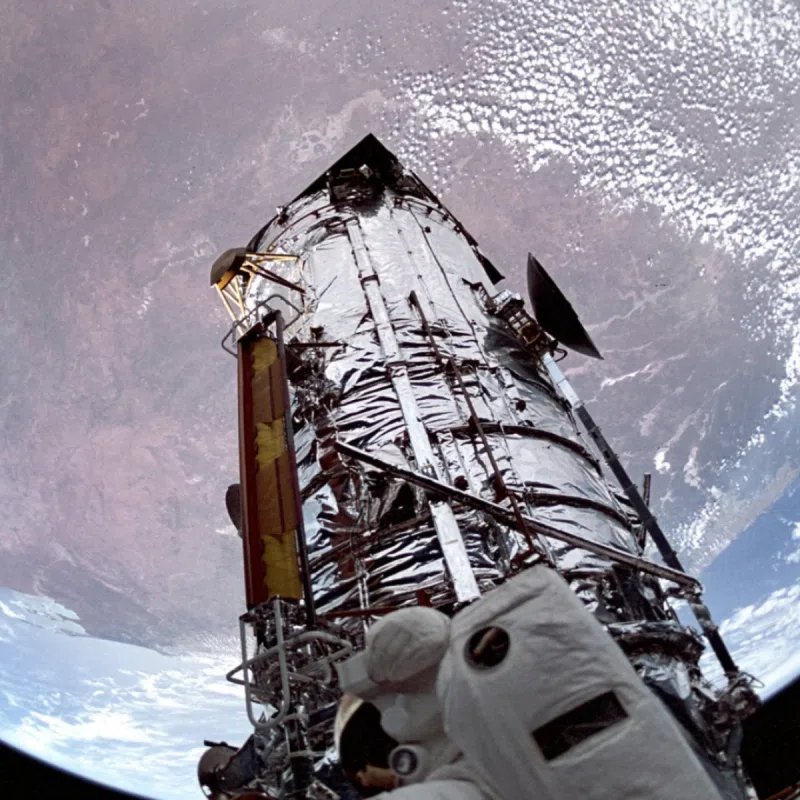
The space agency has issued a request for information to boost the telescope's altitude or guide its descent before it crashes in 2033 or 2034.
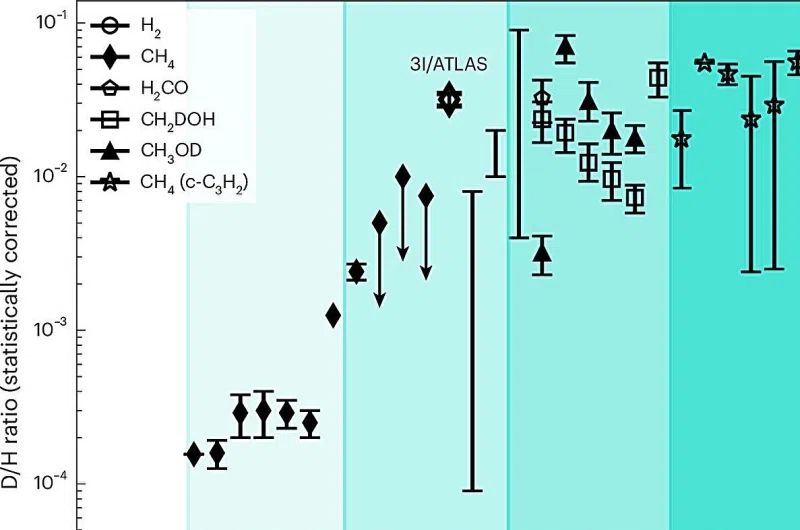
Methane in the comet 3I/ATLAS has a deuterium-to-hydrogen ratio about 13 times higher than a solar system comet.
The retirement of the International Space Station and limited launch availability create challenges for new space companies relying on cheap access to orbit.
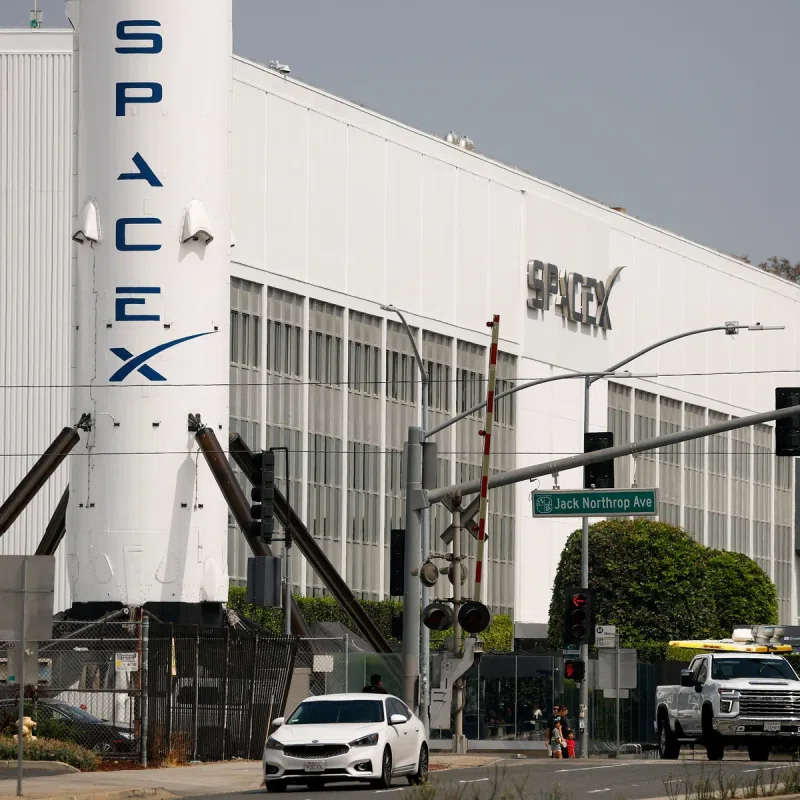
The contract gives Musk's company access to military tracking data, raising concerns about monopoly control over space traffic coordination.
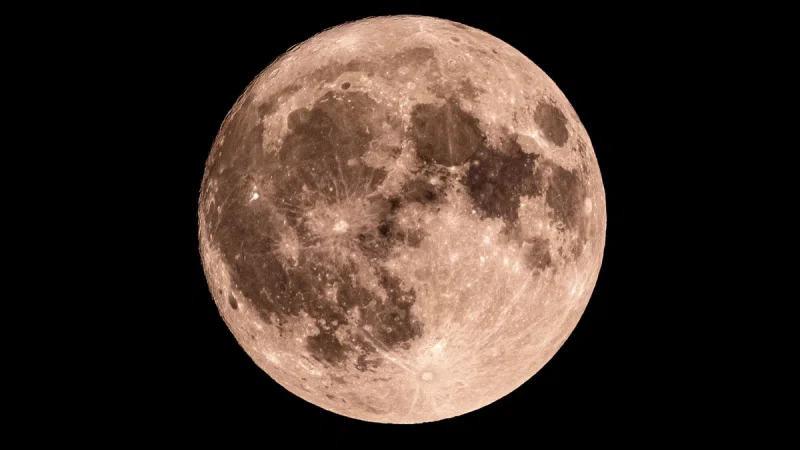
The Moon is currently in a waxing gibbous phase with 99% of its surface visible.
The star's atmosphere contains calcium, sodium and lithium, which may have come from a former planetary system.
 Japan
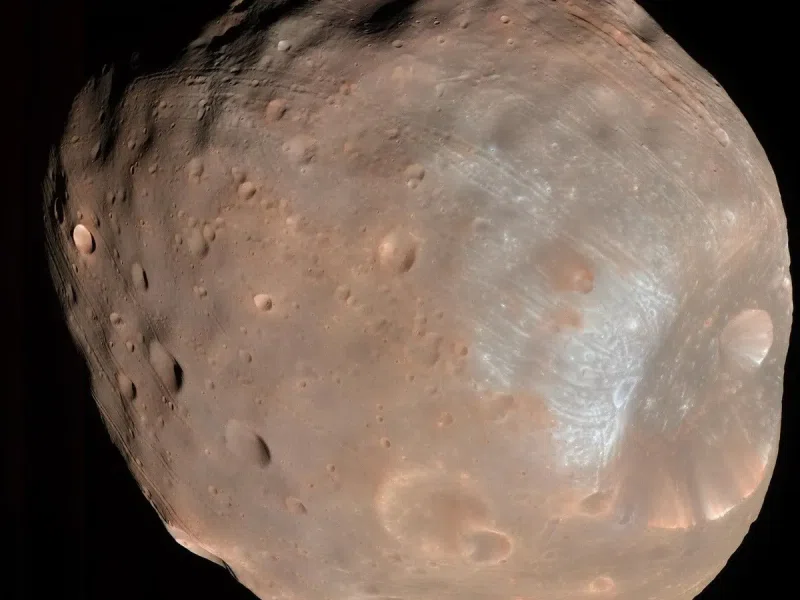
The Jaxa-led Martian Moons eXploration mission aims to return soil samples to Earth by 2031.
The galaxy is 10 billion light-years away. Astronomers used MeerKAT and the James Webb telescope to pinpoint the origin of a fast radio burst.
Four astronauts have returned to Earth after an 8-month mission on the International Space Station. The NASA SpaceX Crew-12 Dragon splashed down at 11:34 a.m. EDT.