 South Africa
China and NASA reveal different philosophies in lunar race
China plans to use robotic rehearsals for its first human moon landing by 2030, while NASA intends to use crewed test flights to prove its hardware works.
 Space Desk 2 min read
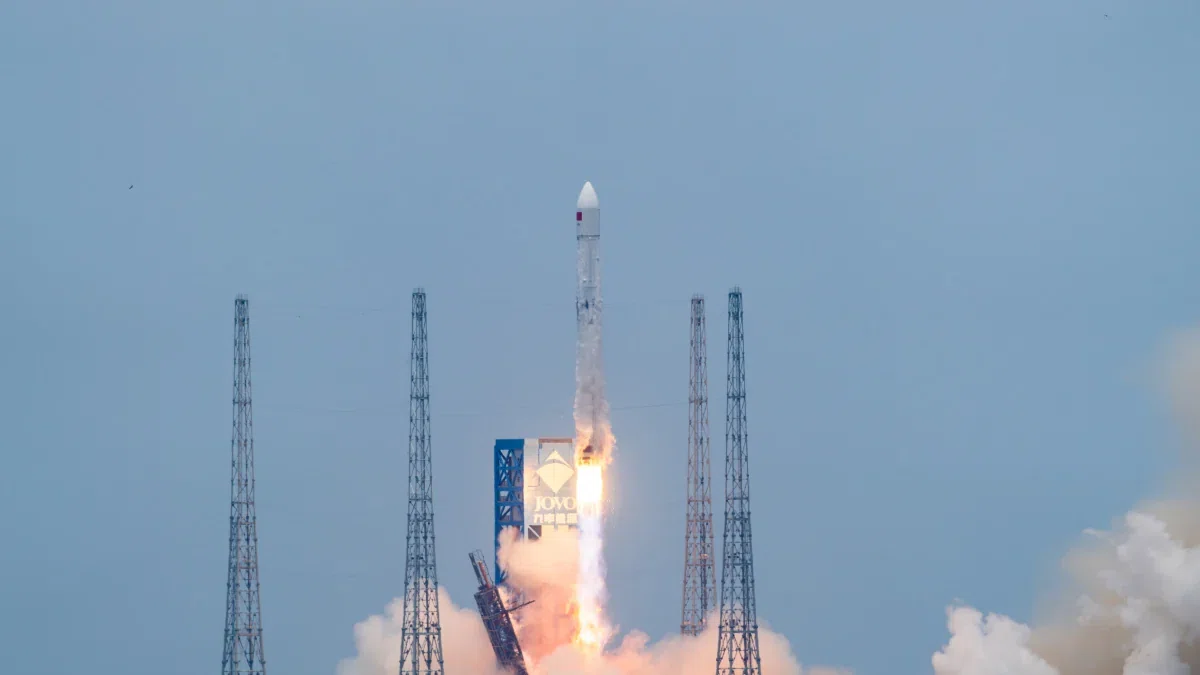
China plans to land people on the moon by 2030 using a strategy that relies on robotic rehearsals instead of crewed lunar test flights. The Chinese approach involves a crew flying the Mengzhou capsule to Earth orbit in 2027, followed by uncrewed missions where the Lanyue lander touches down on its own in 2028 and rehearses the full landing sequence in 2029.
Wang Xiang, chief designer of the Chinese lunar exploration program, said the program will try to fly missions in an unmanned state first for any crewed mission. This military-run program trusts machines to prove its lunar hardware works.
NASA's civilian program aims to land astronauts first in 2028 by leveraging human test pilots. NASA Administrator Jared Isaacman said the agency is using a playbook that involves putting crews on key test flights and building on each mission. Artemis II sent four astronauts around the moon in April, and next year, a four-person Artemis III crew will practice docking maneuvers in Earth orbit with test versions of commercial landers from Blue Origin and SpaceX.
While China is building a single lander, NASA will keep both Blue Origin and SpaceX landers in the running as long as possible before picking one for its first crew. SpaceX aims to land an uncrewed Starship on the moon by the end of 2027, and Blue Origin is working on its own uncrewed demonstration after Artemis III.
NASA's own deadlines have slipped, with Artemis III running about three months behind schedule. Isaacman acknowledged that urgency has limits, stating that no amount of enthusiasm or schedule pressure changes the laws of physics.
Key facts
- China aims to land humans on the moon by 2030 using uncrewed rehearsals.
- NASA plans to land astronauts in 2028 using crewed test flights.
- The Artemis III mission is running approximately three months behind schedule.
Three perspectives
Neutral
China and NASA are pursuing different institutional cultures and technical approaches to reach the moon.
Positive
NASA is leveraging human test pilots and commercial landers from Blue Origin and SpaceX to advance its lunar goals.
Negative
NASA's Artemis III mission is currently running about three months behind its intended schedule.
Your week in news, every Wednesday
The biggest stories of the week for your edition, in your inbox every Wednesday morning, your time. Free, and you can unsubscribe at any time.