 United Kingdom
Daily pill makes cancer undetectable in one in 12 pancreatic cancer patients
A trial of the KRAS inhibitor daraxonrasib showed tumours stopped growing in almost all participants and significantly improved survival rates compared to chemotherapy alone.
 Health Desk 2 min read
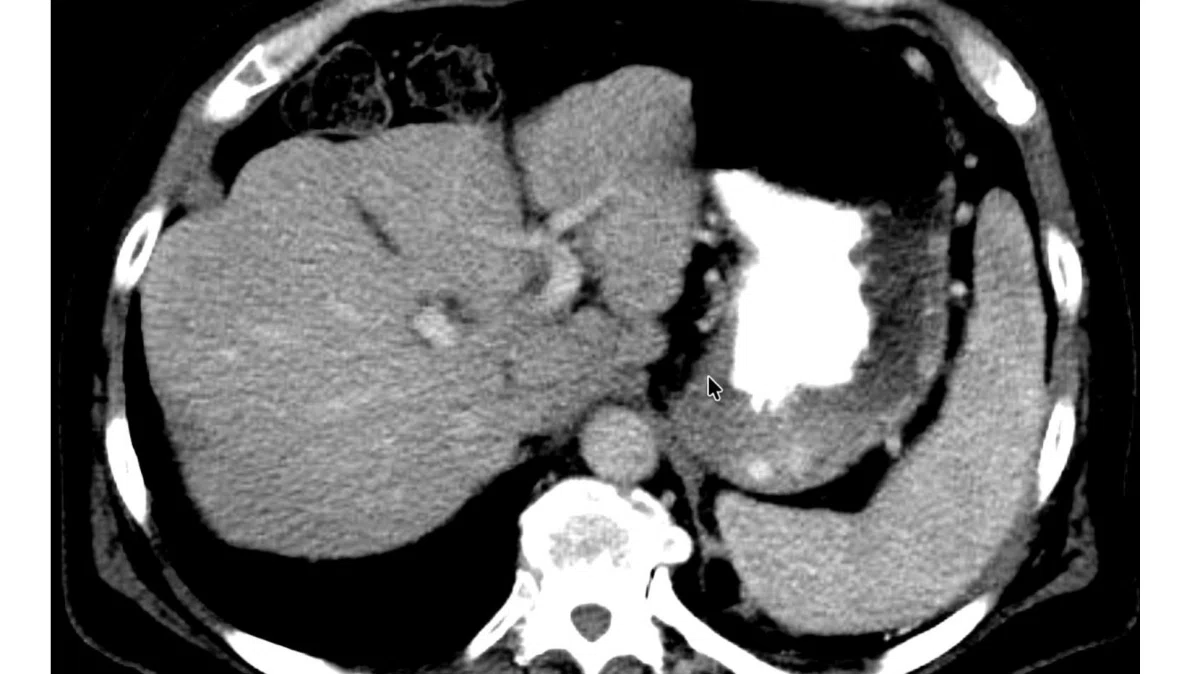
A daily pill has shown the potential to shrink or eliminate tumours in patients with advanced pancreatic cancer. In a trial involving 61 participants with cancer that had spread to other parts of the body, tumours stopped growing in almost all patients. For approximately 8% of patients, or one in 12, the cancer became undetectable on CT scans.
The treatment, a KRAS inhibitor called daraxonrasib, was administered alongside chemotherapy. It works by locking onto and shutting off specific mutations, such as RAS, which drive tumour growth in most pancreatic cancers. During the trial, just over 60% of patients saw their tumours shrink or disappear.
Survival rates were notably higher for those receiving the combined treatment.
Dr Wungki Park, a gastrointestinal medical oncologist at Memorial Sloan Kettering Cancer Center, presented the findings at a symposium in Barcelona. He stated that he had never seen so many tumours disappear in patients with metastatic cancer and described the results as the closest to a cure.
Michelle Mitchell, chief executive of Cancer Research UK, called the results the biggest leap forward in decades for patients facing this disease. Pancreatic cancer is one of the deadliest common cancers in the UK, with approximately 11,500 diagnoses and 10,200 deaths each year.
More trials are required before the treatment can be assessed for use on the NHS. Researchers hope the drug could eventually be used to treat other cancers, such as lung or ovarian cancer, that carry similar KRAS gene mutations.
Key facts
- Cancer became undetectable on scans for one in 12 patients in the daraxonrasib trial.
- Tumours stopped growing in 90% of the 61 trial participants.
- The survival rate one year after starting treatment was 76.6%.
Three perspectives
Neutral
The trial showed that daraxonrasib combined with chemotherapy can stop tumour growth and improve survival in patients with advanced pancreatic cancer.
Positive
Experts described the results as the biggest leap forward in decades for pancreatic cancer patients.
Negative
Pancreatic cancer remains a highly deadly disease with very low survival rates.
Your week in news, every Wednesday
The biggest stories of the week for your edition, in your inbox every Wednesday morning, your time. Free, and you can unsubscribe at any time.