Indonesian Fires Linked to 20 Agricultural Companies
Greenpeace identifies companies with links to Malaysia and Singapore, whose land concessions contained sources of smoke from fires that have ravaged Indonesia in recent months. The environmental group worked with Indonesian NGO Pantau Gambut to detect 6,811 smoke-source points across Kalimantan, Papua, Sumatra, Sulawesi and Maluku.
 Global Newsflix 2 min read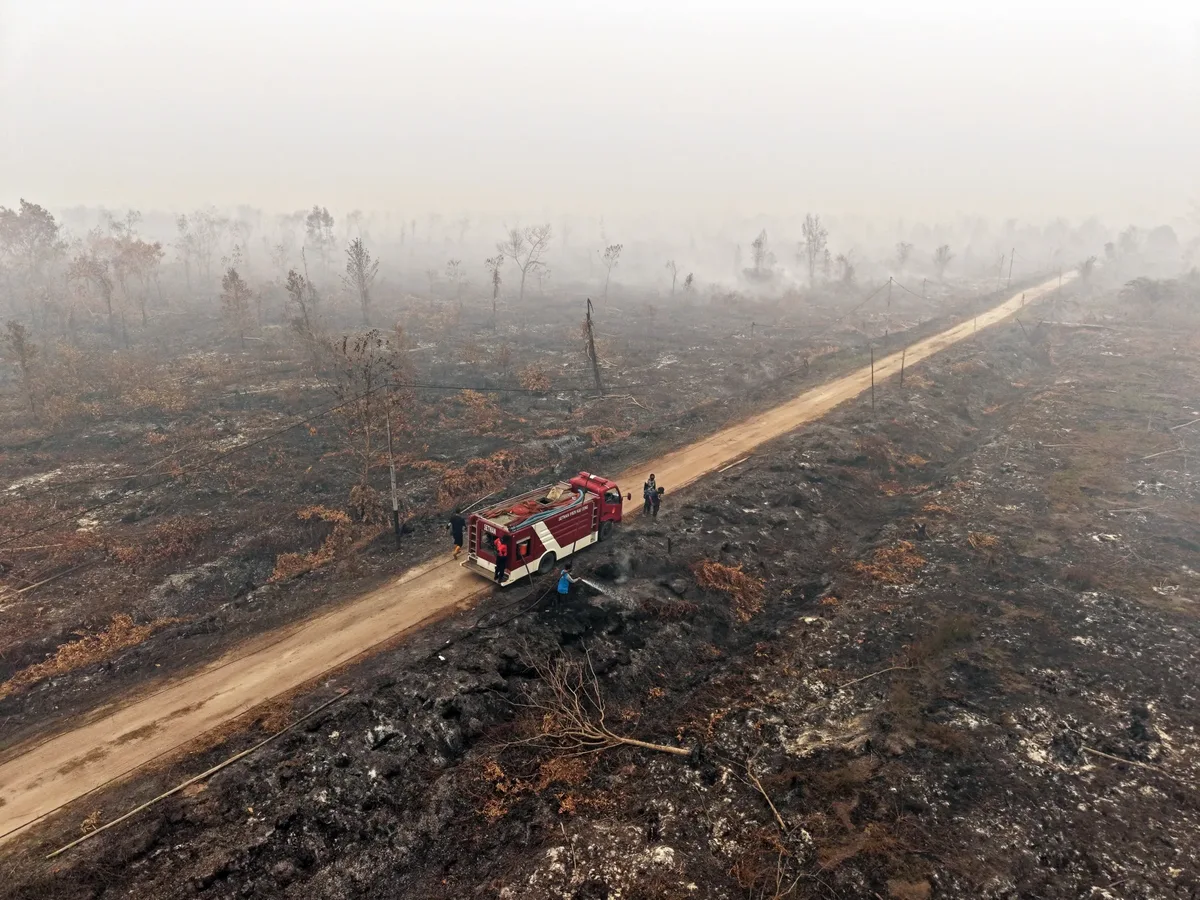
Greenpeace has identified more than 20 palm, pulp and sugar companies, including several with links to Malaysia and Singapore, whose land concessions contained sources of smoke from fires that have ravaged Indonesia in recent months.
The environmental group worked with Indonesian NGO Pantau Gambut to detect 6,811 smoke-source points from Aug. 1 through Oct. 1 across Kalimantan, Papua, Sumatra, Sulawesi and Maluku.
Oh Ei Sun from Pacific Research Center of Malaysia said the haze is a recurring regional risk that can be forecast, prepared for and diplomatically managed.
Malaysian company Kuala Lumpur Kepong Group was identified as one of several Top 20 entities connected to the 2026 findings on fires in Indonesia, based on the haze sources dataset from Aug to 1 October 2026.
At least four concessions have been identified as having corporate links to Singaporean business groups, and all of them show the presence of haze source points.
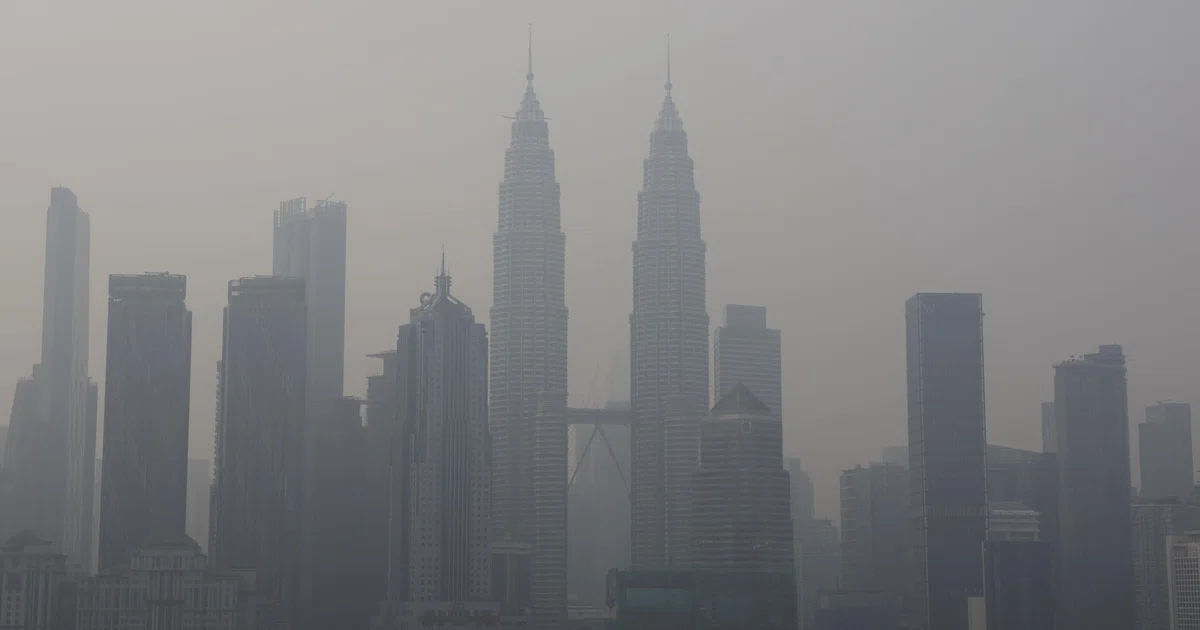
The Batu Pahat disaster management committee has ordered the temporary closure of all schools, kindergartens, and nurseries in the district due to worsening haze conditions.
The air pollutant index reading in the district reached 203 at 8pm, indicating a very unhealthy level.
Key facts
- More than 20 palm, pulp and sugar companies linked to Indonesian fires
- 6,811 smoke-source points detected across Kalimantan, Papua, Sumatra, Sulawesi and Maluku
- Malaysian and Singaporean companies among those linked to fires
- Batu Pahat schools closed due to worsening haze conditions
Three perspectives
Neutral
The situation in Indonesia and neighboring countries is being closely monitored, with authorities taking measures to mitigate the effects of the haze. The identification of companies linked to the fires may lead to increased pressure on them to take action.
Positive
The work of Greenpeace and Pantau Gambut in identifying the sources of the haze may help to bring about positive change, with companies and governments taking steps to prevent similar disasters in the future.
Negative
The ongoing haze crisis has severe consequences for the health and well-being of people in the region, with thousands of premature deaths and hospitalizations attributed to the pollution.
Your week in news, every Wednesday
The biggest stories of the week for your edition, in your inbox every Wednesday morning, your time. Free, and you can unsubscribe at any time.