 Australia
Treasury targets green energy subsidies in midyear budget pressure
The Albanese government faces pressure to cut electric vehicle subsidies and a home battery rebate program as Treasury officials face cost blowouts.
 Politics Desk 2 min read
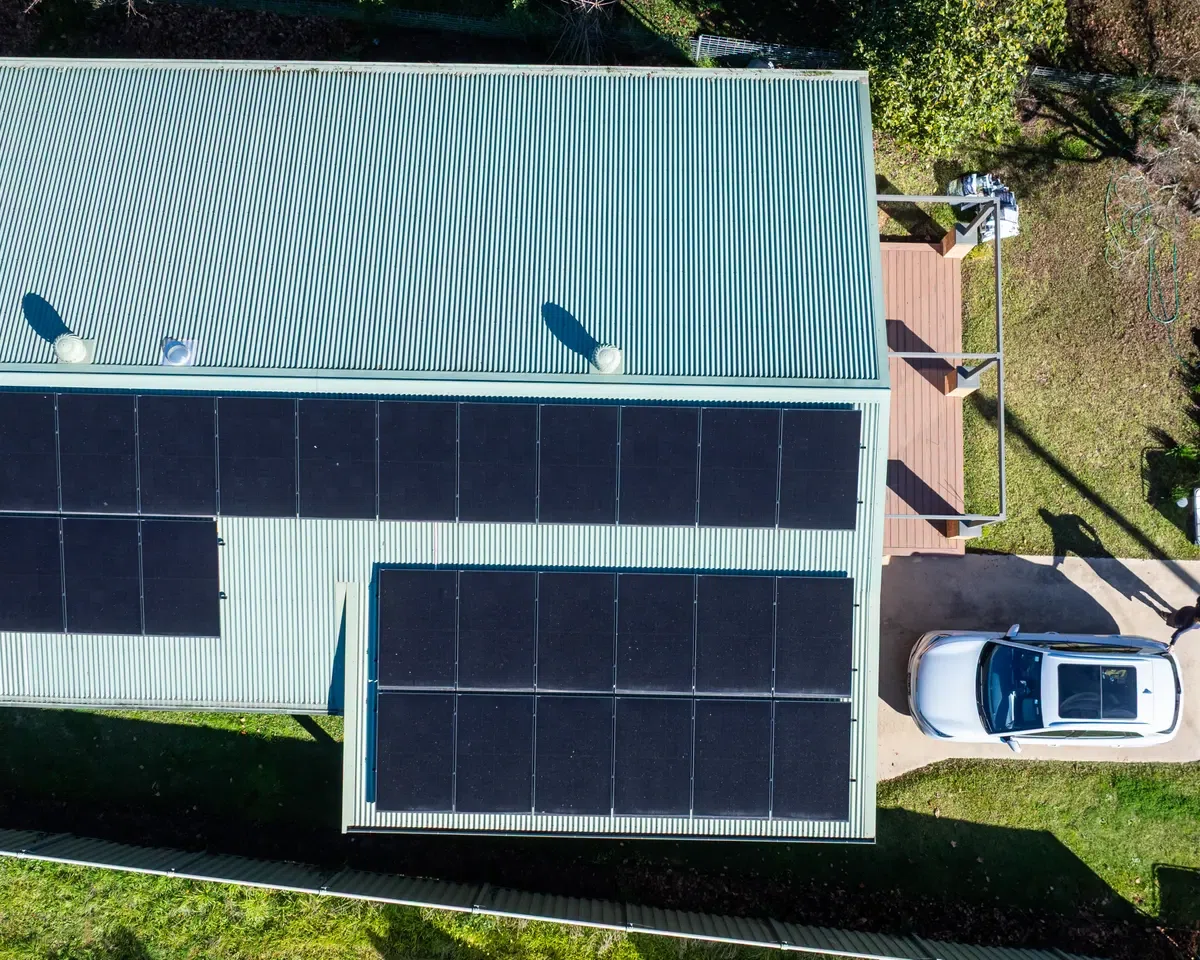
Treasury is considering cuts to electric vehicle subsidies and a cheaper home batteries program in the government's midyear budget update. The home battery scheme, which has offered a 30% taxpayer-backed rebate to households and businesses since July last year, is receiving significant focus.
The battery program has seen costs rise toward $14bn, far exceeding original Treasury estimates of $2.3bn for one million new batteries by 2030. Officials failed to predict the high demand, and the original design encouraged the purchase of larger, more expensive batteries.
Economics professor Stephen Bartos said green subsidies should not be the first port of call for closing the budget deficit because they are small compared to big-ticket items like health, NDIS, and defence. He noted that while he is critical of tax breaks for electric vehicles, the case for public support for batteries is stronger because price signals for battery adoption are weaker.
The National Disability Insurance Scheme is expected to cost nearly $54bn in 2025–26, making its cost control an existential question for fiscal plans. Additionally, the federal fuel tax credit scheme, which mainly assists major global mining companies, costs about $11bn a year and is rising fast.
Alison Reeve, director of the energy and climate change program at the Grattan Institute, said batteries will be a big part of the energy future and the industry needs stimulation until it can stand on its own. She noted that evidence for claims that the scheme is middle-class welfare is thin, as batteries are being installed in regional areas and outer suburbs like western Sydney rather than in wealthy enclaves.
Key facts
- The home battery rebate program's expected cost has blown out toward $14bn.
- The NDIS is expected to cost nearly $54bn in 2025–26.
- The federal fuel tax credit scheme costs approximately $11bn a year.
Three perspectives
Neutral
The Albanese government is under pressure to cut green energy subsidies for households in its midyear budget update.
Positive
The home battery scheme has seen high demand, with the program offering a 30% taxpayer-backed rebate to households and businesses.
Negative
Treasury officials failed to predict that the home battery program would cost as much as $14bn, leading to cost blowouts.
Your week in news, every Wednesday
The biggest stories of the week for your edition, in your inbox every Wednesday morning, your time. Free, and you can unsubscribe at any time.