 New Zealand
 election leaves centre-right bloc with razor-thin lead
Preliminary results show National, ACT, and New Zealand First holding 67 of 131 seats as nearly 400,000 votes remain uncounted.
 Politics Desk 3 min read
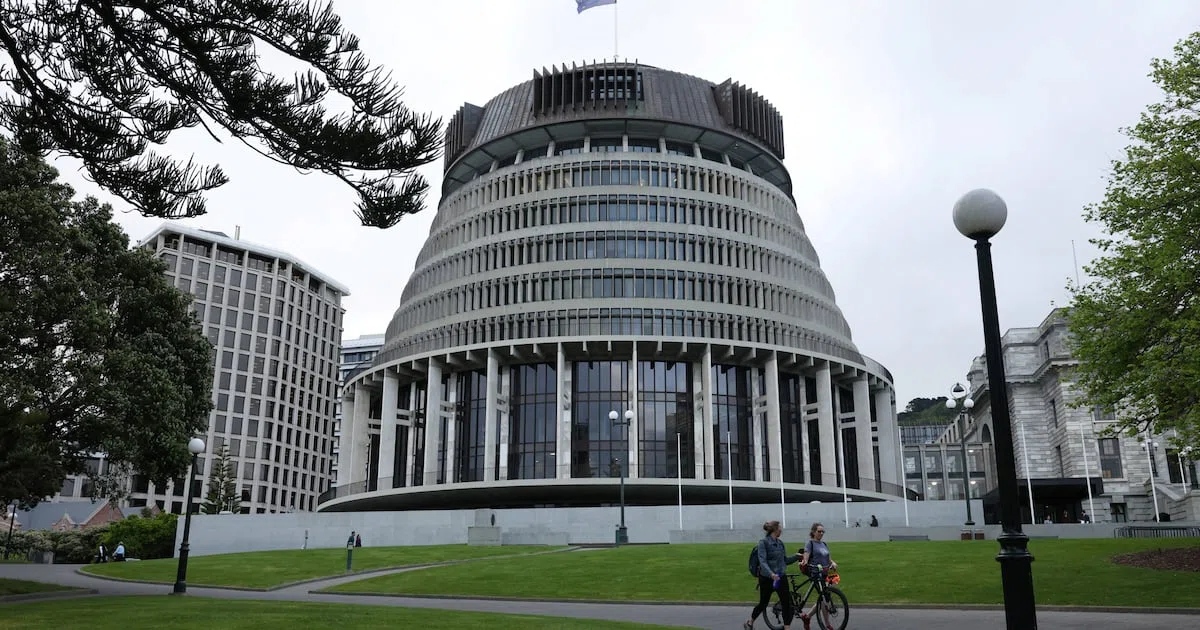
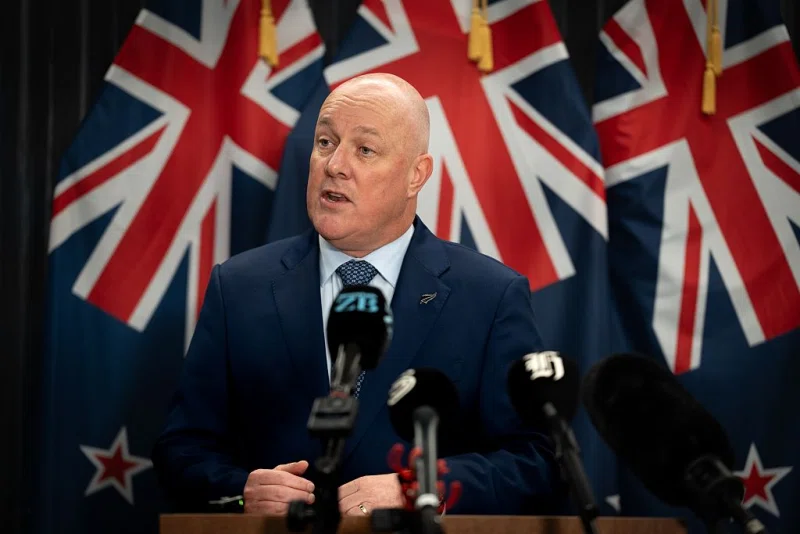
Preliminary election results have given Prime Minister Christopher Luxon’s National Party, ACT New Zealand, and New Zealand First 67 seats in a 131-seat parliament. This total is one more than the 66 seats required for a majority. However, almost 400,000 votes, representing about 14% of the total, have yet to be counted. Official results are not due until November 27.
Labour leader Chris Hipkins and Luxon said they would wait for final results before entering formal coalition negotiations. Labour narrowly led National in the popular vote, but National secured enough electorate seats to keep its three-party bloc marginally ahead. Hipkins, who has not conceded the election, said on Monday that he remains optimistic the final vote count could favour the left.
The tight result has created uncertainty for incoming legislators, including seven members from the centrist Opportunity Party, which crossed the 5% threshold to enter parliament for the first time. Opportunity leader Qiulae Wong said her caucus is meeting in Wellington to begin preparing for parliament. Wong told a press conference she had received calls from Hipkins and Green Party co-leader Chloe Swarbrick but had not heard from Luxon. She said she believed Luxon said he was going to call shortly.
Investors are watching the political uncertainty closely due to pressure on the New Zealand dollar and questions about fiscal policy direction. Westpac Bank chief economist Kelly Eckhold said markets would be on edge over the next few weeks as the country works out the result. Eckhold said the likelihood is that the country will end up with some sort of centre-right government, but the question is whether it will require the support of the Opportunity Party.
The election showed voters' frustration with the two dominant parties, with support flowing to smaller parties across the political spectrum. Voters sought new solutions to problems such as the weak economy, rising costs, and strained health care. Following the loss of her seat on Saturday night by finance minister Nicola Willis, Infometrics chief economist Brad Olsen said the bigger question is who will be the next finance minister. Willis will remain in the job until her ministerial warrant expires in four weeks.
Key facts
- National, ACT, and New Zealand First hold 67 of 131 seats according to preliminary results.
- Official election results are due on November 27.
- The Opportunity Party has entered parliament for the first time with seven seats.
Three perspectives
Neutral
Preliminary results show the centre-right bloc with a one-seat majority while 14% of votes remain uncounted.
Positive
The Opportunity Party has successfully crossed the 5% threshold to enter parliament for the first time.
Negative
Political uncertainty is causing markets to be on edge and putting pressure on the New Zealand dollar.
Your week in news, every Wednesday
The biggest stories of the week for your edition, in your inbox every Wednesday morning, your time. Free, and you can unsubscribe at any time.