

 United Kingdom
Potatoes grown in simulated lunar soil with worm compost
Oregon State University researchers say potatoes can grow in lunar-simulant soil mixed with vermicompost, though the work was done on Earth.
 Space Desk 2 min read
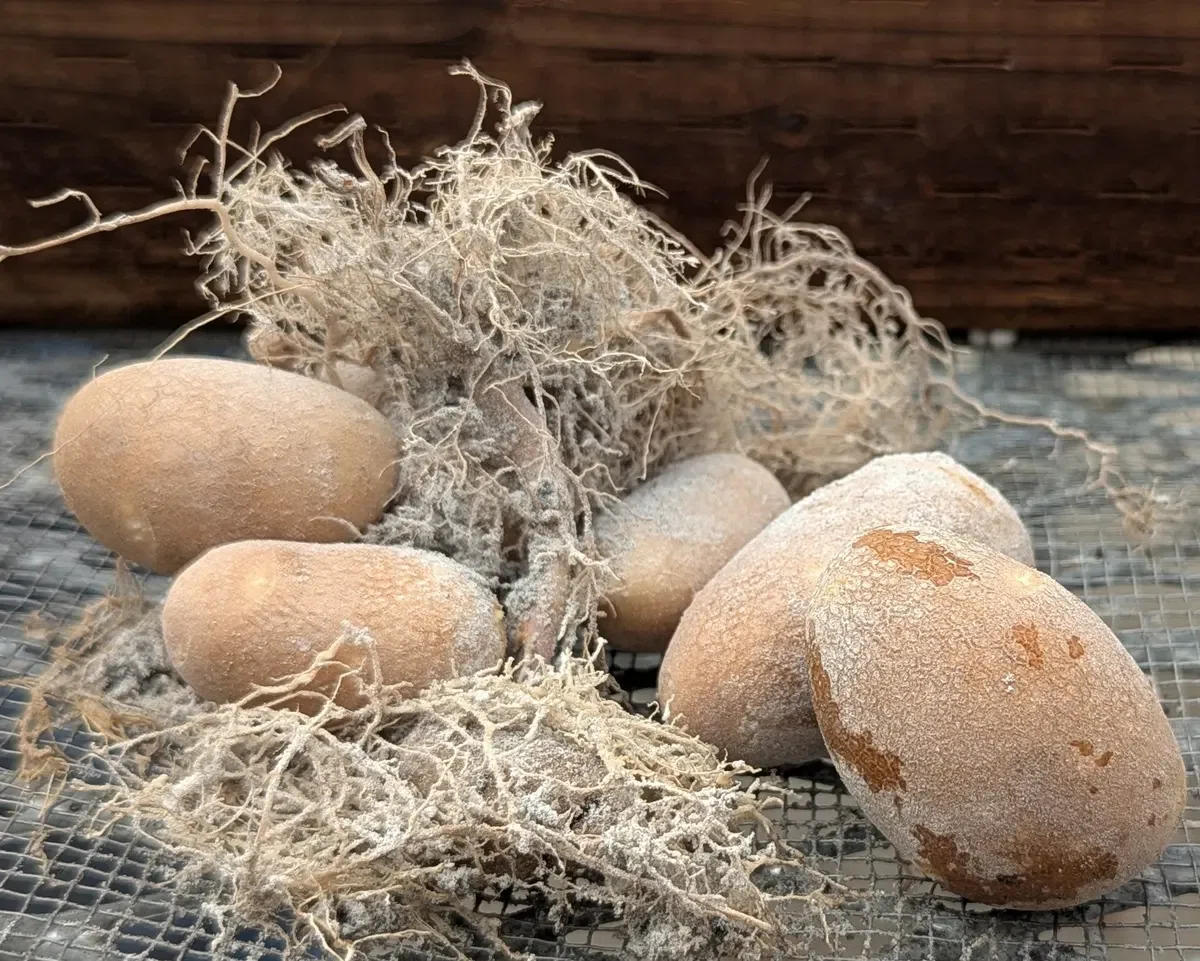
Researchers at Oregon State University have grown potatoes in simulated lunar soil, and the scientists concluded that potatoes are an ideal candidate for farming on the moon. The work was funded by the US space agency Nasa and reported in the journal npj Microgravity.
The experiments took place in a greenhouse on Earth using lunar regolith simulants, engineered materials designed to replicate the properties of moon dust and soil, rather than samples from the Moon. Lunar regolith contains no nitrogen, and potatoes planted in it without vermicompost produced almost no roots or tubers. At 30% vermicompost the yield matched potatoes grown in Earth soil under the same conditions.
The researchers tested five lunar soil simulants representing the Moon's volcanic plains and highland regions. Levels of glycoalkaloids did not increase significantly, although some tubers accumulated slightly higher concentrations of certain metals. The team has not yet tasted the sample potatoes, which were grown in small pots.
The study involved the modoc potato, and the researchers are now investigating 10 potato varieties to identify those best suited to lunar growing conditions.
Key facts
- Potatoes grown with 30% vermicompost in simulated lunar soil yielded the same as potatoes grown in Earth soil.
- Lunar regolith contains no nitrogen, so no crop would grow without supplementing it.
- The researchers are investigating 10 potato varieties.
Three perspectives
Neutral
Researchers at Oregon State University grew potatoes in simulated lunar soil mixed with vermicompost.
Positive
The scientists concluded that potatoes are an ideal candidate for farming on the moon.
Negative
The experiments were done in a greenhouse on Earth, and real lunar conditions could affect plants differently.
Your week in news, every Wednesday
The biggest stories of the week for your edition, in your inbox every Wednesday morning, your time. Free, and you can unsubscribe at any time.