

 Canada
Food is medicine movement aims to manage chronic conditions
Programs providing curated healthy foods through prescriptions seek to improve patient health and reduce healthcare costs.
 Health Desk 2 min read
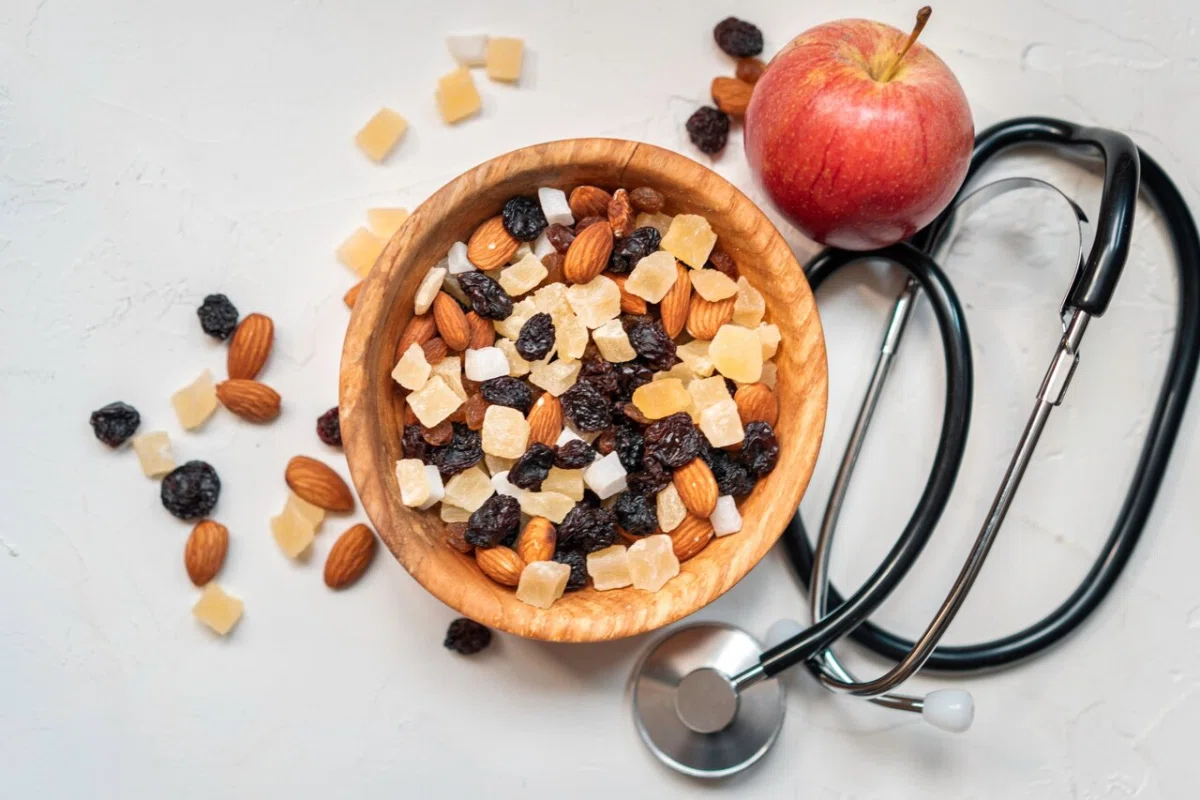
Food is medicine programs provide healthy foods, such as fruits, vegetables, and sometimes healthy proteins, based on a clinician's prescription. These programs aim to prevent, manage, or treat specific clinical conditions while reducing healthcare costs. They can be delivered through medically tailored meals, grocery vouchers, or curated food boxes.
The movement seeks to convey that food is as important as medication for health and wellness. Research shows a healthy diet can help people with high blood pressure, heart disease, and type 2 diabetes. An advisory group suggested these programs could save the U.S. healthcare system an estimated US$4.3 trillion annually.
In 2024, more than 47 million Americans, including 7.3 million children, lived in food-insecure households. Food is medicine programs have become lifelines for people with food insecurity, particularly in rural populations where the loss of local grocery stores and distance from urban centers increase risk.
The movement began more than 60 years ago when civil rights activist Dr. Jack Geiger co-founded community health centers in the Mississippi Delta and South Boston. In 2025, the Rockefeller Foundation supported a meeting that established the Food Is Medicine Global Alliance to help integrate and finance such programs worldwide by 2030.
While some reviews found that these interventions positively influenced food security and diet quality, the effect on long-term health outcomes has been inconsistent. This inconsistency is partly because many trials have not been rigorous enough or were too small to determine causation.
Key facts
- Food is medicine programs provide healthy foods based on clinician prescriptions to manage clinical conditions.
- The Food Is Medicine Global Alliance was established in 2025 to help deliver programs worldwide by 2030.
- In 2024, over 47 million Americans lived in food-insecure households.
Three perspectives
Neutral
Food is medicine programs provide healthy foods based on clinician prescriptions to manage or prevent clinical conditions.
Positive
These programs can help manage chronic conditions and may save the U.S. healthcare system an estimated US$4.3 trillion annually.
Negative
The effect of these programs on long-term health outcomes has been inconsistent due to small or non-rigorous trials.
Your week in news, every Wednesday
The biggest stories of the week for your edition, in your inbox every Wednesday morning, your time. Free, and you can unsubscribe at any time.