 Ghana
GhanaGhana Raises $289 Million
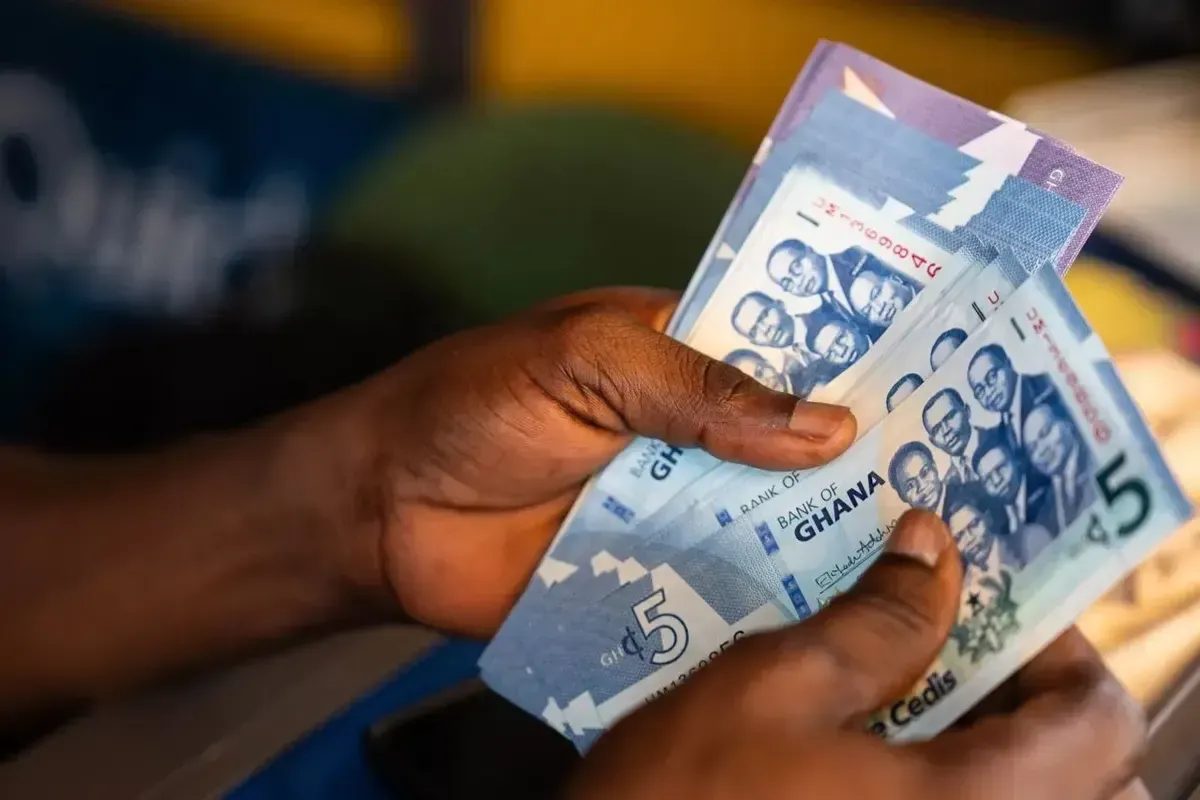
Ghana raised 3.39 billion cedis in its first sale of cocoa bills since a debt default, with the proceeds to be used to buy beans from farmers during the 2026-27 season. The debt was sold at a coupon of 11%.
 Global Newsflix 2 min read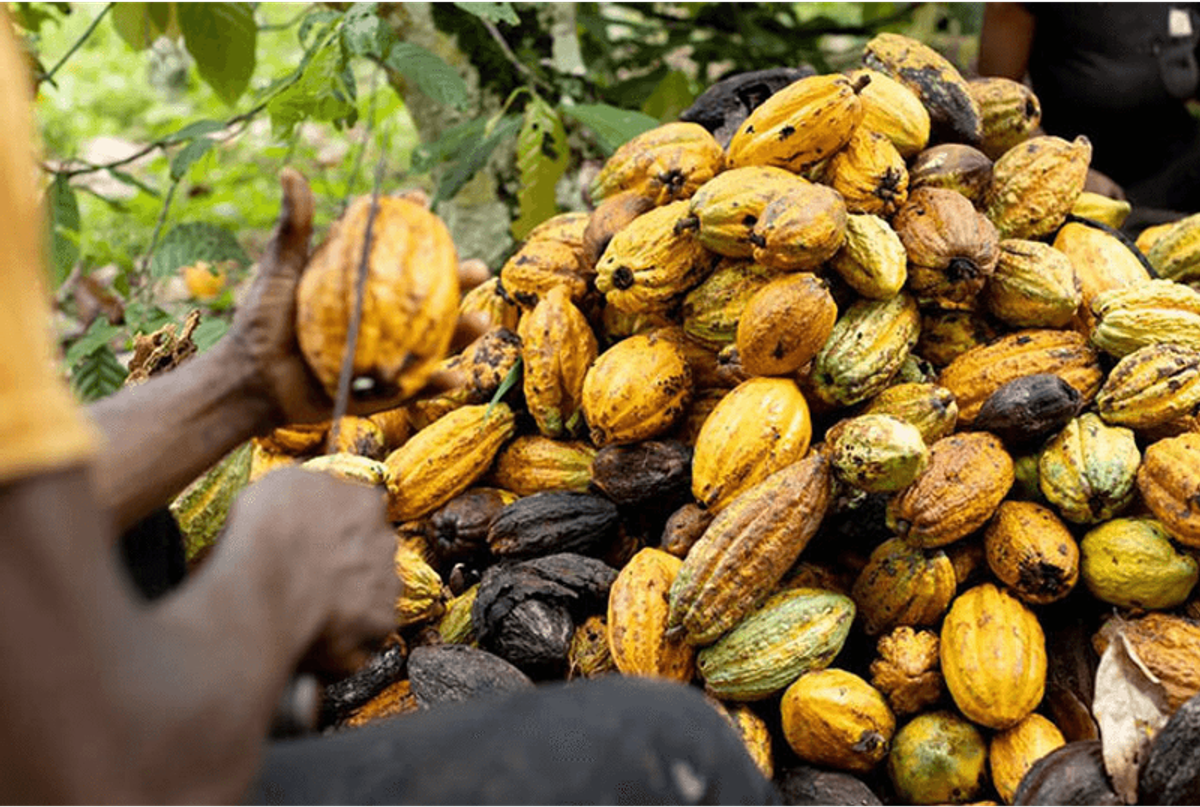
Ghana has raised 3.39 billion cedis ($289 million) in its first sale of cocoa bills since a debt default. The proceeds will be used to buy beans from farmers during the 2026-27 season.
The debt was sold at a coupon of 11%, according to people familiar with the transaction. This is the first part of the Ghana Cocoa Board’s 16.3 billion-cedi note program to finance the harvest that began on September 25.
The Ghana Cocoa Board (COCOBOD) has secured funding to boost purchases from farmers. COCOBOD targets below-60% crop collateralisation for the 2026/27 season.
Ghana’s Cocoa market faces a significant financing transition as COCOBOD replaces part of its traditional international borrowing with a $1.4 billion domestic financing programme for the 2026/27 season.
The initiative is designed to provide working capital for cocoa purchases while restructuring legacy debt following payment difficulties in the previous season.
COCOBOD’s Cocoa Capital PLC launched a $1.4 billion Domestic Cocoa Notes Programme on September. Of the total, $1.2 billion is planned through commercial paper to meet short-term funding requirements for 2026/27 crop purchases.
The commercial paper will be issued in tranches according to purchasing requirements and market conditions.
Key facts
- Ghana raised 3.39 billion cedis ($289 million) in its first sale of cocoa bills since a debt default.
- The debt was sold at a coupon of 11%.
- The proceeds will be used to buy beans from farmers during the 2026-27 season.
- COCOBOD targets below-60% crop collateralisation for the 2026/27 season.
Three perspectives
Neutral
The sale of cocoa bills is a significant development for Ghana's cocoa industry. The funding will be used to purchase beans from farmers, which will help to boost the industry. However, the impact of the debt default on the industry is still being felt.
Positive
The successful sale of cocoa bills is a positive step for Ghana's cocoa industry. The funding will provide a much-needed boost to farmers and help to stimulate economic growth.
Negative
The debt default has had a significant impact on Ghana's cocoa industry. The high coupon rate of 11% may be a challenge for the industry, and the legacy debt still needs to be restructured.
Your week in news, every Wednesday
The biggest stories of the week for your edition, in your inbox every Wednesday morning, your time. Free, and you can unsubscribe at any time.