

 United Kingdom
COP31 summit in Turkey reaches deadlock over fossil fuel language
Negotiations for the Antalya Accords have run through the night as countries clash over the removal of fossil fuel references and climate finance commitments.
 Climate Desk 2 min read
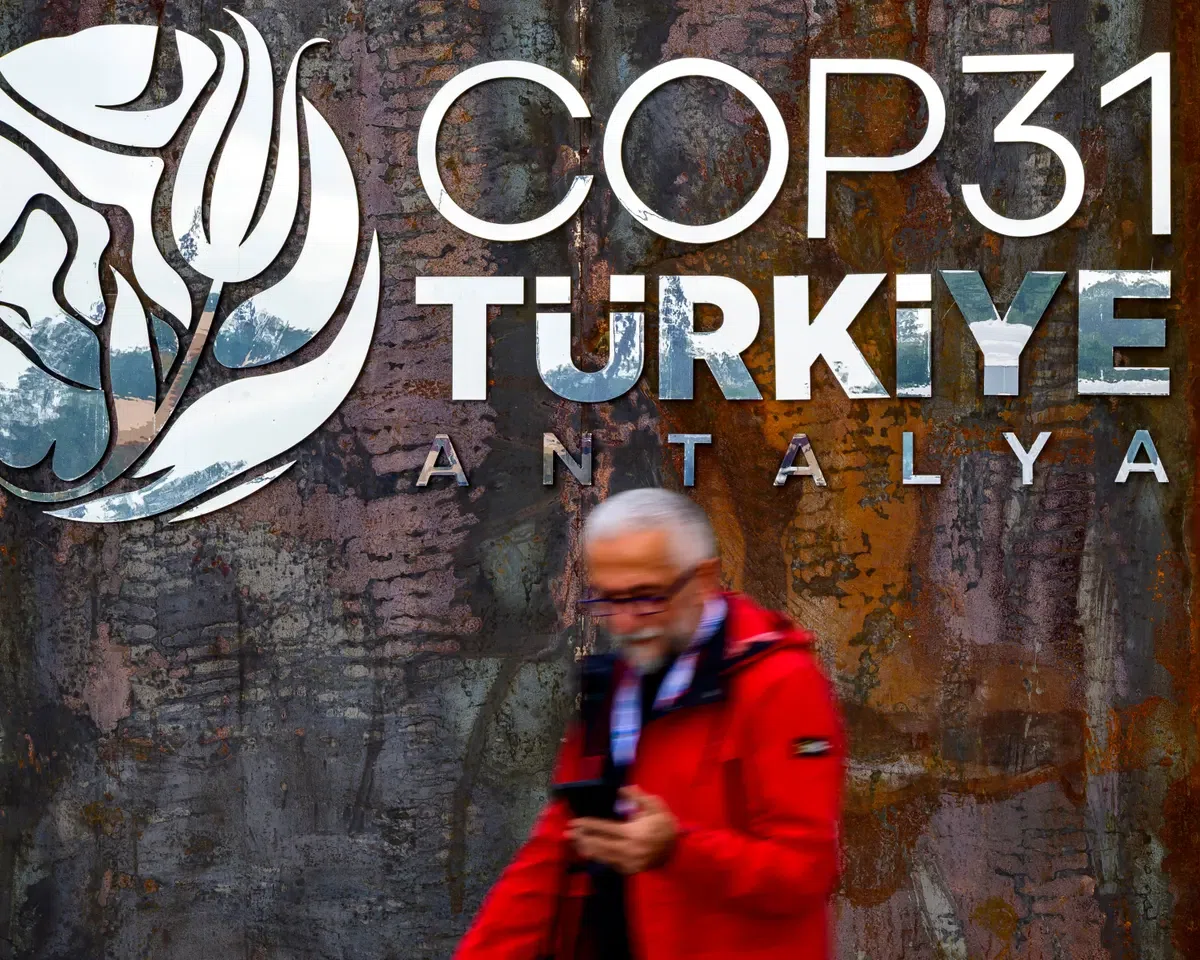
Negotiations at the COP31 UN climate summit in Turkey have reached a deadlock after running through the night. Nearly 200 countries are unable to agree on a new global climate deal, known officially as the Antalya Accords. A new draft agreement is expected to be published on Saturday.
A group of nations including Panama, France, Spain, Belgium, Sweden, and Finland is pushing to include commitments to move away from oil, gas, and coal. This intervention follows efforts by fossil fuel producers, led by Saudi Arabia, to remove such language from the text.
France's Minister of Ecological Transition, Monique Barbut, also opposed the draft, targeting references to carbon capture, use, and storage. She argued that such technology could act as a licence for countries to continue burning oil and gas. The draft also acknowledges for the first time that the goal of limiting global temperature rise to 1.5C has been missed.
Developing nations are also disputing the removal of a $120bn target for adaptation funding by 2035.
Australia's climate change and energy minister, Chris Bowen, is leading negotiations and argued that the summit should focus on implementation and the transition to clean energy. One proposal suggests keeping fossil fuels off the table if Saudi Arabia and other petro-states pledge that 35% of their power will come from electricity by 2035.
Key facts
- Negotiations for the Antalya Accords in Turkey have reached a deadlock.
- The draft agreement acknowledges that the 1.5C temperature rise goal has been missed.
- A $120bn target for adaptation money by 2035 was removed from earlier versions of the text.
Three perspectives
Neutral
Countries are negotiating a series of decisions and resolutions that have legal force within the context of the Paris Agreement.
Positive
The draft acknowledges an irreversible global transition towards low greenhouse gas emissions and climate-resilient development.
Negative
Environmental groups have described the meeting as lacking ambition and potentially being the worst COP ever.
Your week in news, every Wednesday
The biggest stories of the week for your edition, in your inbox every Wednesday morning, your time. Free, and you can unsubscribe at any time.