

 Ghana
GhanaPhysicists find evidence of third type of magnetism in new material
The discovery of altermagnetism in a cobalt-based material could lead to faster and more energy-efficient computers.
 Global Newsflix 2 min read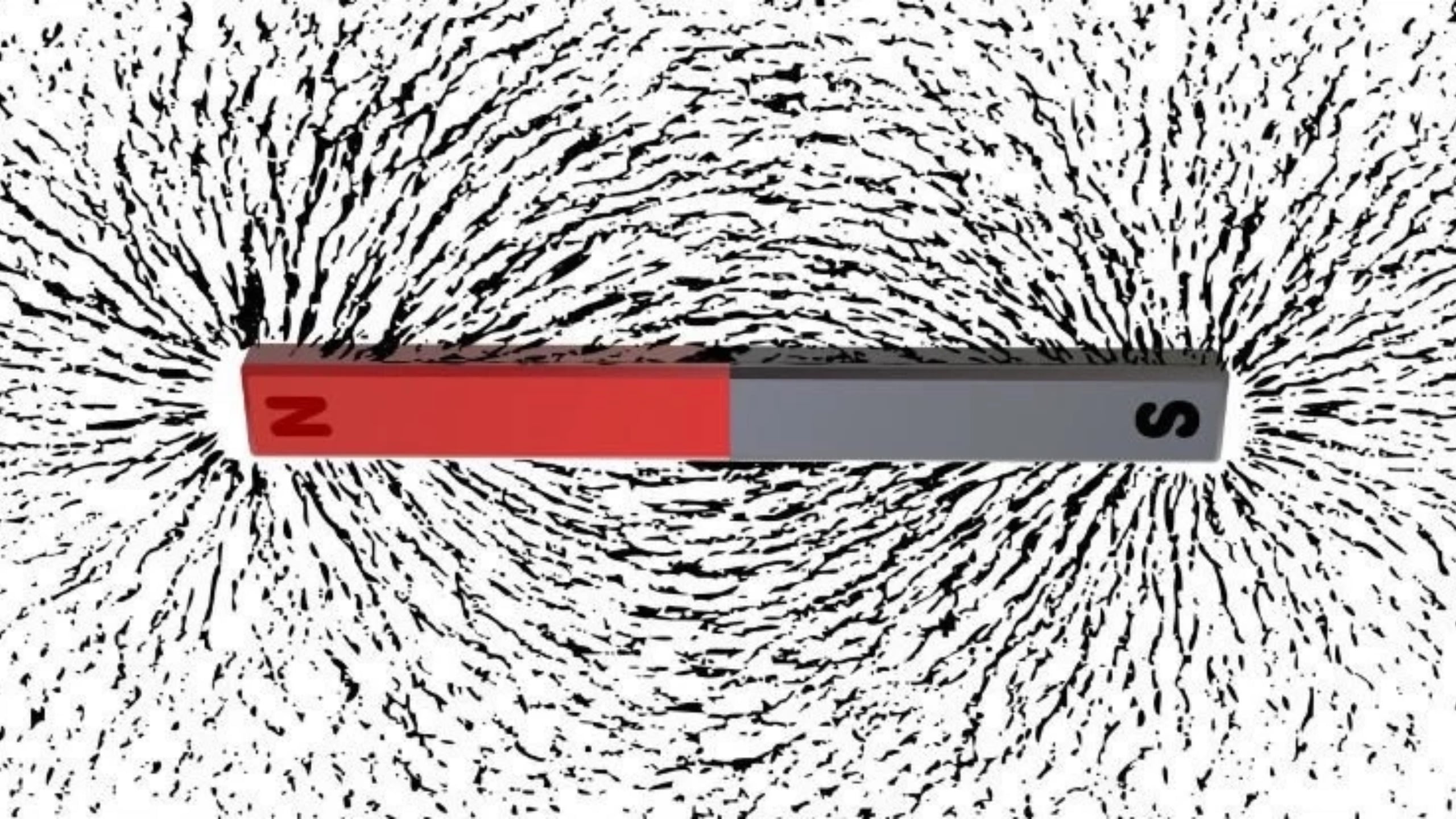
Physicists have found experimental evidence of a third type of magnetism in a layered material. The material, cobalt-intercalated tantalum diselenide, shows properties of altermagnetism. This discovery could lead to the development of faster and more energy-efficient electronic devices.
Traditional ferromagnets, such as refrigerator magnets, have atomic spins that line up in the same direction. This creates a magnetic field, but the resulting stray fields can interfere with nearby electronic components. Antiferromagnets have spins that point in opposite directions and cancel each other out. While they avoid stray fields, they lack certain electronic properties found in ferromagnets.
Altermagnets combine characteristics of both. They have no net magnetization like antiferromagnets, but their electrons behave as if the material were magnetic. In these materials, the energy of electrons depends on their spin and direction of travel. Madhab Neupane, a professor at the University of Central Florida, said these materials can generate and detect spin currents without producing unwanted stray magnetic fields.
The research team used a technique called angle-resolved photoemission spectroscopy to map how electrons move inside the crystal. This method includes measurements that distinguish between spin up and spin down electrons. The researchers identified a characteristic splitting in the electronic bands of the material and confirmed that these states carried opposite spin polarizations.
The material consists of layers of tantalum and selenium with cobalt atoms placed between them. Researchers created the crystals by heating the elements at more than 900 degrees Celsius for two weeks. This structure allows the material to alter the movement of electrons as they run through it.
This discovery may support the development of spintronics, which uses electron spin rather than just electrical charge to process information. Constantin Schrade, an assistant professor at LSU, said the research supports theories on how altermagnets could control spintronics.
Key facts
- Altermagnets have no net magnetization but can generate and detect spin currents.
- The material studied is cobalt-intercalated tantalum diselenide.
- The discovery could advance spintronics, ultrafast memory, and energy-efficient electronics.
Three perspectives
Neutral
The findings provide experimental proof for a theoretical class of magnetism. Researchers will likely focus on how to integrate these materials into existing electronic manufacturing processes.
Positive
This discovery offers a way to create densely packed electronic components that do not interfere with each other. It provides a path toward more efficient computing through spintronics.
Negative
The material requires specific, high-temperature manufacturing processes that may be difficult to scale. It remains a laboratory discovery that has not yet been applied to consumer technology.
Your week in news, every Wednesday
The biggest stories of the week for your edition, in your inbox every Wednesday morning, your time. Free, and you can unsubscribe at any time.