Researchers challenge use of de-extinction term for engineered wolves
The researchers focused on the 2025 work by Colossal Biosciences, which made genetic edits to grey wolf cells to breed animals with traits resembling dire wolves.
 Science Desk 2 min read
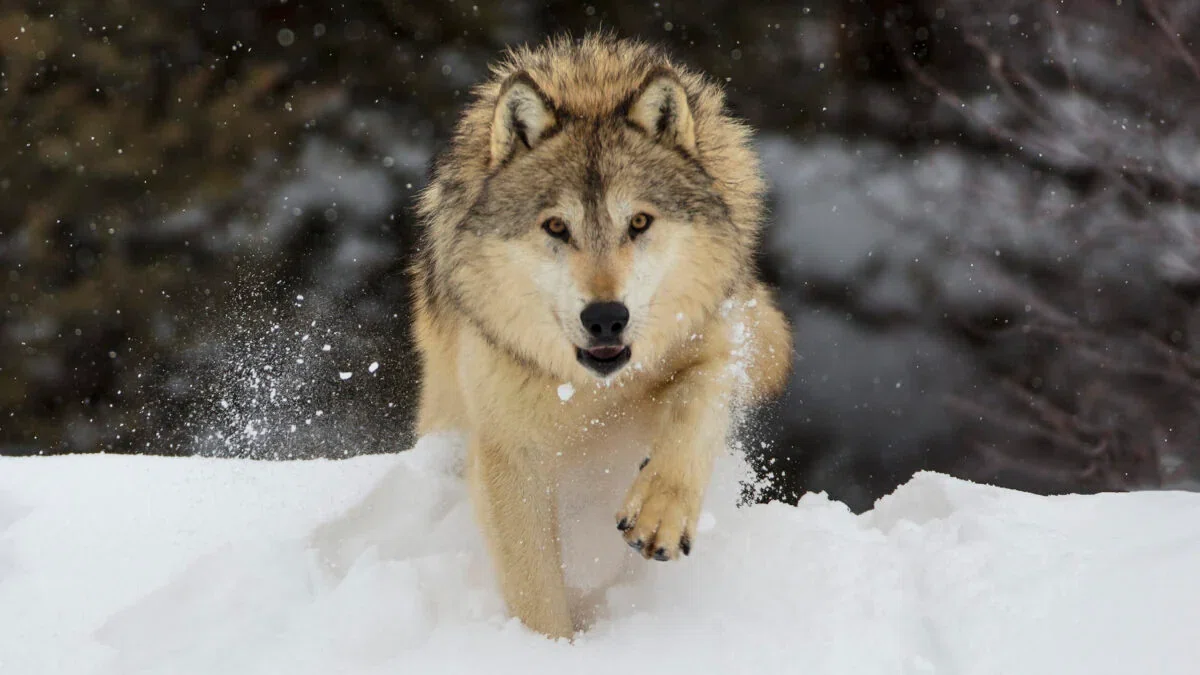
The researchers focused on the 2025 work by Colossal Biosciences, which made genetic edits to grey wolf cells to breed animals with traits resembling dire wolves. These traits included larger bodies, bigger teeth, and paler fur. Davinack and Daniels call the mistake of labeling such work de-extinction lineage-genome conflation.
The argument states that a species is more than its DNA, as genes and physical characteristics result from a continuous evolutionary history. Any gaps in that history break the connection and redefine the species.
Regarding the dire wolf, the researchers note that these animals lived in a different world more than 10,000 years ago with different climates, food sources, and predators. They argue that genomic reconstruction can produce ecological proxies or selected traits, but it cannot recover historically continuous evolutionary lineages.
Davinack and Daniels suggest that using preserved cells or preserved embryos is a more promising route for de-extinction because it ensures greater biological continuity. They noted that scientists used cell preservation with the Pyrenean ibex in 2003, which provided a stronger claim to de-extinction even though the animal did not survive.
The researchers are asking private companies and media outlets to be more responsible with terminology. They state that terms like de-extinction can misrepresent the science and make it harder to put technological progress in context.
Key facts
- Andrew Davinack and Charlotte Daniels argue that de-extinction cannot recover extinct species because extinction terminates an evolutionary lineage.
- Colossal Biosciences used genetic edits on grey wolf cells in 2025 to create animals with dire wolf characteristics.
- The researchers propose the term lineage-genome conflation to describe the mislabeling of engineered animals as de-extinct species.
Three perspectives
Neutral
Researchers argue that genetic engineering of modern species to resemble extinct ones is not true de-extinction.
Positive
Using preserved cells or embryos is a more promising route for de-extinction as it ensures greater biological continuity.
Negative
The use of the term de-extinction can be misleading and misrepresent the science involved.
Your week in news, every Wednesday
The biggest stories of the week for your edition, in your inbox every Wednesday morning, your time. Free, and you can unsubscribe at any time.