

Small AI could accelerate economic development for emerging economies
The World Bank's chief knowledge officer says specialized AI models could speed up development from centuries to decades if adapted to local needs and connectivity levels.
 AI & Cyber Desk 2 min read
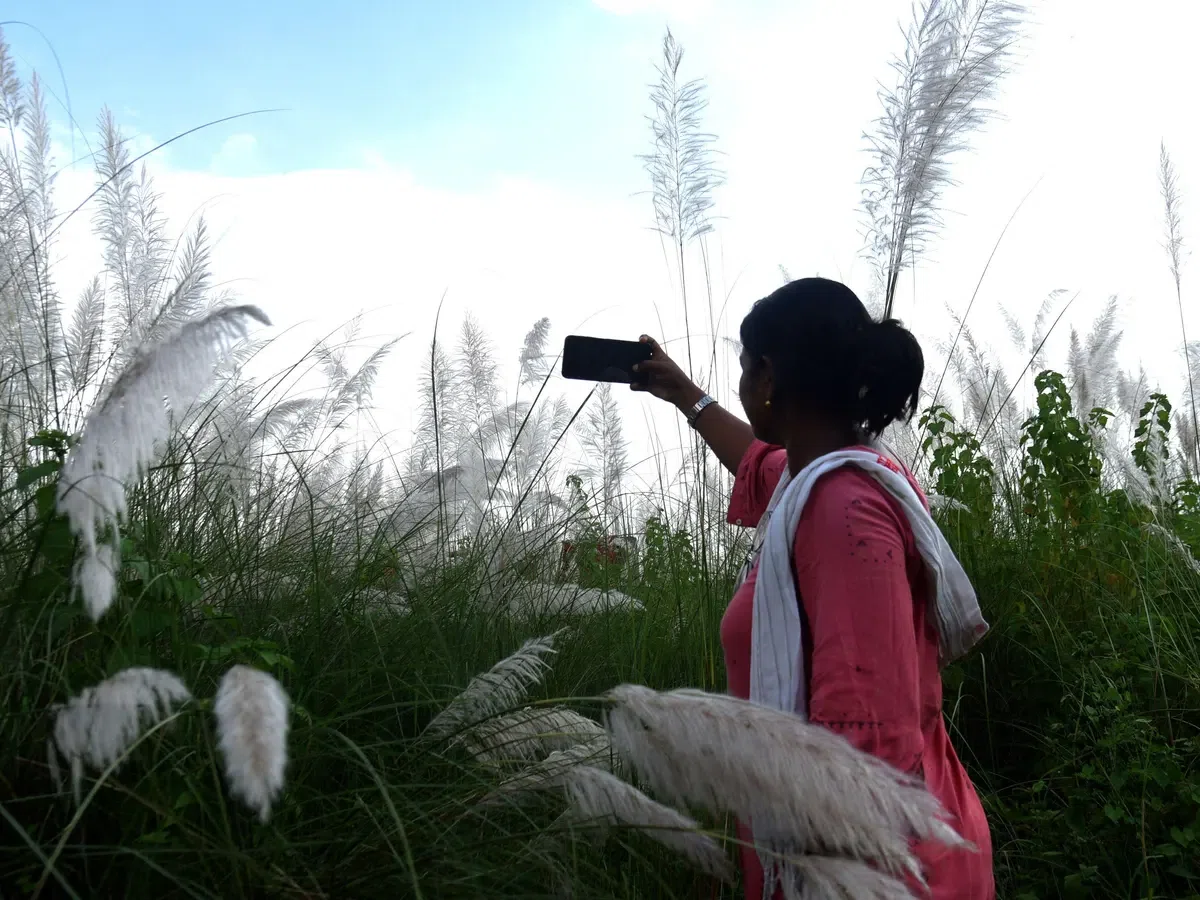
Small AI models could accelerate economic development in emerging economies from centuries to decades, according to Paschal Donohoe, the World Bank's chief knowledge officer. These models use specialized training on narrower datasets for specific purposes and can run on mobile phones with low connectivity.
Donohoe, a former finance minister for Ireland, cited Indian farmers in the World Bank's AgriConnect scheme as an example. Small AI could deliver this information via mobile phones in local settings and languages.
At the annual meetings of the World Bank and the International Monetary Fund (IMF) in Bangkok, Thailand, IMF managing director Kristalina Georgieva called for governments to provide the preconditions for AI success. These preconditions include access to electricity, digital infrastructure, and government protections against bad actors.
Georgieva warned that AI is likely to augment or eliminate 40% of jobs worldwide over time. She noted that young people entering the labour market are the most at risk because the routine, repetitive jobs they would normally use to rise through the ranks may disappear.
To address development needs, the World Bank has focused on attracting private-sector funding, mobilizing $120bn of private capital in the past year through guarantees and other financial instruments.
Key facts
- Small AI models can run on mobile phones with low connectivity to help emerging economies.
- The IMF's Kristalina Georgieva warned that 40% of jobs worldwide could be augmented or eliminated by AI.
- The World Bank mobilized $120bn of private capital in the past year.
Three perspectives
Neutral
The impact of AI on jobs and growth is a central theme of the World Bank and IMF annual meetings in Bangkok.
Positive
Small AI could allow economic development that might have taken centuries to happen within decades.
Negative
Almost a third of rural schools in sub-Saharan Africa lack electricity and more than two-thirds lack consistent internet.
Your week in news, every Wednesday
The biggest stories of the week for your edition, in your inbox every Wednesday morning, your time. Free, and you can unsubscribe at any time.