

Giant rodent fossils discovered in southern Thailand
The discovery of Yakamys sirindhornae suggests that rodent gigantism occurred much earlier and more widely than previously understood.
 Science Desk 2 min read
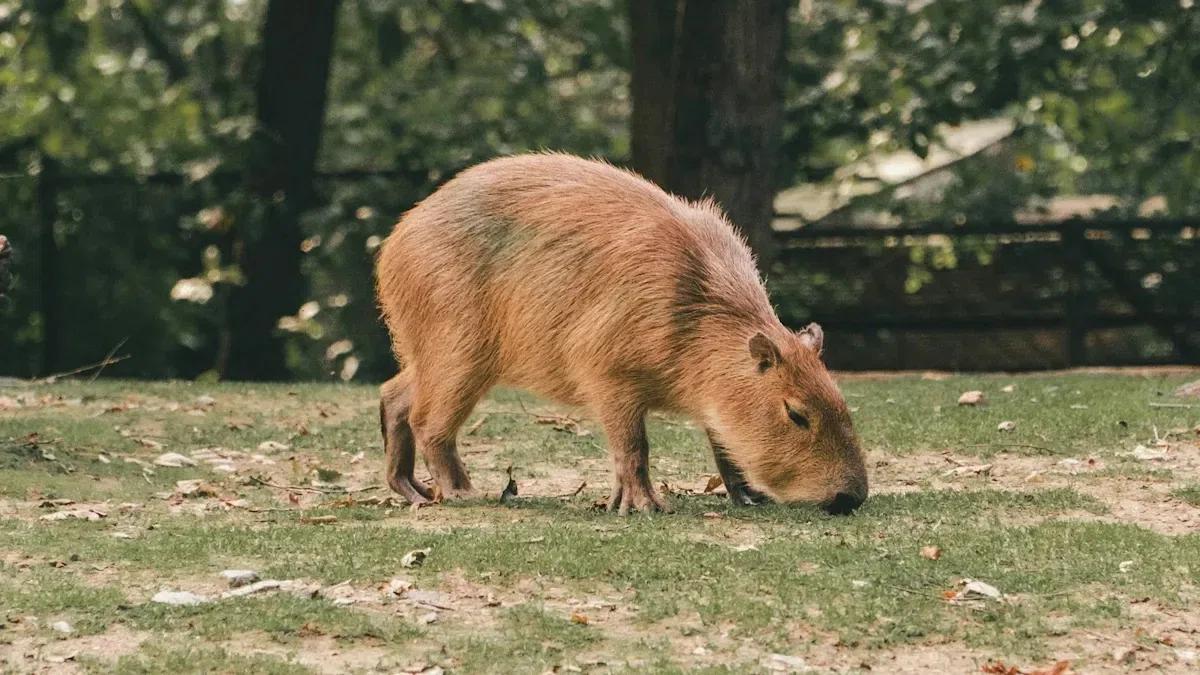
Paleontologists have discovered fossils of a remarkably large rodent in a mine in southern Thailand. The find suggests that rodents evolved large body sizes at least 15 to 20 million years earlier than scientists previously believed.
The fossils, consisting of a lower second molar and a lower incisor fragment, were found in a clay layer within a coal seam at the Bang Mark Pit of the Krabi lignite mine. Researchers estimate the animal weighed approximately 30 kilograms (66 pounds), which is about twice the mass of other known rodents from that era, such as Hulgana.
The genus name Yakamys combines the Thai word for giant, yak, with the Greek word for mouse or rat, mys. The species name honors Princess Maha Chakri Sirindhorn for her support of science and paleontological research in Thailand.
Virginie Millien, a professor of biology at McGill University and study co-author, said the discovery indicates Southeast Asia played an important role in the early evolutionary history of large-bodied rodents. While giant rodents evolved repeatedly later in the group's history, mostly in South America, this find shows body-size experiments began sooner and in more places.
The research involved a collaboration between McGill University, the Department of Mineral Resources of Thailand, and French institutions including CNRS and Université de Poitiers. Because the fossil material is limited, researchers noted it is difficult to determine exactly how the species evolved. Further discoveries will be necessary to understand the biology and ecology of the animal.
Key facts
- The new species, Yakamys sirindhornae, lived about 34 million years ago.
- Researchers estimate the rodent weighed approximately 30 kilograms.
- The fossils were found in the Krabi lignite mine in southern Thailand.
Three perspectives
Neutral
Paleontologists identified a new species of large rodent from fossilized teeth found in a Thai coal mine.
Positive
The discovery provides a new perspective on the early evolutionary history of rodent gigantism.
Negative
The limited amount of fossil material makes it difficult to determine exactly how the species evolved.
Your week in news, every Wednesday
The biggest stories of the week for your edition, in your inbox every Wednesday morning, your time. Free, and you can unsubscribe at any time.