

 Canada
Global timekeepers vote to end leap second practice
The International Bureau of Weights and Measurements will stop issuing leap seconds in May 2027 to avoid risks to technology and the possibility of a negative leap second.
 Technology Desk 2 min read
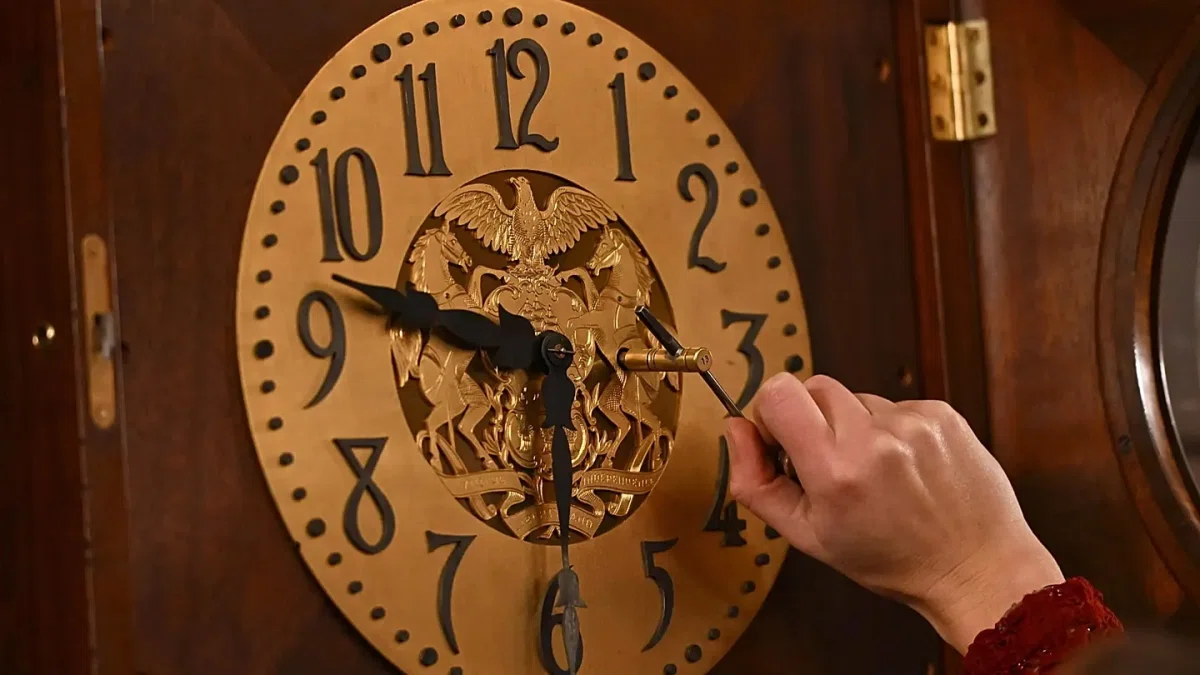
International timekeepers have voted to eliminate a 50-year-old time adjustment that has long been an operational bane to data servers, financial traders, websites and other technologies. The International Bureau of Weights and Measurements (BIPM) said on Thursday that it will stop issuing leap seconds in May 2027.
Since 1972, 32 leap seconds have been added to adjust Coordinated Universal Time (UTC). The practice was implemented to address a growing gap between time measured with atomic clocks and time based on the Earth's rotation. The molten core of the Earth, oceans, and the atmosphere also affect the spin rate.
The decision was driven by the risk of the world's first negative leap second. Earth has picked up rotational speed in recent years due to climate change, and melting ice has caused a shift in the planet's gravity. A 2024 Nature study suggested a negative leap second may have been required as soon as 2029. BIPM time department director Patrizia Tavella said the probability of a negative leap second convinced the bureau to set the application date in 2027, adding that tests by an industry standards group showed several failures with a negative leap.
Leap seconds have caused issues for various systems, such as when the airline Qantas saw its booking system borked by a leap second in 2012. While companies like Google and Meta use a smear method to spread a leap second out over a day, other systems have been thrown off. Judah Levine, a fellow at the US National Institute of Standards and Technology, said that the concern was that a negative leap second would be much more serious because its effects had never been tested.
BIPM will implement the change on May 20, 2027, which is the anniversary of the 1875 signing of the Metre Convention and Metrology Day. To address the continued drift between atomic time and astronomical time, the BIPM also agreed to create a leap hour, though this is considered millennia away.
Key facts
- The International Bureau of Weights and Measurements will stop issuing leap seconds in May 2027.
- The decision aims to avoid the risks associated with the first potential negative leap second.
- Since 1972, 32 leap seconds have been added to Coordinated Universal Time.
Three perspectives
Neutral
The BIPM will stop issuing leap seconds in May 2027 to manage the drift between atomic and astronomical time.
Positive
The end of the leap second will make life easier for technology users and reduce operational hassles.
Negative
A negative leap second could cause serious failures in technology because its effects have never been tested.
Your week in news, every Wednesday
The biggest stories of the week for your edition, in your inbox every Wednesday morning, your time. Free, and you can unsubscribe at any time.