Cats meow more frequently when humans are present to solve problems
A study by animal behaviorists at the University of São Paulo found that pet cats are significantly more vocal when a human is available to help them access food.
 Science Desk 2 min read
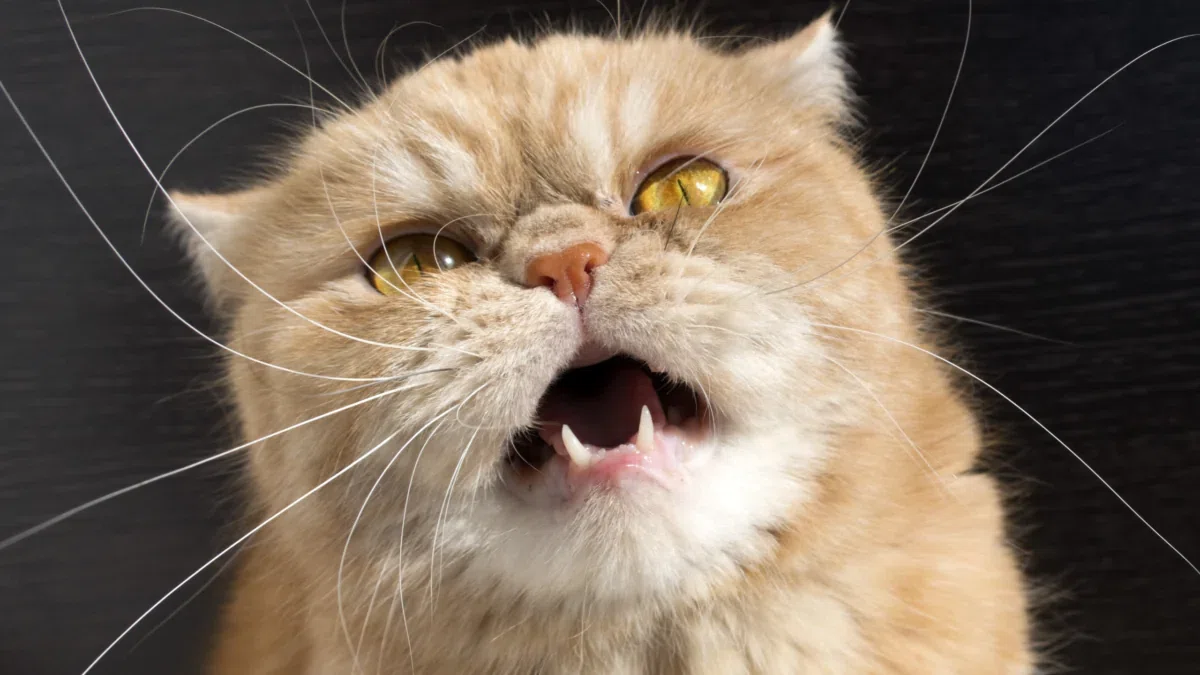
Pet cats are more likely to meow when a human is present to help them solve a problem, according to animal behaviorists at the University of São Paulo. Researchers recruited 38 pet cats whose humans reported frequent meowing if food was involved.
Each cat was given a problem they could not solve alone: a food treat in a small plastic box with holes. The cats could smell the treat but needed a tool only a human could provide, such as opposable thumbs.
Researchers observed the cats for one minute under two conditions: with a human present and paying attention, or with no human in the room. The researchers recorded 86 meows when a human was present, compared to 20 meows when the cat was alone.
Statistical analysis showed the odds of meowing were more than 16 times higher when a human was in the room. During these vocalizations, cats often directed their gaze toward the human, sometimes alternating between the human and the snack box.
When a human was not present, the cats spent more time standing still and looking at the door. This suggests cats adjust their behavior depending on who might be available to fix the problem.
The study was relatively small and used cats already known to be vocal about food. Future studies may involve profiling actual meows to see if cats use different vocalizations for different requests.
Key facts
- The odds of meowing were more than 16 times higher when a human was in the room.
- Researchers recorded 86 meows with a human present and 20 meows when the cat was alone.
- The study involved 38 pet cats at the University of São Paulo.
Three perspectives
Neutral
Animal behaviorists at the University of São Paulo studied how 38 pet cats used meowing when presented with a food problem they could not solve alone.
Positive
The study suggests meowing plays a communicative role in cat-human interactions.
Negative
The study was relatively small and recruited cats already known to be vocal about food.
Your week in news, every Wednesday
The biggest stories of the week for your edition, in your inbox every Wednesday morning, your time. Free, and you can unsubscribe at any time.