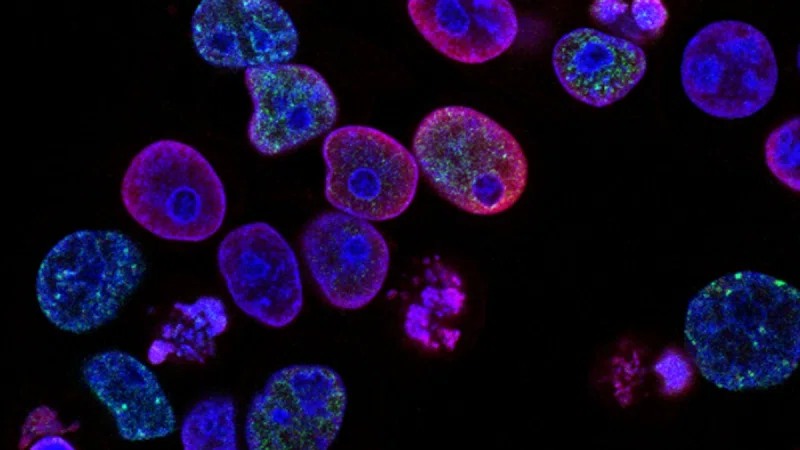
Ancient virus silenced gene involved in brain development, study finds
Researchers at Lund University discovered that an endogenous retrovirus in chimpanzee DNA prevents the expression of a gene that remains active in humans.
 Science Desk 2 min read
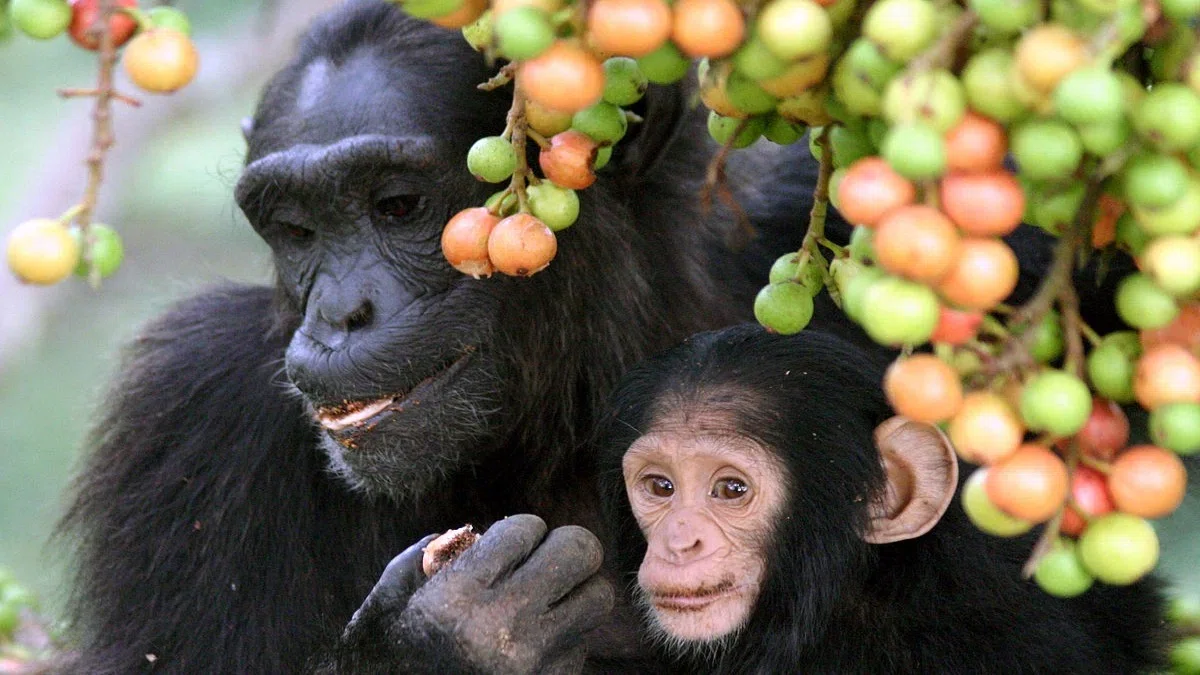
An ancient virus that infected the ancestors of chimpanzees millions of years ago is responsible for switching off a gene involved in brain development, according to a study published in Science Advances on 23 October. The genetic material from the virus, an endogenous retrovirus called PTERVE1, remains in the chimpanzee genome and prevents the expression of the LINC00662 gene.
While humans and chimpanzees share a largely similar genetic makeup, this viral insertion affects how genes are regulated. The researchers found that the viral sequence affects methylation, a process that regulates gene activity, in more than 150 regions of modern chimpanzee DNA.
To test the impact of the virus, scientists used stem cells to grow miniature human and chimpanzee brain organoids. When the team used CRISPR-Cas9 gene-editing to remove the PTERVE1 sequence from chimpanzee cells, the LINC00662 gene became active again.
In a separate experiment, researchers silenced the LINC00662 gene in human brain organoids. This resulted in reduced activity in genes responsible for deploying nerve cells and creating connections between neurons.
Johan Jakobsson, a professor of molecular neurogenetics at Lund University, said the findings suggest how an infection can cause lasting genetic changes across a population. The research team now intends to investigate if other viral sequences influenced brain evolution or are linked to neurological diseases.
Key facts
- The PTERVE1 endogenous retrovirus silences the LINC00662 gene in chimpanzees.
- LINC00662 is active during early human brain development and supports nerve cell connections.
- Removing the viral sequence via CRISPR-Cas9 reactivated the gene in chimpanzee cells.
Three perspectives
Neutral
Researchers have identified an ancient viral insertion in chimpanzee DNA that regulates the expression of a gene involved in brain development.
Positive
The study provides a way to understand how gene regulation contributes to the biological differences between humans and chimpanzees.
Negative
The research is limited because lab-grown organoids cannot reproduce the full complexities of actual brain development.
Your week in news, every Wednesday
The biggest stories of the week for your edition, in your inbox every Wednesday morning, your time. Free, and you can unsubscribe at any time.