VAT cut on domestic electricity widens driveway divide for EV drivers
A reduction in domestic electricity VAT from 5% to 0% benefits homeowners with driveways but leaves public charger users facing higher costs, according to analysis.
 Cost of Living Desk 2 min read
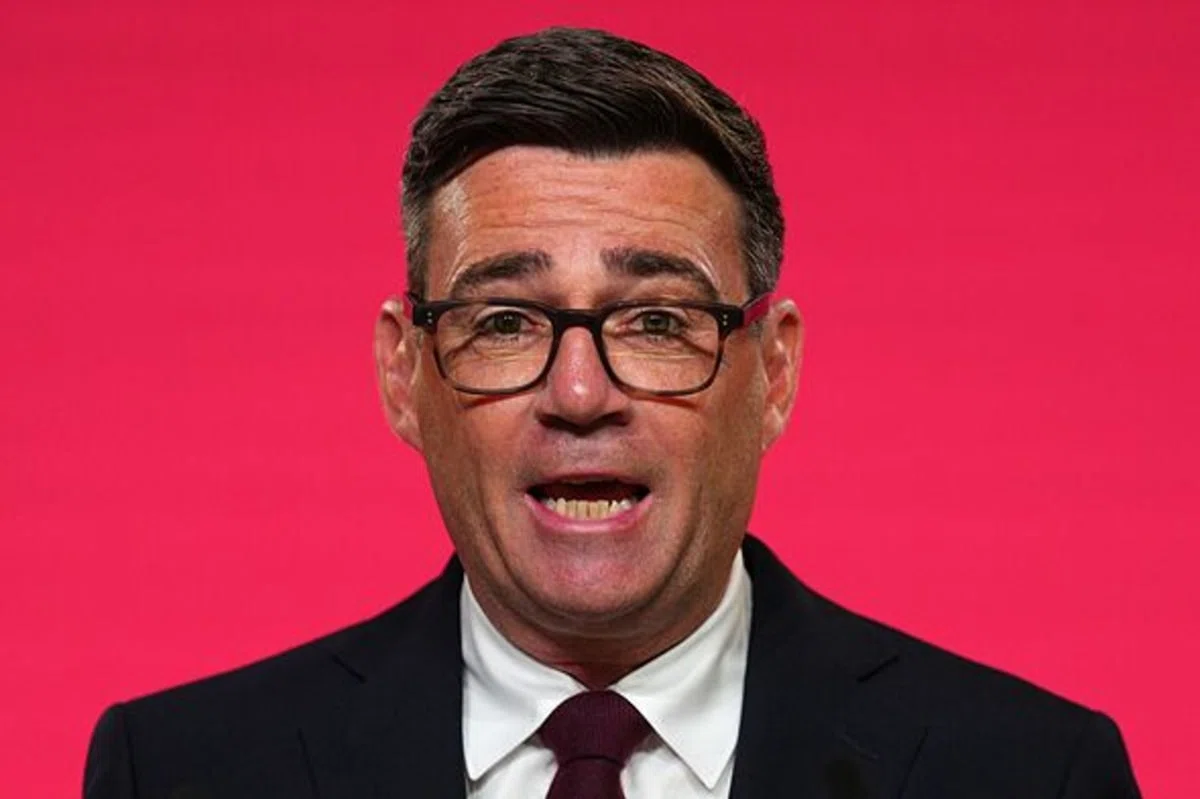
The Prime Minister slashed VAT rates on domestic electricity on October 1, reducing rates from 5% to 0%. While aimed at cutting electricity bills, the update will have a knock-on effect for anyone charging an electric car at home.
Those topping up on a driveway are likely paying around 7p per kWh due to the lower VAT rates, which is approximately 2p per mile. However, millions of road users without access to off-street parking still rely on public charging bays. These users face VAT at 20% and rates closer to 50p per kWh.
New analysis from costpermile.co.uk found that a homeowner topping up at home using a smart charging tariff would pay around £200 per year in electricity fees. Meanwhile, a terraced-home dweller driving the same 10,000 miles who relies on public rapid chargers would spend £2,260 annually. This results in an extra £2,060 every year simply because they park on the road.
Tom Preston, Chief Executive Officer at Hippo Leasing, said the current 20% VAT rate on public EV charging effectively penalises motorists who do not have a driveway. He added that equalising public charging VAT with the 5% domestic rate could save high-mileage EV drivers around £389 a year.
The Government has stressed that the VAT tax cut will help households with energy bills, taking around £45 off the yearly Ofgem price cap.
Key facts
- VAT on domestic electricity was cut from 5% to 0% on October 1.
- Homeowners charging at home may pay £200 annually, while those using public rapid chargers may spend over £2,200 per year.
- The Government stated the VAT cut will take around £45 off the yearly Ofgem price cap.
Three perspectives
Neutral
The Prime Minister reduced domestic electricity VAT from 5% to 0% on October 1 to help with energy bills.
Positive
The VAT tax cut is expected to help households with energy bills by taking around £45 off the yearly Ofgem price cap.
Negative
The decision to cut domestic VAT instead of tackling 20% VAT fees on public charging could cost some drivers hundreds of pounds and extends the driveway divide.
Your week in news, every Wednesday
The biggest stories of the week for your edition, in your inbox every Wednesday morning, your time. Free, and you can unsubscribe at any time.