

 Canada
Food insecurity rises in Canada as tariffs impact economy
A national survey shows 31 per cent of Canadians skipped meals or reduced portions due to grocery costs, with young people facing the hardest situation.
 Cost of Living Desk 2 min read
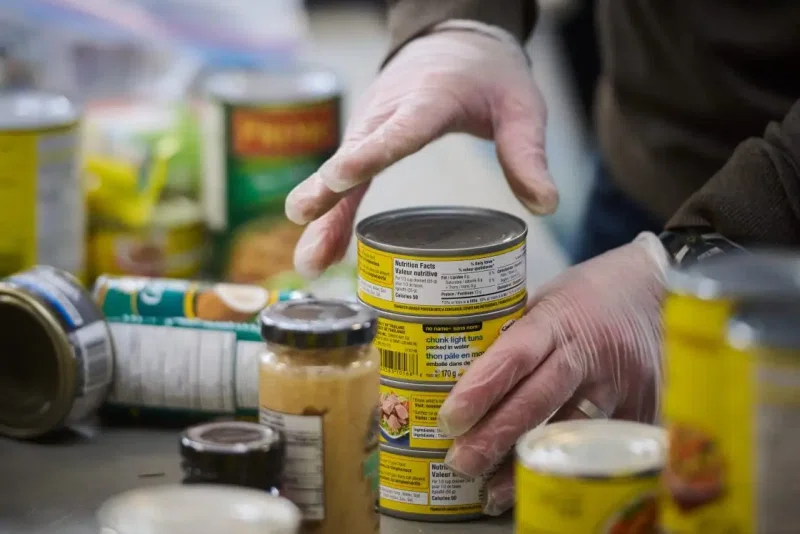
Thirty-one per cent of Canadians skipped meals or reduced their meal sizes because they could not afford groceries, according to the Salvation Army’s 2026 Poverty and Socioeconomic Analysis. This is an increase from 27 per cent one year ago. The number of people using community supports like food banks rose to 15 per cent of those surveyed, up from 11 per cent last year.
Young people reported an even worse situation. Forty-one per cent of respondents aged 18-34 said they skipped meals, which is 10 percentage points higher than the national average. Additionally, 23 per cent of those aged 18-34 said they accessed food supports.
The survey suggests Canadians are increasingly concerned about U.S. tariffs and their effect on the economy. Nearly nine in 10 respondents said they were worried the trade war would spike prices for everyday goods. Three in five reported their household was already feeling the pinch from U.S. tariffs.
On housing, half of respondents said they are not confident they could find another home in their area that was both affordable and met their household needs. Twenty-four per cent said they spend at least half their after-tax income on housing costs. To cover basic needs, 50 per cent of Canadians polled said they dipped into savings, while 40 per cent reported taking on debt or using credit.
Glenn van Gulik, a strategic engagement director for the Salvation Army, called the results deeply concerning. For many families, making ends meet is no longer about cutting back on extras, but making difficult choices between food, housing and other basic necessities, van Gulik said.
Key facts
- Thirty-one per cent of Canadians skipped meals or reduced meal sizes due to grocery costs.
- Forty-one per cent of respondents aged 18-34 reported skipping meals.
- Nearly nine in 10 Canadians are worried U.S. tariffs will spike prices for everyday goods.
Three perspectives
Neutral
The Salvation Army's 2026 Poverty and Socioeconomic Analysis shows rising food insecurity and increased concern regarding U.S. tariffs.
Positive
The survey was conducted among a nationally representative sample of Canadians, including members of the online Angus Reid Forum.
Negative
Food insecurity is worsening, particularly for young people, as households face difficult choices between food and housing.
Your week in news, every Wednesday
The biggest stories of the week for your edition, in your inbox every Wednesday morning, your time. Free, and you can unsubscribe at any time.