Nottingham woman calls for increased brain tumour research investment
Charlotte Curnow, diagnosed with glioblastoma, joins charity calls for at least £45 million a year in government research funding.
 Health Desk 2 min read
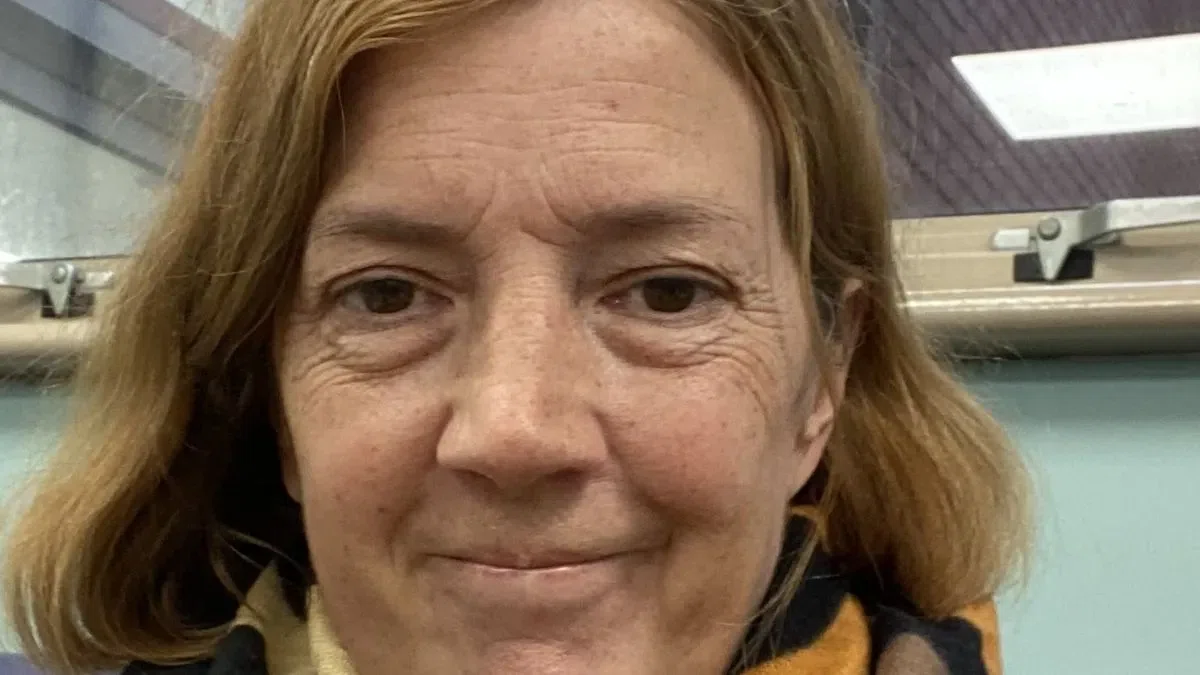
Charlotte Curnow is calling on the Government to increase investment in research to improve treatment options and outcomes for brain tumour patients. She is supporting a call for at least £45 million a year in research investment to bring survival rates in line with other cancers such as leukaemia and breast cancer.
Curnow, 56, was first diagnosed with a low-grade glioma in 2004 after an MRI scan for hearing problems revealed a tumour on the right frontal lobe of her brain. After three years of monitoring, she underwent surgery in 2007 to remove the mass.
In 2023, scans revealed the tumour had grown again and was an aggressive, incurable glioblastoma. Curnow underwent a second craniotomy in August 2023, during which surgeons performed a partial debulking to preserve her quality of life.
Brain Tumour Research said nearly 74% of research funding into brain tumours comes from the charity sector, while the Government provides just 26%. The charity also stated that between 2002 and 2021, only 1% of national cancer research spending was allocated to brain tumours.
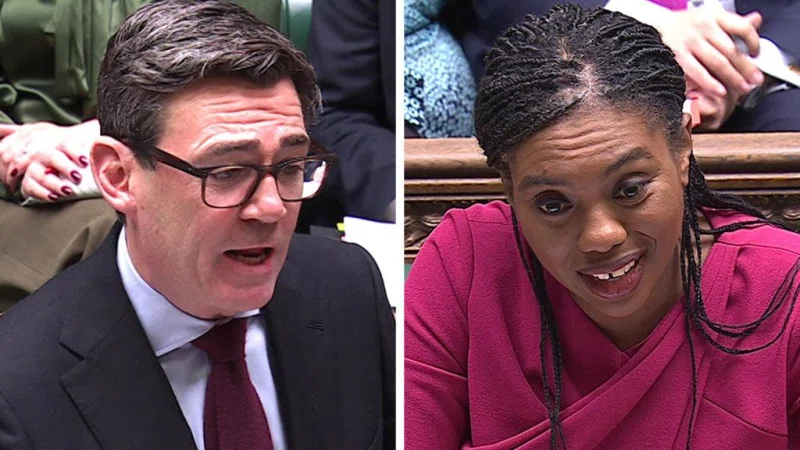
The charity noted that brain tumours kill more children and adults under 40 than any other cancer, though funding remains low. Last week, the Government made a commitment to improving survival rates following a meeting between Prime Minister Andy Burnham and swimmer Archie Goodburn.
Key facts
- Charlotte Curnow is calling for at least £45 million a year in government research investment.
- Brain Tumour Research says 74% of brain tumour research funding comes from the charity sector.
- Only 1% of national cancer research spending was allocated to brain tumours between 2002 and 2021.
Three perspectives
Neutral
Charlotte Curnow is seeking increased government research funding following two brain tumour diagnoses nearly 20 years apart.
Positive
The Government recently made a commitment to improving survival rates for brain tumour patients.
Negative
No new treatments for glioblastoma have been approved since 2005, and only one-third of patients survive beyond one year.
Your week in news, every Wednesday
The biggest stories of the week for your edition, in your inbox every Wednesday morning, your time. Free, and you can unsubscribe at any time.