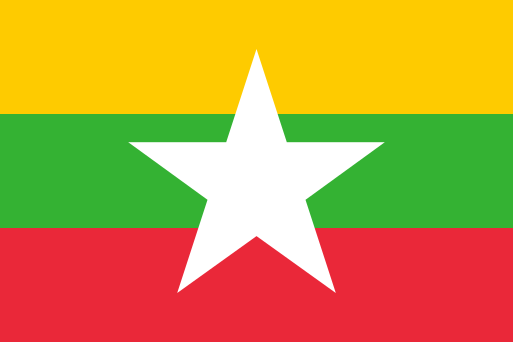
 Myanmar
Myanmar War Devastates Health System
The conflict has displaced health-care workers and destroyed infrastructure, enabling disease transmission to neighboring countries. Myanmar's health system is under siege, with dangerous diseases spreading, including cholera.
 Global Newsflix 2 min read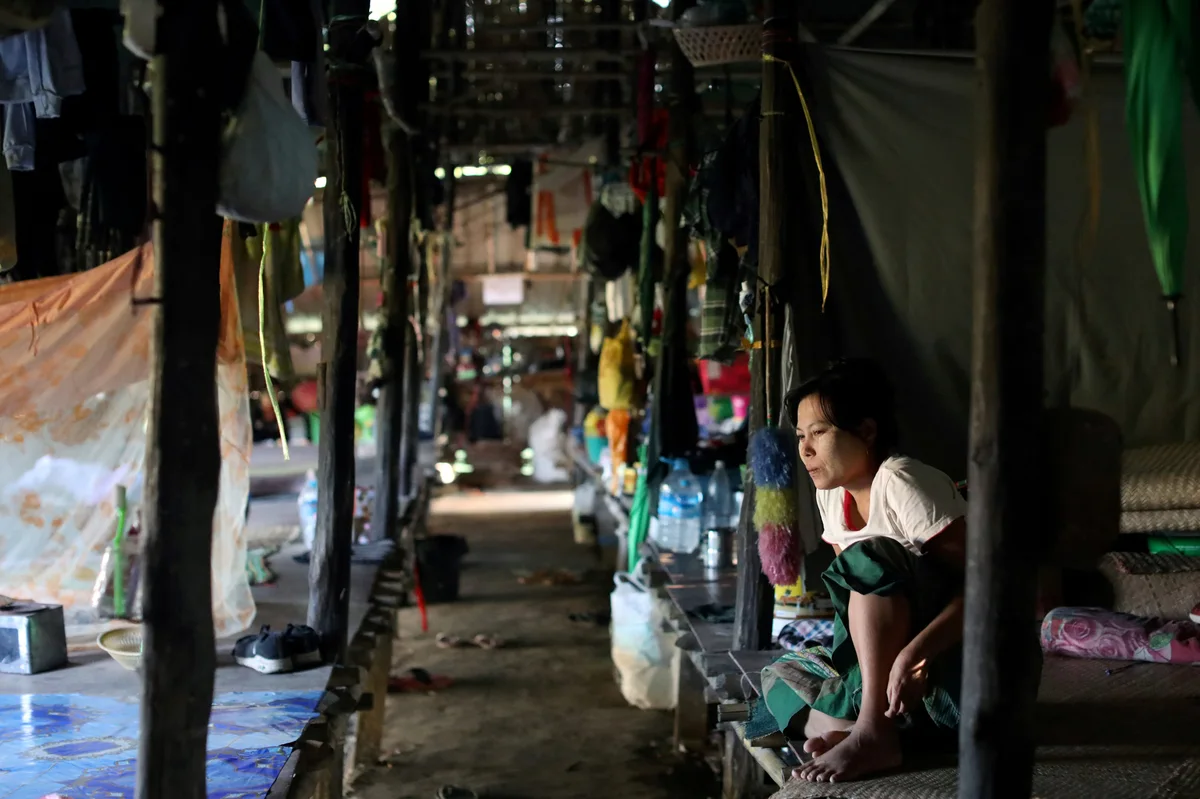
An attack on a busy market in western Myanmar on September 28, 2026, killed an estimated 50 people, marking the latest violence in a civil war that began in 2021.
The war has destroyed the health-care system, allowing diseases like cholera to spread. The international community has cut millions of dollars in aid to the country.
Early in the war, a coalition of anti-junta forces appeared to be winning, but with assistance from countries like Belarus, China, Iran, and Russia, the military has pushed back.
The junta's war crimes have been documented by rights organizations, including Amnesty International, Fortify Rights, and Human Rights Watch, which noted the use of airstrikes on civilians and civilian infrastructure.
The war has driven health-care providers out of the country or displaced them internally, leaving only about 3 doctors and health providers per 10,000 people, down from 18 before the coup.
The lack of health care has enabled the spread of infectious diseases across the borders with Bangladesh, India, and Thailand, threatening the broader region.
Myanmar suffered a cholera outbreak in 2024 and 2025, and a new outbreak has emerged, highlighting the need for urgent action to address the crisis.
Key facts
- An estimated 50 people were killed in a market attack on September 28, 2026.
- The war has destroyed Myanmar's health-care system, allowing diseases like cholera to spread.
- The international community has cut millions of dollars in aid to the country.
- The junta's war crimes have been documented by rights organizations.
Three perspectives
Neutral
The situation in Myanmar is complex, with multiple factors contributing to the crisis. The international community's response will be crucial in addressing the humanitarian needs. A balanced approach is necessary to resolve the conflict.
Positive
The documentation of war crimes by rights organizations is a step towards accountability. The international community can work together to provide aid and support to the affected populations. A constructive approach can help mitigate the crisis.
Negative
The junta's actions have led to devastating consequences, including the spread of diseases and displacement of health-care workers. The international community's inaction has exacerbated the crisis. A critical examination of the response is necessary to prevent further harm.
Your week in news, every Wednesday
The biggest stories of the week for your edition, in your inbox every Wednesday morning, your time. Free, and you can unsubscribe at any time.