

Beehives act as living immune systems for colonies, study finds
Researchers at the University of Sydney found that hive structures use antimicrobial substances to protect bees and offspring from disease.
 Science Desk 2 min read
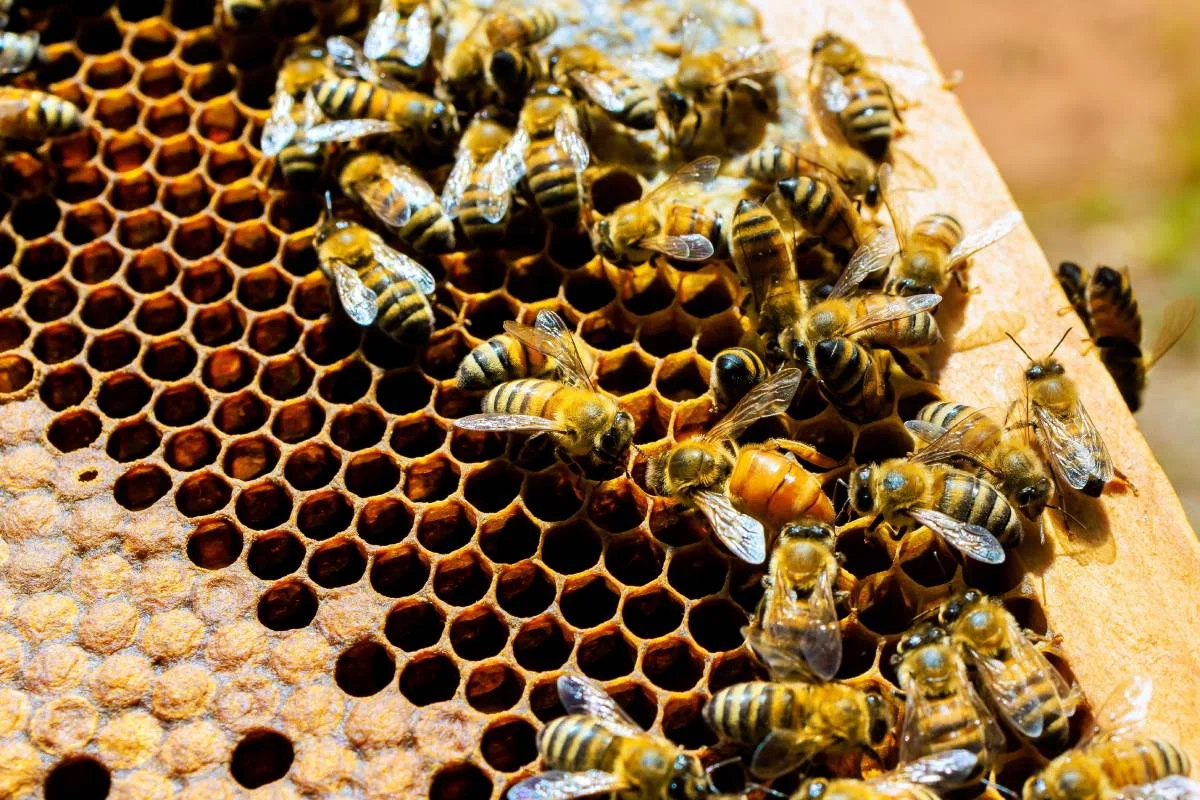
Beehives function as living immune systems that protect inhabitants from bacteria and disease, according to a 2026 study by researchers at the University of Sydney, Australia.
The research team, led by microbiologist and bee expert Kenya Fernandes, found that hives protect bee colonies, their offspring, and food supplies.
Substances such as honey, beeswax, and propolis possess antimicrobial properties and work together to protect larvae and fermented pollen.
Defenses are stronger in areas exposed to the outside environment due to high levels of bioactive compounds like flavonoids and hydrogen peroxide.
As researchers move closer to the hive center, antimicrobial defenses become more targeted, using wax comb, stored pollen, and the bees' own bodies to filter harmful species while encouraging helpful ones.
The study found that hive defenses are more strongly tuned to protect against bacteria than fungi, likely because bees invest more heavily against bacterial threats like American foulbrood.
A hive's ability to protect a colony depends on the availability of quality resources in the surrounding environment.
Land clearing and intensive farming could erode the natural defenses of bees by shrinking healthy ecosystems.
Elizabeth Frost, a technical specialist for bees at the New South Wales Department of Primary Industries and Regional Development, said landscapes with diverse plant species can increase the chances of bees being resilient to disease.
Key facts
- Beehives act as highly engineered, living immune systems for bee colonies.
- Honey, beeswax, and propolis provide antimicrobial protection for eggs and larvae.
- Hive defenses are more strongly tuned against bacteria than fungi.
Three perspectives
Neutral
The study shows that beehives function as workplaces, restaurants, and immune systems for bee colonies.
Positive
Diverse flowering habitats can support healthy hives and increase bee resilience to disease.
Negative
Land clearing and intensive farming may erode the natural defenses of bees.
Your week in news, every Wednesday
The biggest stories of the week for your edition, in your inbox every Wednesday morning, your time. Free, and you can unsubscribe at any time.