

African nations trail 30 by 30 conservation target
As delegates meet for COP17 in Armenia, African countries have secured 19.9% of terrestrial and 17.2% of marine areas, according to a tracker.
 Climate Desk 3 min read
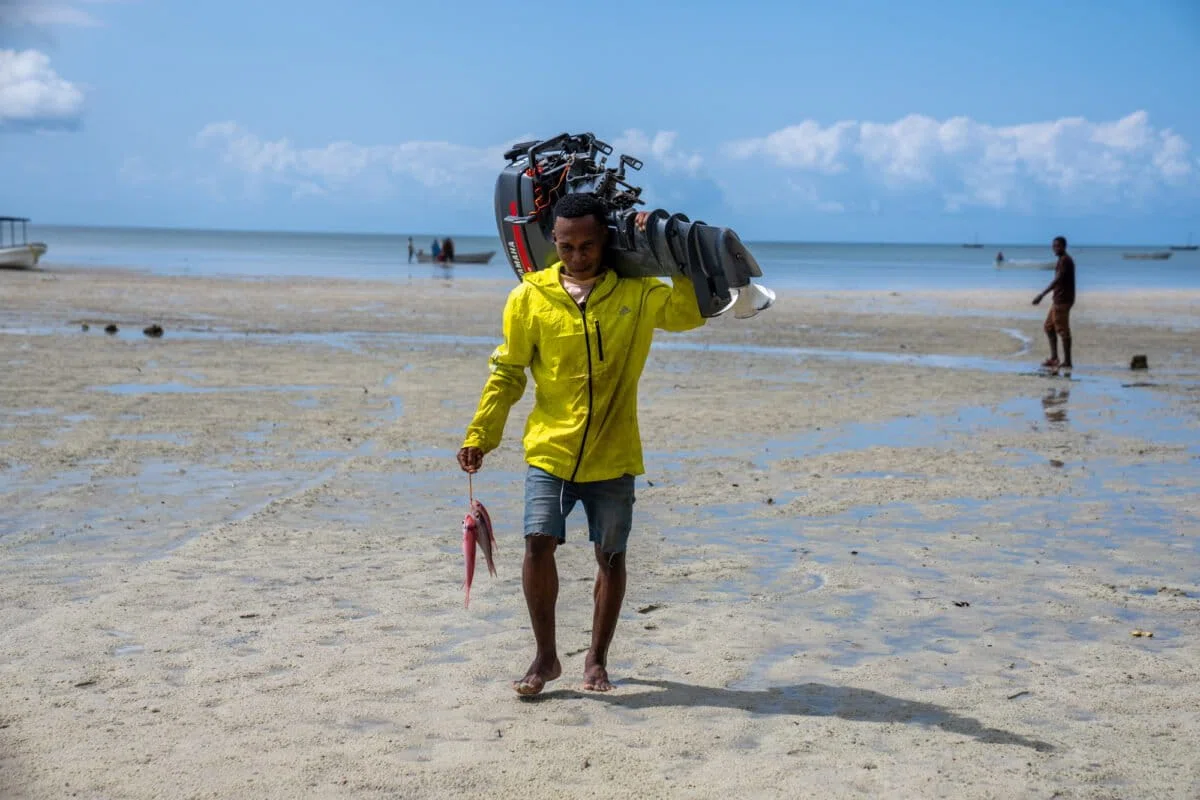
African countries had secured 19.9% of terrestrial and 17.2% of marine areas as of October 2026. This coverage is a tick above the global coverage of 18.7% of land and 10% of marine landscapes. As delegates from around the world gather in Yerevan, Armenia, for the 17th Conference of Parties to the U.N. Convention on Biological Diversity from Oct. 19 to 30, it seems unlikely that the 30 by 30 target will be met.
The 30 by 30 goal aims to bring at least 30% of the world’s terrestrial, inland water, coastal and marine ecosystems into effective conservation and equitable management by 2030. Daniel Marnewick, a conservation expert with the IUCN, said the objective is not simply to reach 30% on paper, but to secure biodiversity, strengthen ecological resilience, and build conservation approaches that are socially legitimate, locally grounded, and sustainable.
Competing economic demands create obstacles to conservation. In Ghana, gold mining has grown increasingly important to the economy, and a 2022 legislative order made it easier to approve mining in critically biodiverse areas, though the law was revoked in 2025. An Earth Insight report from October stated that 8% of terrestrial protected land in the Amazon, Central America, the Congo Basin and Southeast Asia is overlapped by an oil and gas block, while mining concessions overlap with 7%.
In Liberia, the proposed Kwa National Park faces challenges from a boom in cacao production. The park would cover around 1,720 square kilometers of rainforest in Grand Gedeh county, home to endangered species like western chimpanzees. While commercial farming is banned in Kwa, plantations are expanding in community-controlled forests surrounding the would-be park, and some growers are creeping in.
Marnewick said conservation must be designed with the people who will live with its consequences. He noted that traditional fences and fines approaches often deprive members of local communities who rely on a forest or fishery for food and income. A project between 2018 and 2021 near Cameroon’s Dja Faunal Reserve used reciprocal environmental agreements to offer hunters technical support for cacao or fishing in exchange for reducing the time they spent hunting bushmeat to sell.
Those who signed the agreements improved their farming income and hunted significantly less. Jacob Willie, a research coordinator at Antwerp Zoo, said such agreements can convert the individual into a conservation advocate. Marnewick also suggested planning on a larger scale, such as the KAZA-TFCA, which provides a framework to manage 520,000 km2.
Key facts
- African countries secured 19.9% of terrestrial and 17.2% of marine areas as of October 2026.
- The 30 by 30 goal aims to protect 30% of the world's ecosystems by 2030.
- In the Amazon, Central America, the Congo Basin and Southeast Asia, 8% of terrestrial protected land overlaps with oil and gas blocks.
Three perspectives
Neutral
As of October 2026, African countries have secured 19.9% of terrestrial and 17.2% of marine areas.
Positive
A project near Cameroon’s Dja Faunal Reserve showed that reciprocal environmental agreements can improve farming income and reduce bushmeat hunting.
Negative
Competing demands from agriculture, infrastructure, energy, and mining put pressure on land and natural resources.
Your week in news, every Wednesday
The biggest stories of the week for your edition, in your inbox every Wednesday morning, your time. Free, and you can unsubscribe at any time.