 Australia
Bracket creep hits minimum wage and top earners hardest
New analysis shows workers earning about $45,000 and $190,000 are penalised most as tax brackets fail to move with inflation.
 Politics Desk 3 min read
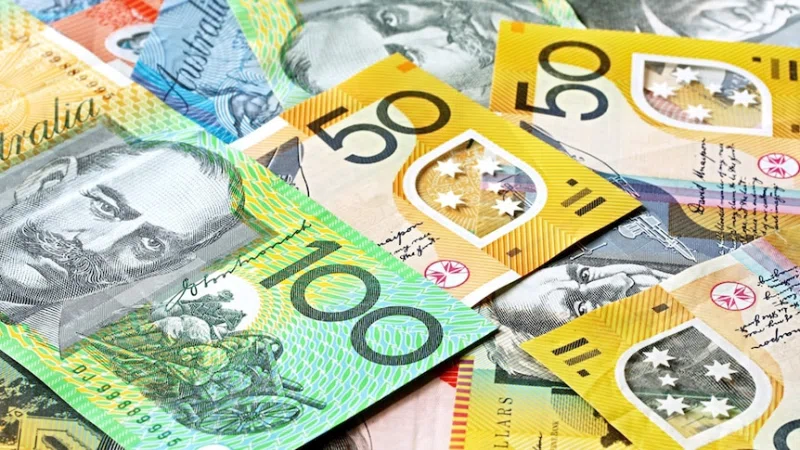
Workers earning about $45,000 and those earning about $190,000 are penalised the most by bracket creep, according to new research. This phenomenon occurs because tax brackets do not move with inflation, causing people to creep into higher brackets. The analysis by the e61 Institute and economist Richard Holden found these groups are hit hardest because their incomes are on the cusp of higher brackets.
Over a decade from 2028, someone currently earning $45,000 would face an increase of more than five percentage points in their average tax rate. This level is close to the full-time minimum wage, though many part-timers also earn in this range. For those currently earning $190,000, the average tax rate would increase by more than four percentage points over the same period.
In both cases, more than half of a person's real income growth would be taxed. While these two groups are the worst affected, the vast majority of taxpayers would face a hike of at least two percentage points and see at least a quarter of their real income growth taxed. e61 chief executive Michael Brennan said taxing workers more without explicit policy change is neither an equitable nor a credible mechanism for raising revenue.
The federal opposition has promised to index income tax brackets to inflation to end bracket creep. Opposition Leader Angus Taylor pledged this would be phased in over two years from 2028, with the cost paid back to taxpayers as a lump sum at the end of each tax year based on inflation. The opposition said the cost could be met by cuts to Labor's climate and housing policies, industry subsidies, and by scrapping the $250 tax offset for wage earners.
Economist Saul Eslake said he supported the idea of indexing brackets in principle but was doubtful spending could be cut to offset it. He noted that public demand for aged, disability, and health care, alongside bipartisan consensus on defence spending and rising interest costs, would make balancing the budget difficult. Labor has accused the Coalition of being forced into unspecified and damaging spending cuts to fund its plans.
Key facts
- Workers earning $45,000 and $190,000 are the hardest hit by bracket creep.
- The federal opposition has pledged to index tax brackets to inflation starting in 2028.
- Without bracket creep, the Parliamentary Budget Office says the budget would have a deficit of 0.7 per cent of GDP by the end of the decade.
Three perspectives
Neutral
Tax bracket creep occurs when thresholds do not move with inflation, resulting in taxpayers paying higher rates over time.
Positive
The federal opposition has proposed indexing tax brackets to inflation to end bracket creep.
Negative
New analysis shows people earning about $45,000 and $190,000 are penalised the most by bracket creep.
Your week in news, every Wednesday
The biggest stories of the week for your edition, in your inbox every Wednesday morning, your time. Free, and you can unsubscribe at any time.