

 Saint Vincent and the Grenadines
HIV Medicine Shortage Hits Globally
International groups sound the alarm as healthcare providers run out of HIV medicines due to US foreign aid cuts. Over half of surveyed organizations reported shortages in the last year.
 Global Newsflix 2 min read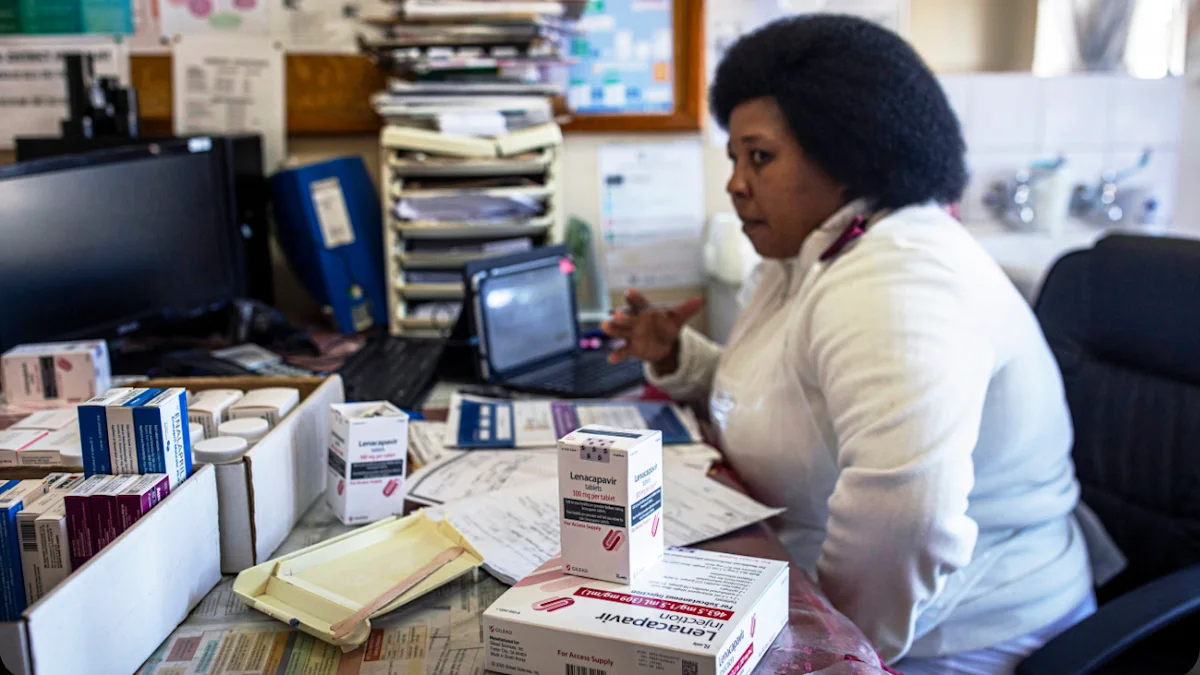
Healthcare providers worldwide are facing a shortage of HIV medicines due to US foreign aid cuts, according to a survey by the International Planned Parenthood Foundation. The foundation found that more than half of its member organizations had run out of certain HIV medicines or resources in the last year.
The survey included 40 of the foundation's 102 member associations globally and found that HIV test shortages were the most common form of shortage among respondents. Barriers to accessing condoms and pre-exposure prophylaxis, or PrEP, were also widely observed.
The United States has historically played a major role in funding HIV prevention and treatment abroad through programs like PEPFAR, the President's Emergency Plan for AIDS Relief. However, President Donald Trump has scaled back funding for international aid programs, including successful HIV care programs.
The funding cuts have reduced access to resources for millions of people who depended on the programs globally, according to UNAIDS. Last year marked the biggest hit in government funding of HIV care in low- and middle-income countries, with a 25 percent decrease in funding between 2024 and 2025.
In response to the survey, the International Planned Parenthood Foundation announced it would provide $600,000 in emergency funding to meet supply gaps in affected countries. The foundation identified several countries, including Saint Vincent and the Grenadines, as medium priority for funding.
The foundation's emergency funding will help address the immediate shortages, but the long-term impact of the US foreign aid cuts remains a concern. The loss of funding has reduced access to resources for millions of people who depended on the programs globally.
UNAIDS and the health policy research nonprofit KFF reported that the funding for HIV care in low- and middle-income countries fell by $2.1 billion between 2024 and 2025. The International Planned Parenthood Foundation's survey highlights the need for continued support for HIV prevention and treatment programs worldwide.
Key facts
- Over half of surveyed organizations reported shortages of HIV medicines or resources in the last year.
- HIV test shortages were the most common form of shortage among respondents.
- The US has scaled back funding for international aid programs, including successful HIV care programs.
- The funding cuts have reduced access to resources for millions of people who depended on the programs globally.
Three perspectives
Neutral
The shortage of HIV medicines is a concern for global health, and the International Planned Parenthood Foundation's emergency funding will help address the immediate shortages. However, the long-term impact of the US foreign aid cuts remains a concern. The situation will be closely monitored by health organizations worldwide.
Positive
The International Planned Parenthood Foundation's emergency funding will provide much-needed support to affected countries, including Saint Vincent and the Grenadines. The foundation's efforts will help ensure continued access to HIV prevention and treatment programs worldwide.
Negative
The US foreign aid cuts have had a devastating impact on global health, reducing access to resources for millions of people who depended on the programs. The shortage of HIV medicines is a stark reminder of the need for continued support for HIV prevention and treatment programs worldwide.
Your week in news, every Wednesday
The biggest stories of the week for your edition, in your inbox every Wednesday morning, your time. Free, and you can unsubscribe at any time.