 New Zealand
 faces political deadlock after tight general election
National and Labour remain in a stalemate as the Opportunity Party emerges as a potential decider in the race for government.
 Politics Desk 2 min read
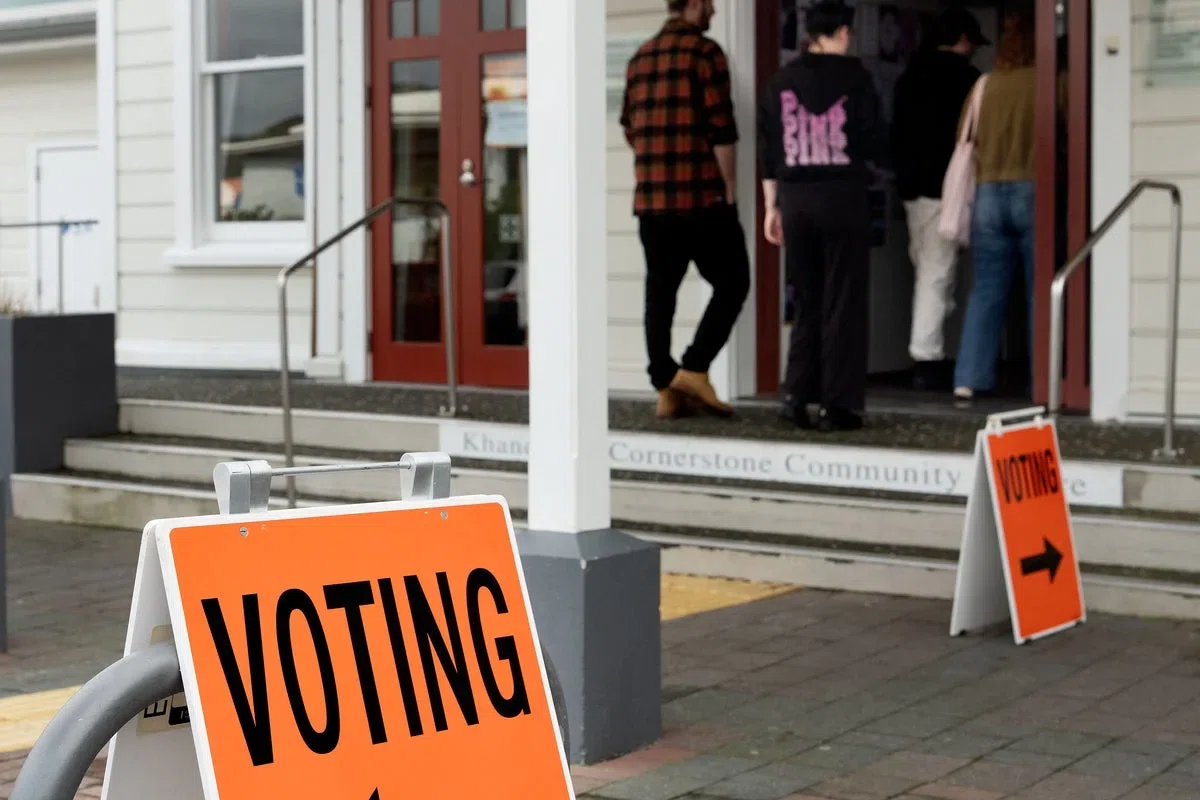
The ruling National Party and its coalition partners, ACT New Zealand and New Zealand First, are projected to hold 67 seats in a 131-seat Parliament, which is just one above the 66 required for a majority. However, approximately 399,365 special votes, including ballots cast overseas, remain outstanding.
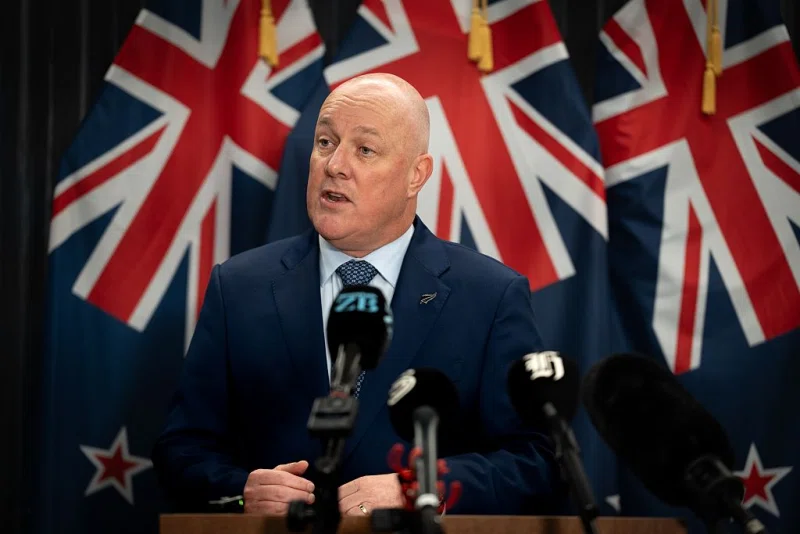
The centrist Opportunity Party, led by political newcomer Qiulae Wong, is projected to enter Parliament for the first time after securing 5.96 per cent of the party vote. With seven seats projected, the party could play a decisive role in determining the next government. Labour leader Chris Hipkins and Green Party co-leader Chloe Swarbrick have contacted Wong, while Prime Minister Christopher Luxon has also indicated he intends to speak with her.
Preliminary results show Labour received 29.36 per cent of the party vote, narrowly ahead of National's 29.21 per cent. Despite this slight advantage in the popular vote, National's coalition partners have given the governing bloc a provisional parliamentary majority. The opposition grouping of Labour, the Greens, and Te Pāti Māori is projected to hold 57 seats. The Greens are projected to hold 16 seats, ACT 13, New Zealand First 12, and Te Pāti Māori five seats.
The election followed periods of voter disillusionment regarding a sluggish economy and ageing infrastructure. Household budgets remained strained and unemployment rose to about 6 per cent in the third quarter, the highest in New Zealand in over a decade. The political uncertainty also follows the electoral defeat of Finance Minister Nicola Willis.
Formal coalition negotiations are expected to wait until these final tallies are confirmed. Until a new government is formed, Christopher Luxon will remain Prime Minister in a caretaker capacity.
Key facts
- National and its coalition partners hold a provisional 67 seats, one more than the 66 needed for a majority.
- Approximately 399,365 special votes remain to be counted.
- The Opportunity Party is projected to win seven seats with 5.96 per cent of the party vote.
- Official final results are due on 27 November.
Three perspectives
Neutral
The election has left New Zealand's two major political parties closely matched, with the final parliamentary balance depending on nearly 400,000 outstanding special votes.
Positive
The Opportunity Party's parliamentary breakthrough introduces a new centrist voice into the political process.
Negative
The narrow margins and pending special votes mean the country faces weeks of political uncertainty.
Your week in news, every Wednesday
The biggest stories of the week for your edition, in your inbox every Wednesday morning, your time. Free, and you can unsubscribe at any time.