

 Sri Lanka
Aryadeva
Āryadeva was a Mahayana Buddhist monk, a Madhyamaka philosopher, and a disciple of Nagarjuna.
 Biography DeskOctober 17, 2026
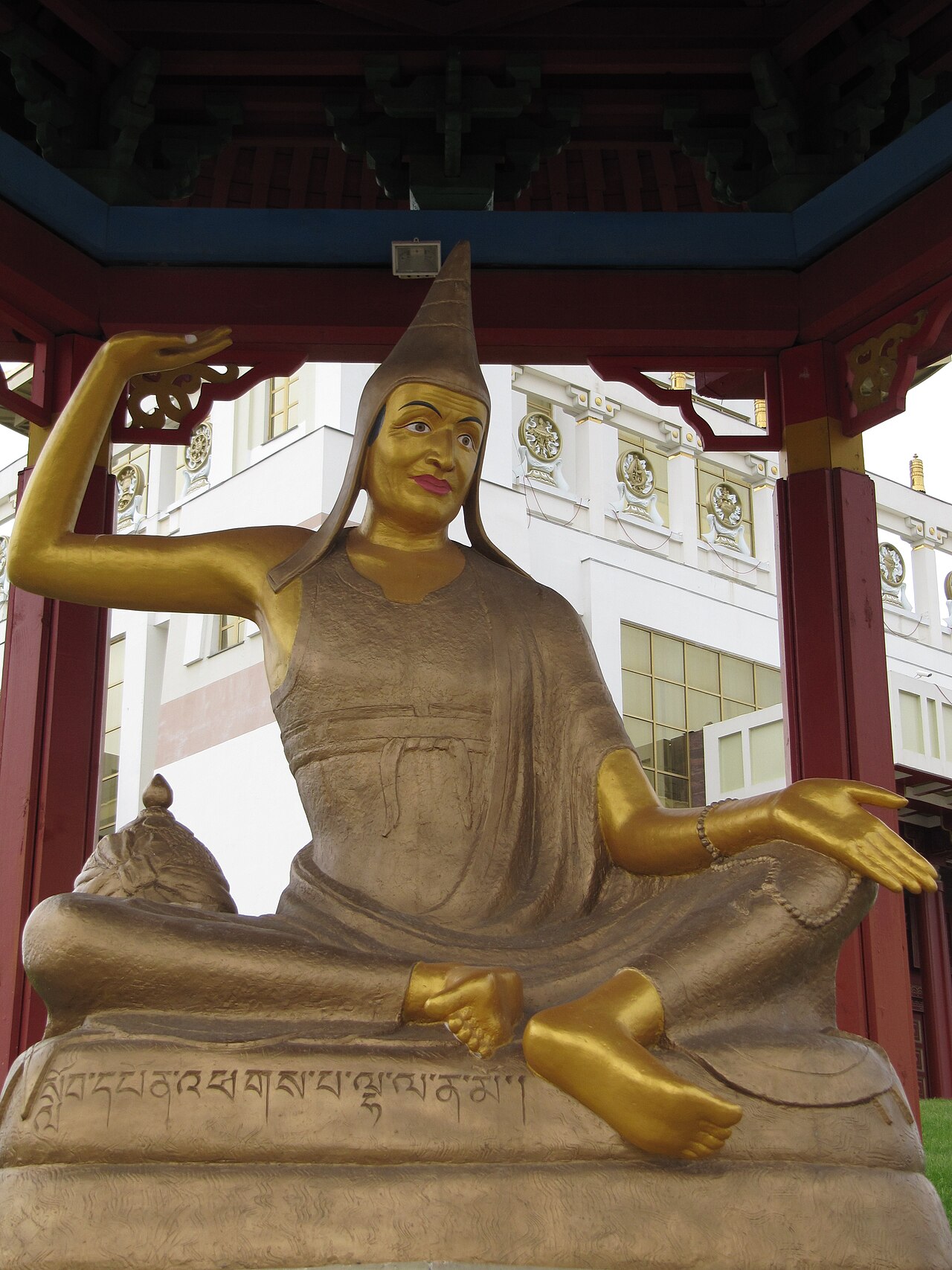
Āryadeva was a Mahayana Buddhist monk and a Madhyamaka philosopher. He was a disciple of Nagarjuna and is considered the next most important figure of the Indian Madhyamaka school after Nagarjuna.
Most sources agree he was from Siṃhala, which some scholars identify with Sri Lanka. The 7th century writer Xuanzang reports that Āryadeva came to south India from the island of Simhala due to compassion for ignorant people.
He was born into a Brahmin family in south India and became the spiritual son of Nagarjuna. He studied at the Nalanda monastery in modern-day Bihar, India, and became a student of Nagarjuna who was skilled in debate.
Nagarjuna helped Āryadeva prepare for debates against Brahmanical teachers. Āryadeva went to Vaisali and defeated all his opponents in less than one hour.
One student of a defeated teacher murdered Āryadeva in the forest where he had retired to write. The dying Āryadeva forgave the man and converted him to Buddhism through a discourse on suffering.
His main work is the Catuḥśataka, also known as the Four Hundred Verses. This sixteen chapter treatise is available in fragmentary Sanskrit, a full Tibetan translation, and a Chinese translation of the second part by Xuanzang.
Other works attributed to him include the Śataśāstra and the Dvādaśamukhaśāstra, both translated by Kumārajīva in the 4th century. He is also recognized as Kanadeva, the 15th patriarch in Chan/Zen Buddhism.
Key facts
- Āryadeva was a disciple of Nagarjuna and a Madhyamaka philosopher.
- He is believed to have originated from Siṃhala.
- His primary work is the Catuḥśataka or Four Hundred Verses.
- He is recognized as the 15th patriarch in Chan/Zen Buddhism as Kanadeva.