

 Canada
AI framework helps evaluate lunar landing sites
The LUMINA model can identify hazards and geologic features to assist mission planners in finding resources like water ice.
 Space Desk 2 min read
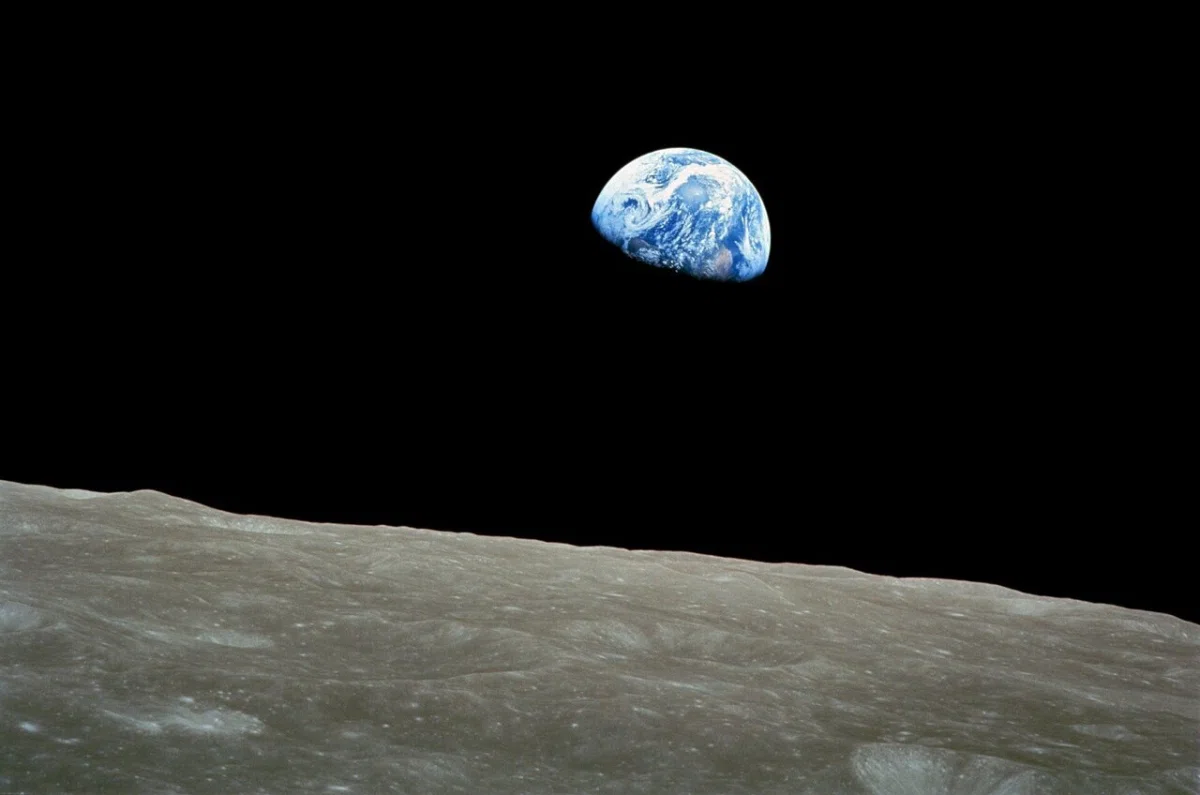
An artificial intelligence framework designed to evaluate potential lunar landing sites was presented this month at the 58th Annual Meeting of the Division for Planetary Sciences of the American Astronomical Society.
The model, named LUMINA, can identify dangerous hazards for future crews and search new regions for scientifically valuable geologic features.
LUMINA is built on a lunar vision-language foundation model called LLaVA-LE, which can describe lunar terrain and answer scientific questions.
The system can plan and carry out multistep analyses, evaluate landing sites, and explain the evidence behind its recommendations.
Gokce Inal, a Ph.D. candidate at The Ohio State University, developed the framework to serve as a decision-support system that works alongside mission planners rather than as a semiautonomous machine.
Co-author Alper Yilmaz, a professor at Ohio State, said the model could be used for mapping other planetary bodies, such as Mars or asteroids, and could help search advanced data sets for landing locations.
Key facts
- The model can generate scientifically meaningful mission commentary for candidate landing sites.
- LUMINA is built on the LLaVA-LE lunar vision-language foundation model.
Three perspectives
Neutral
The LUMINA model is designed to work in tandem with mission planners to assist in evaluating lunar terrain and resources.
Positive
The system could help mission planners locate areas abundant with water ice and other resources.
Negative
Landing on the moon is more difficult today than it ever was.
Your week in news, every Wednesday
The biggest stories of the week for your edition, in your inbox every Wednesday morning, your time. Free, and you can unsubscribe at any time.