Global
Space
Astronomers capture a star merging with its giant companion in Andromeda
The seven-year infall of a smaller star into a red giant, dubbed AT 2025abao, was followed in full, with the eruption in late 2025.
 Space
The seven-year infall of a smaller star into a red giant, dubbed AT 2025abao, was followed in full, with the eruption in late 2025.
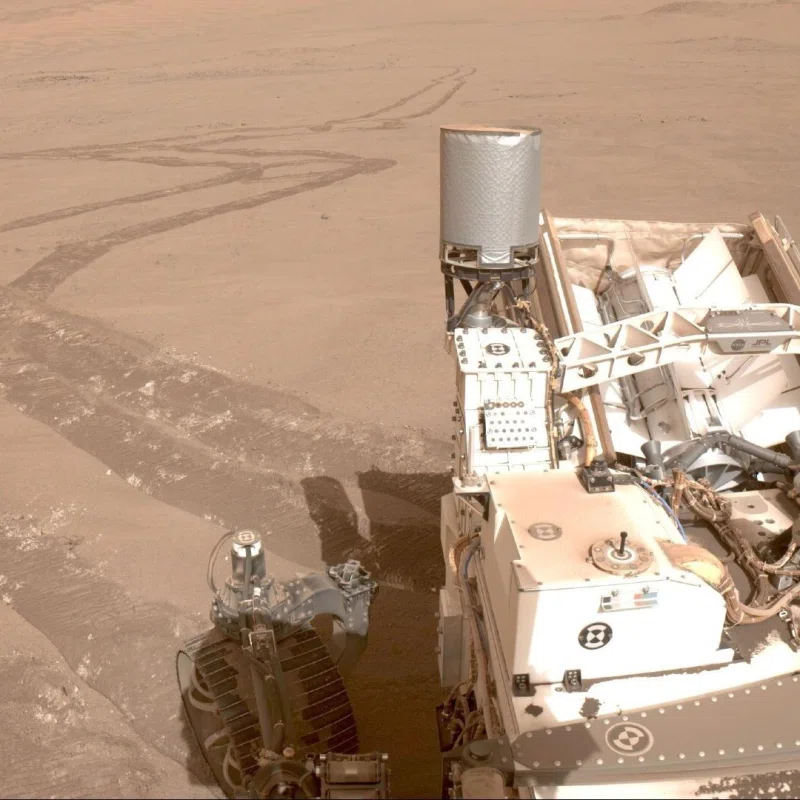
The rover's primary radio stopped sending heartbeat signals on Oct. 30, while Odyssey has a stopped reaction wheel.
The white dwarf's radio pulses arrive every 7.9 minutes, and it is the first such object found with a Sun-like companion.
Physicists at UBC and the University of Sheffield say quantum chromodynamics could account for dark energy without new particles.
The unpiloted Dragon is due to splash down off California on Saturday, Nov. 21, after a weather stand-down earlier in the week.
The European–Japanese mission is due to fire its thrusters and enter orbit around the planet closest to the sun.
NASA's Voyager 1 is now one light-day, about 16.1 billion miles, from Earth, and its signal took 24 hours to arrive.
The method found the pulsar PSR J1622−7204 using about 10 hours of computing on a standard processor.
Researchers at Oregon State University say potatoes can complete their life cycle in simulated lunar regolith when supplemented with vermicompost.
Researchers say the rare event, observed in a binary system 2.5 million light-years away, is the first recorded case of a dying star merging with its companion.
The deep-space probe continues its journey through space nearly half a century after its 1977 launch.
The anomaly occurred 10 minutes after liftoff from Florida, marking the first total mission failure in the history of United Launch Alliance.
The discovery, made using data from the Euclid space telescope, provides a massive new collection of tools to study dark matter and dark energy.
The upper-stage vessel was captured by mechanical arms at Starbase, marking the first time a Starship has been caught after returning from space.
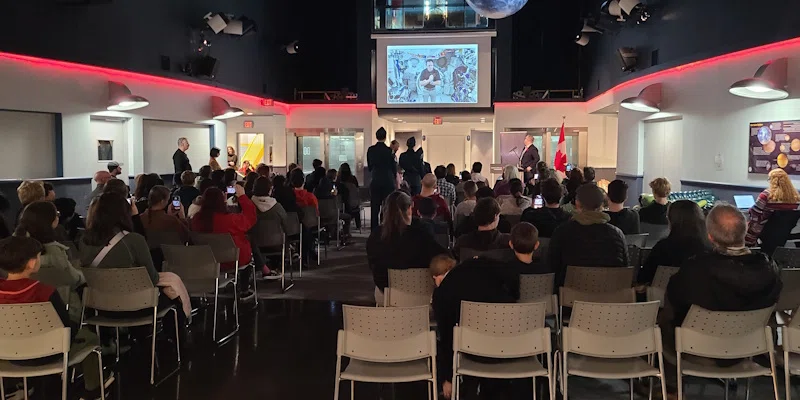
Students at École Secondaire du Sommet used ham radio to connect with the Canadian astronaut during a 10-minute window as the International Space Station passed overhead.
 Japan
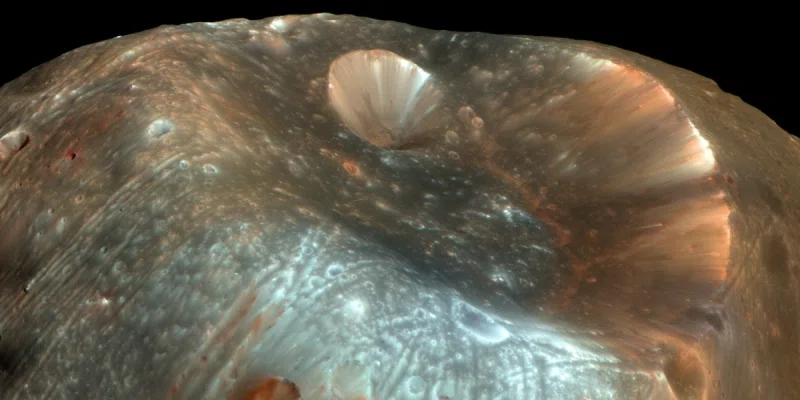
The Martian Moons Exploration mission aims to collect soil samples from Phobos to determine if the moon formed from asteroid capture or a giant impact on Mars.
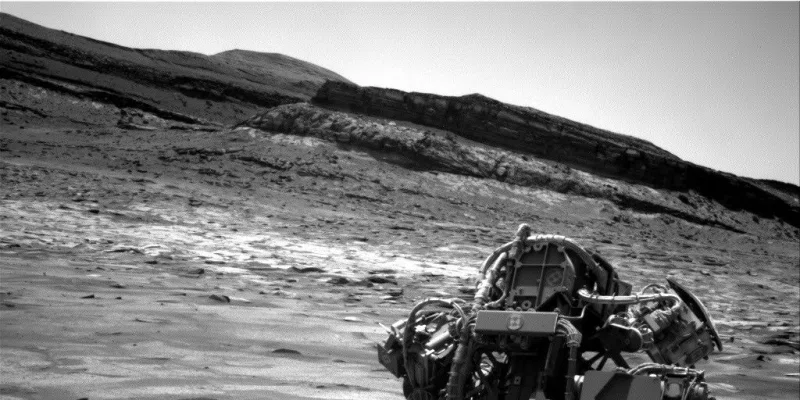
NASA-JPL engineers tested running CheMin data activities simultaneously with orbiter communications to save power as the rover's output decreases.
The April 2026 mission created three distinct disturbances in Earth's ionosphere that could potentially disrupt GPS and communications.
An Ottawa-based satellite company is helping to strengthen defence capabilities and reduce reliance on foreign technology.
The U.S. Space Force predicts the Swift Observatory will come crashing down on or around Friday.
The agency issued a Request for Information to explore ways to boost the telescope to a higher altitude or enhance its capabilities before its anticipated re-entry.
NASA's telescopes have observed a dynamic scene in the Carina Nebula, where a dust pillar resembles a cat sitting with its back to the viewer.
The LUMINA model can identify hazards and geologic features to assist mission planners in finding resources like water ice.
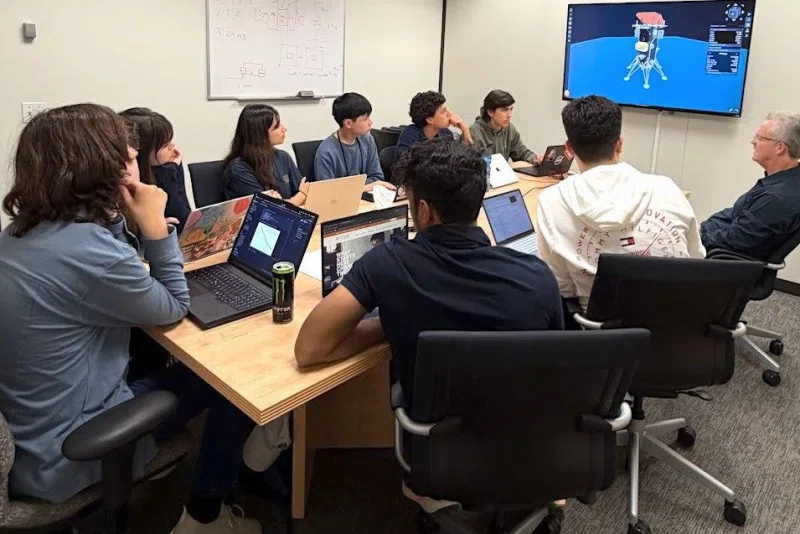
The MATRIX team used public data to predict when Modal Propellant Gauging can take reliable readings during the Intuitive Machines IM-3 mission.
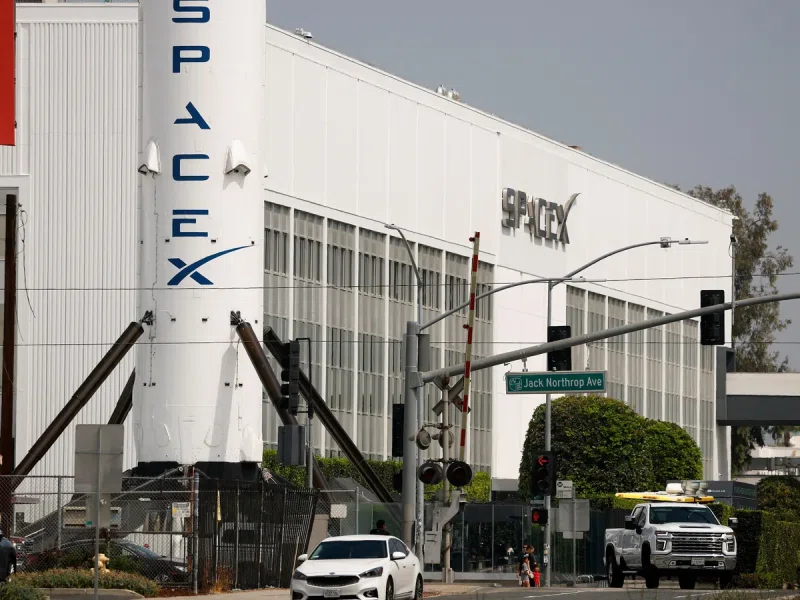
The contract gives SpaceX access to the High Accuracy Catalog, raising concerns about monopoly control over space traffic coordination.
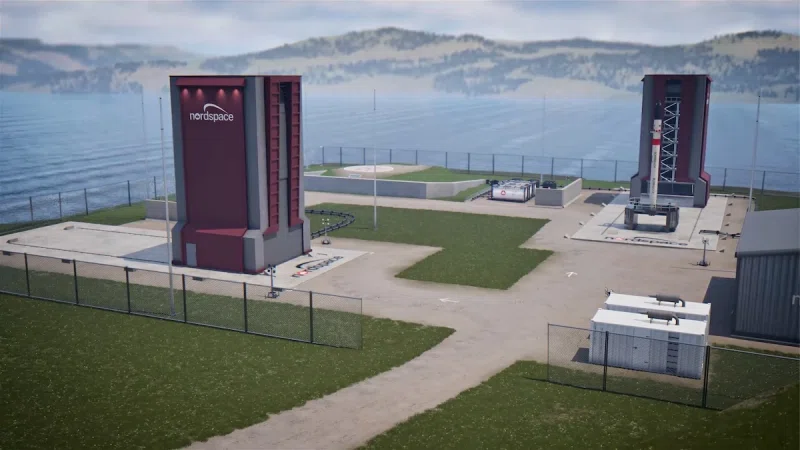
The government awarded C$20 million to NordSpace for launch access and C$4.7 million to Kepler Communications for Arctic satellite links.
Over 800GB of data from the Artemis II mission is now available online. The mission has yielded strange sights, including 'swamp-like colors' on the moon.
Astronomers have discovered a second-generation planet candidate accreting onto a white dwarf, likely formed from material ejected during the star's death throes. The planet's atmosphere is enriched with trans-iron elements, including niobium, zinc, and copper.
Four astronauts, including Canada's Joshua Kutryk, arrive at the International Space Station after launching on October 1. The crew's arrival marks the start of a busy handoff period at the station.