Science
Scientists propose cause for billion-year gap in Earth's geologic record
Computer simulations suggest mantle movements uplifted ancient continents, allowing ice sheets to erode away missing rock layers.
 Science
Computer simulations suggest mantle movements uplifted ancient continents, allowing ice sheets to erode away missing rock layers.
A study published in Science Translational Medicine shows that timed bursts of noise can strengthen cerebrospinal fluid flow in healthy adults.
 South Africa
The newly identified Nyana rooiwalensis was a large juvenile sauropodomorph that lived during the Late Triassic epoch.
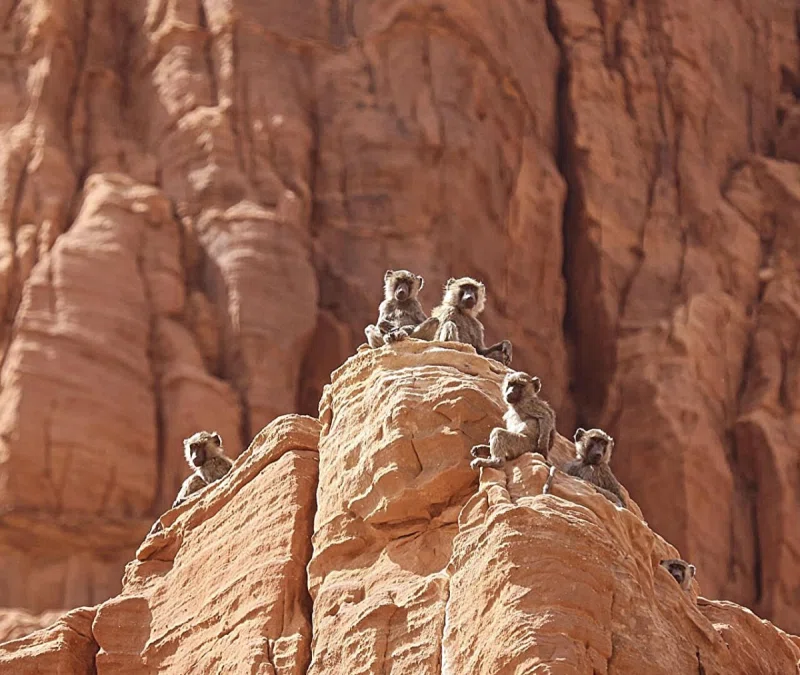
 Chad
Researchers say skull punctures and shoulder marks on adult male baboons in Chad's Ennedi plateau point to Verreaux's eagle attacks.
While viruses are usually associated with making people sick, some could hunt down and kill harmful bacteria.
Staff and volunteers at a wildlife centre are noticing the highly contagious infection in wild birds this season.
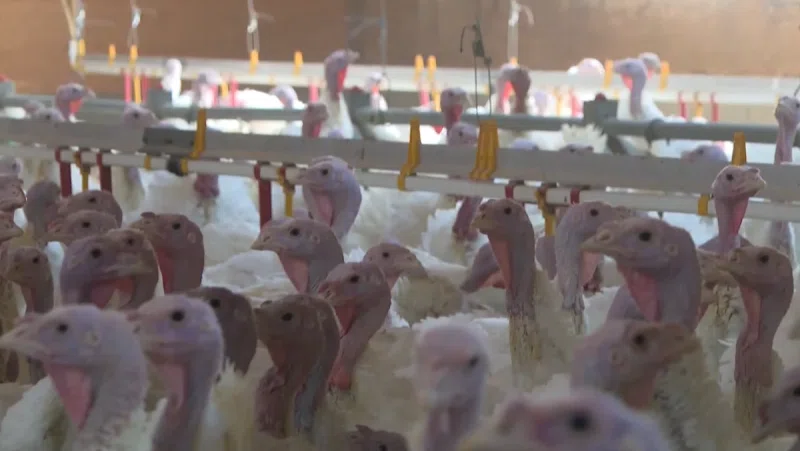
The small, turkey-sized Infernogallus jamesi possessed specialized chewing muscles for mashing soft food, according to researchers.
Researchers from the U.S. and Germany have been awarded the Nobel Prize in medicine for their work in optogenetics, which involves lighting up the brain. The prize recognizes their advancements in neuroscience.
Astronomers have discovered a second-generation planet candidate accreting onto a white dwarf, likely formed from material ejected during the star's death throes. The planet's atmosphere is enriched with trans-iron elements, including niobium, zinc, and copper.
Four astronauts, including Canada's Joshua Kutryk, arrive at the International Space Station after launching on October 1. The crew's arrival marks the start of a busy handoff period at the station.