

 Canada
Space Force grants SpaceX access to precise satellite collision data
The contract gives SpaceX access to the High Accuracy Catalog, raising concerns about monopoly control over space traffic coordination.
 Space Desk 2 min read
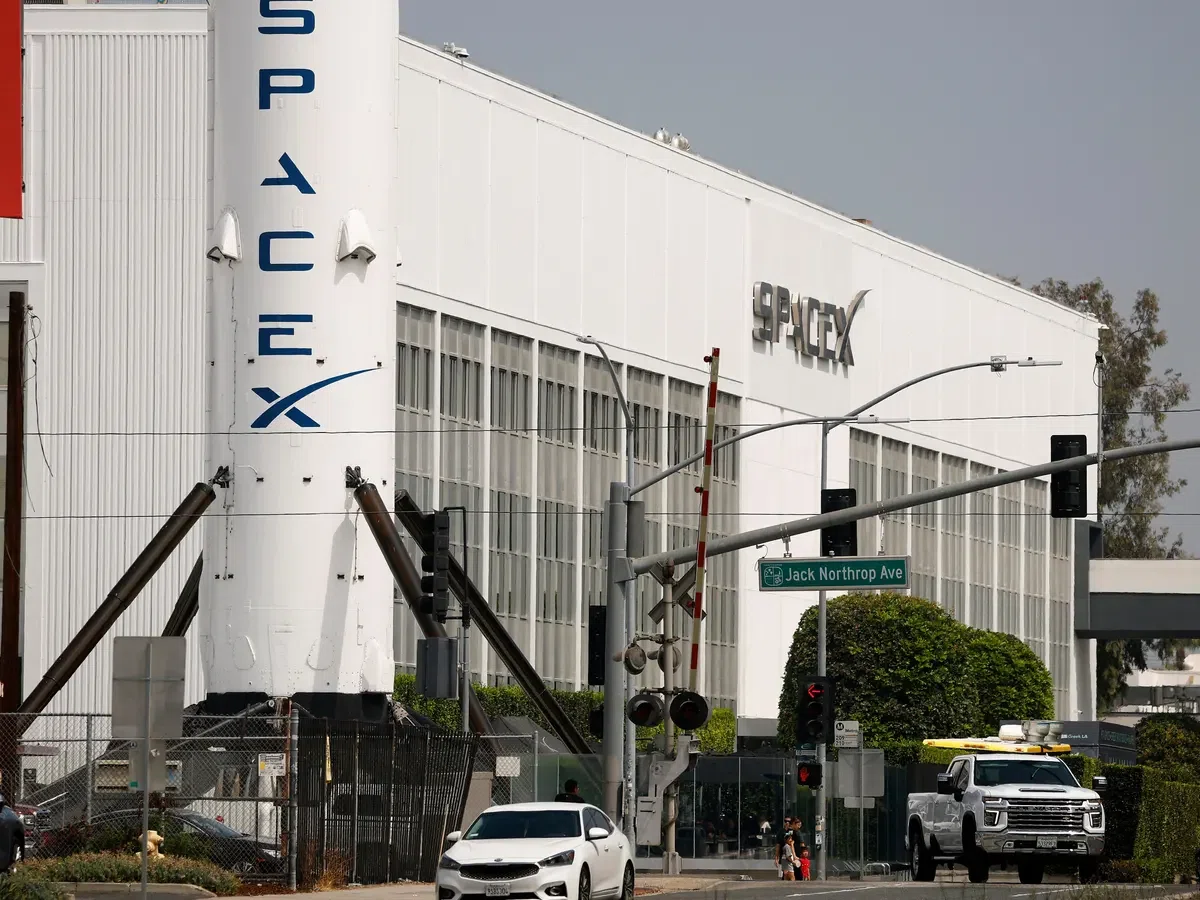
The US Space Force has signed a new contract granting SpaceX access to its most precise data on potential collisions among satellites and other space objects. This provides the company with enhanced access to the High Accuracy Catalog, which includes tracking data from military sensors, telescopes, and ground-based radars.
The data includes Vector Covariance Messages that track the paths of satellites and objects in lower orbit down to approximately 10cm in size. This information is valuable to Starlink, which uses its own Stargaze system of cameras and radars to track objects, though Stargaze can only see objects down to about a half meter.
Industry observers say the move gives Musk's companies an advantage over competitors offering similar services and could lead to SpaceX becoming the de facto source for space traffic coordination in the US. Cole Donovan, a former Traccs employee with the non-profit Stand Up for Science, said the access appears to be a step toward Musk asserting monopoly control over commercial space activity.
The military uses its radars and data to monitor other countries' satellite positions and to track commercial spacecraft to avoid collisions. This collision-avoidance responsibility was intended to be handed off to the Traffic Coordination System for Space, or Traccs, but the program has struggled with funding and staffing.
A spokesperson for the Space Force said the agency is engaging with several companies to exchange commercial data for access to controlled, unclassified information where it benefits the US government. A former National Oceanic and Atmospheric Administration official, speaking on condition of anonymity, said SpaceX has been remarkably responsive to space safety concerns and did not fault Starlink for entering a space the government failed to address.
The administration has twice attempted to financially gut Traccs, a $65m program. While the administration proposed slashing the budget to nearly zero for fiscal year 2027, the House has reinserted funding.
Key facts
- SpaceX and the Space Force signed a contract for access to the High Accuracy Catalog.
- The military data tracks objects in lower orbit down to 10cm in size.
- The administration has proposed reducing the Traccs budget to nearly zero for fiscal year 2027.
Three perspectives
Neutral
The Space Force is exchanging commercial data with companies for access to high accuracy catalogue information.
Positive
A former National Oceanic and Atmospheric Administration official stated that SpaceX has been remarkably responsive to space safety concerns.
Negative
Industry observers fear the move could allow SpaceX to assert monopoly control over commercial space activity.
Your week in news, every Wednesday
The biggest stories of the week for your edition, in your inbox every Wednesday morning, your time. Free, and you can unsubscribe at any time.