World's First Nuclear Clocks

Scientists in Vienna and Beijing have created the world's first nuclear clocks. These clocks are synchronized to 229Th.

World's First Nuclear Clocks
Photo: Devdiscourse

Scientists in Vienna and Beijing have created the world's first nuclear clocks.

These clocks are synchronized to 229Th.

This development marks a new achievement in nuclear clock technology.

Key facts

  • Scientists in Vienna and Beijing created the world's first nuclear clocks.
  • The clocks are synchronized to 229Th.
  • This is a new development in nuclear clock technology.

Three perspectives

Neutral

The creation of the world's first nuclear clocks is a significant development in nuclear technology. The clocks' accuracy and potential applications are being studied. Further research is needed to understand the full implications of this achievement.

Positive

The development of nuclear clocks could lead to breakthroughs in various fields, including physics and engineering. This achievement demonstrates the potential for international collaboration in scientific research. The clocks' high accuracy could lead to new discoveries and innovations.

Negative

The creation of nuclear clocks raises concerns about the potential risks and challenges associated with nuclear technology. The development of such clocks may have unintended consequences, and their impact on the environment and society needs to be carefully evaluated.

Your week in news, every Wednesday

The biggest stories of the week for your edition, in your inbox every Wednesday morning, your time. Free, and you can unsubscribe at any time.
Daily Quiz
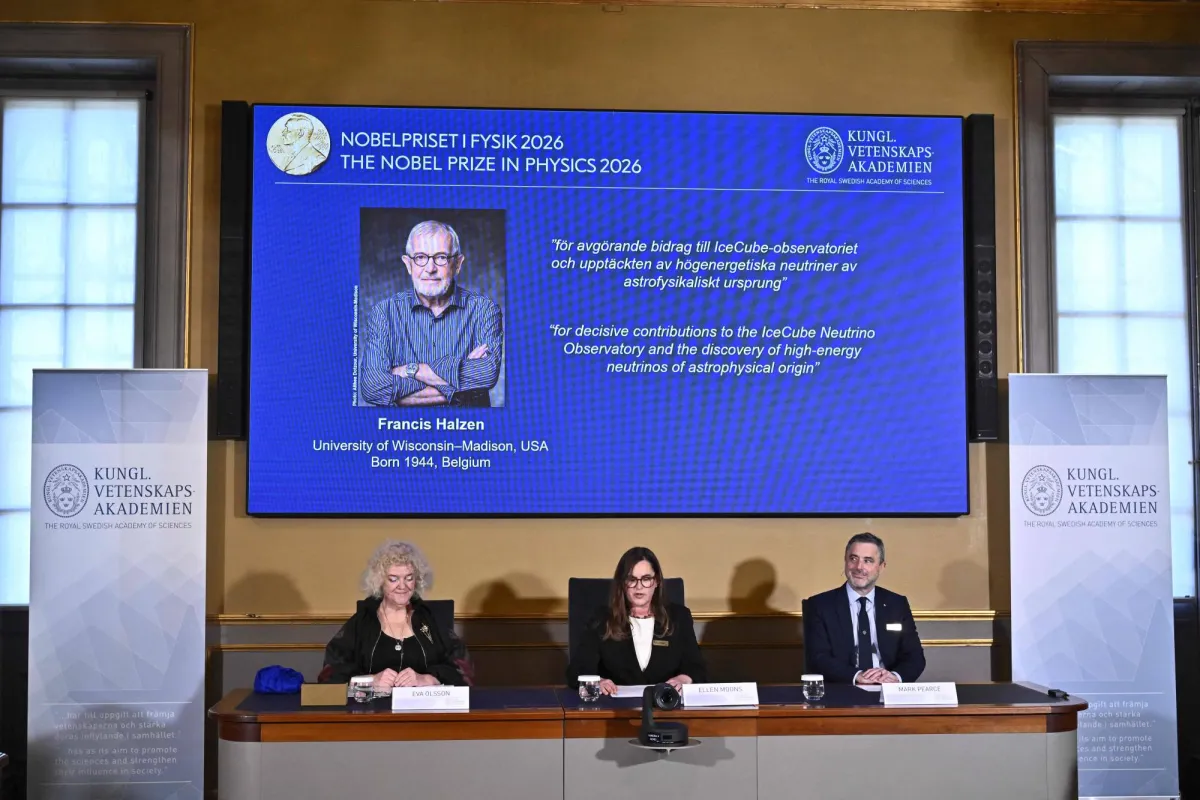
Next storyFrancis Halzen Wins Nobel Prize

All sections

Top storiesWorldPoliticsBusinessMarketsTechnologyScienceHealthSportEntertainmentCelebrityClimateLifestyleCrime & JusticeAI & CyberSpaceOdd NewsCost of LivingJobsGood NewsGames

Edition

GlobalEnglish
Suggested
United States
Africa
AlgeriaAngolaBeninBotswanaBurkina FasoBurundiCabo VerdeCameroonCentral African RepublicChadComorosCongoCôte d'IvoireDjiboutiDR CongoEgyptEquatorial GuineaEritreaEswatiniEthiopiaGabonGambiaGhanaGuineaGuinea-BissauKenyaLesothoLiberiaLibyaMadagascarMalawiMaliMauritaniaMauritiusMoroccoMozambiqueNamibiaNigerNigeriaRwandaSão Tomé and PríncipeSenegalSeychellesSierra LeoneSomaliaSouth AfricaSouth SudanSudanTanzaniaTogoTunisiaUgandaZambiaZimbabwe
Americas
Antigua and BarbudaArgentinaBahamasBarbadosBelizeBoliviaBrazilCanadaChileColombiaCosta RicaCubaDominicaDominican RepublicEcuadorEl SalvadorGrenadaGuatemalaGuyanaHaitiHondurasJamaicaMexicoNicaraguaPanamaParaguayPeruPuerto RicoSaint Kitts and NevisSaint LuciaSaint Vincent and the GrenadinesSurinameTrinidad and TobagoUnited StatesUruguayVenezuela
Asia
AfghanistanArmeniaAzerbaijanBahrainBangladeshBhutanBruneiCambodiaChinaGeorgiaHong KongIndiaIndonesiaIranIraqIsraelJapanJordanKazakhstanKuwaitKyrgyzstanLaosLebanonMacauMalaysiaMaldivesMongoliaMyanmarNepalNorth KoreaOmanPakistanPalestinePhilippinesQatarSaudi ArabiaSingaporeSouth KoreaSri LankaSyriaTaiwanTajikistanThailandTimor-LesteTurkmenistanUnited Arab EmiratesUzbekistanVietnamYemen
Europe
AlbaniaAndorraAustriaBelarusBelgiumBosnia and HerzegovinaBulgariaCroatiaCyprusCzechiaDenmarkEstoniaFinlandFranceGermanyGreeceHungaryIcelandIrelandItalyLatviaLiechtensteinLithuaniaLuxembourgMaltaMoldovaMonacoMontenegroNetherlandsNorth MacedoniaNorwayPolandPortugalRomaniaRussiaSan MarinoSerbiaSlovakiaSloveniaSpainSwedenSwitzerlandTürkiyeUkraineUnited KingdomVatican City
Oceania
AustraliaFijiKiribatiMarshall IslandsMicronesiaNauruNew ZealandPalauPapua New GuineaSamoaSolomon IslandsTongaTuvaluVanuatu