

Finnish study finds links between protein sources and testosterone levels
Research involving 2,546 men found that higher plant protein intake was associated with higher testosterone, while high animal protein intake was linked to lower concentrations.
 Health Desk 2 min read
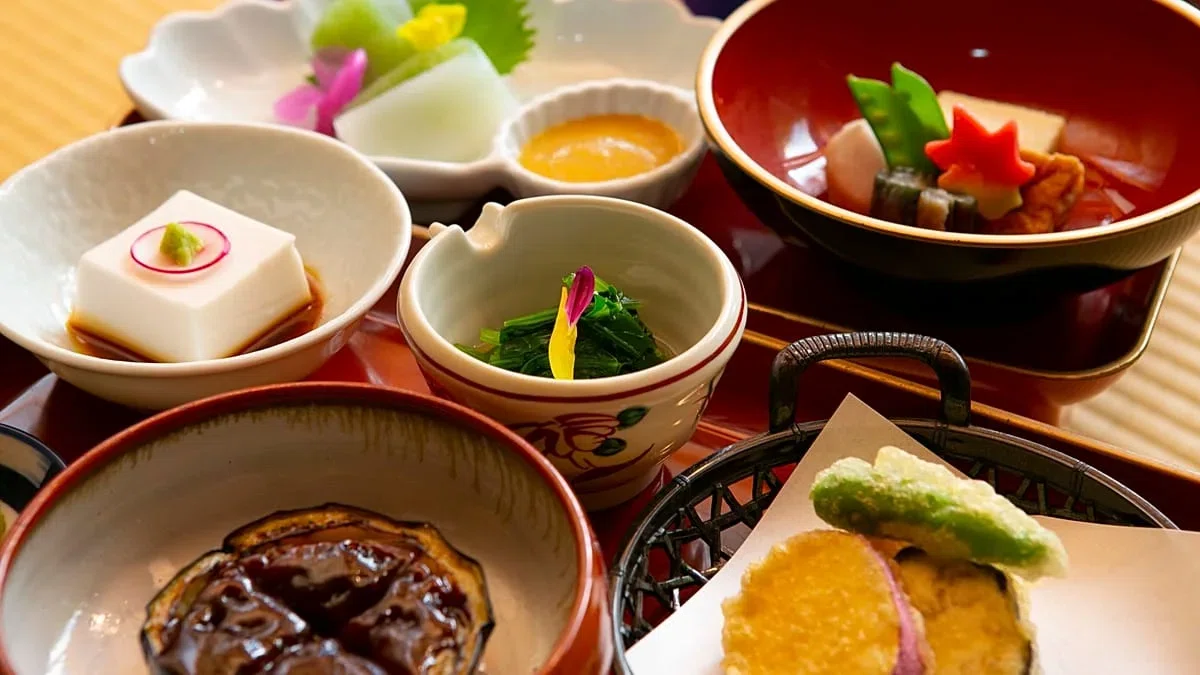
A study of 2,546 men in Finland found contrasting associations between animal and plant protein intake and testosterone levels. Men with the highest intake of animal protein had average total testosterone concentrations 1.2 nanomoles per litre lower than those in the lowest-intake group. Conversely, men in the highest plant protein intake group had concentrations 1.1 nanomoles per litre higher than those in the lowest-intake group.
Researchers at the University of Eastern Finland analysed data from men aged 42 to 60 living in eastern Finland. The study used blood samples to measure total testosterone and sex hormone-binding globulin, a protein that influences testosterone concentrations in the blood. Diets were recorded over four days between 1984 and 1989.
Higher intake of plant protein from vegetables and sources other than cereal products was associated with higher total testosterone. Higher dairy-protein intake was associated with lower total testosterone and sex hormone-binding globulin concentrations. Meat-protein intake was associated with lower sex hormone-binding globulin concentrations but not with total testosterone.
The research was cross-sectional, meaning it examined associations rather than demonstrating cause and effect. It does not establish that animal protein lowers testosterone or that switching to a plant-based diet raises it.
"Although the observed differences in testosterone concentrations were statistically significant, they were relatively small," said Miika Wynne-Ellis, a doctoral researcher at the University of Eastern Finland. The researchers adjusted their analyses for age, body mass index and several other dietary, lifestyle and health-related factors.
Key facts
- Men with the highest animal protein intake had testosterone concentrations 1.2 nanomoles per litre lower than the lowest-intake group.
- Men with the highest plant protein intake had testosterone concentrations 1.1 nanomoles per litre higher than the lowest-intake group.
- The study involved 2,546 men aged 42 to 60 living in eastern Finland.
Three perspectives
Neutral
The Finnish study found associations between protein sources and testosterone levels but did not demonstrate cause and effect.
Positive
The research identified that higher plant protein intake from vegetables and non-cereal sources was associated with higher total testosterone.
Negative
The study does not prove that changing diets will boost testosterone levels.
Your week in news, every Wednesday
The biggest stories of the week for your edition, in your inbox every Wednesday morning, your time. Free, and you can unsubscribe at any time.