Chancellor to shift green energy levies from bills to taxation
John Healey has announced plans to move net zero charges to general taxation and intends to scrap gas standing charges to lower household energy costs.
 Politics Desk 2 min read
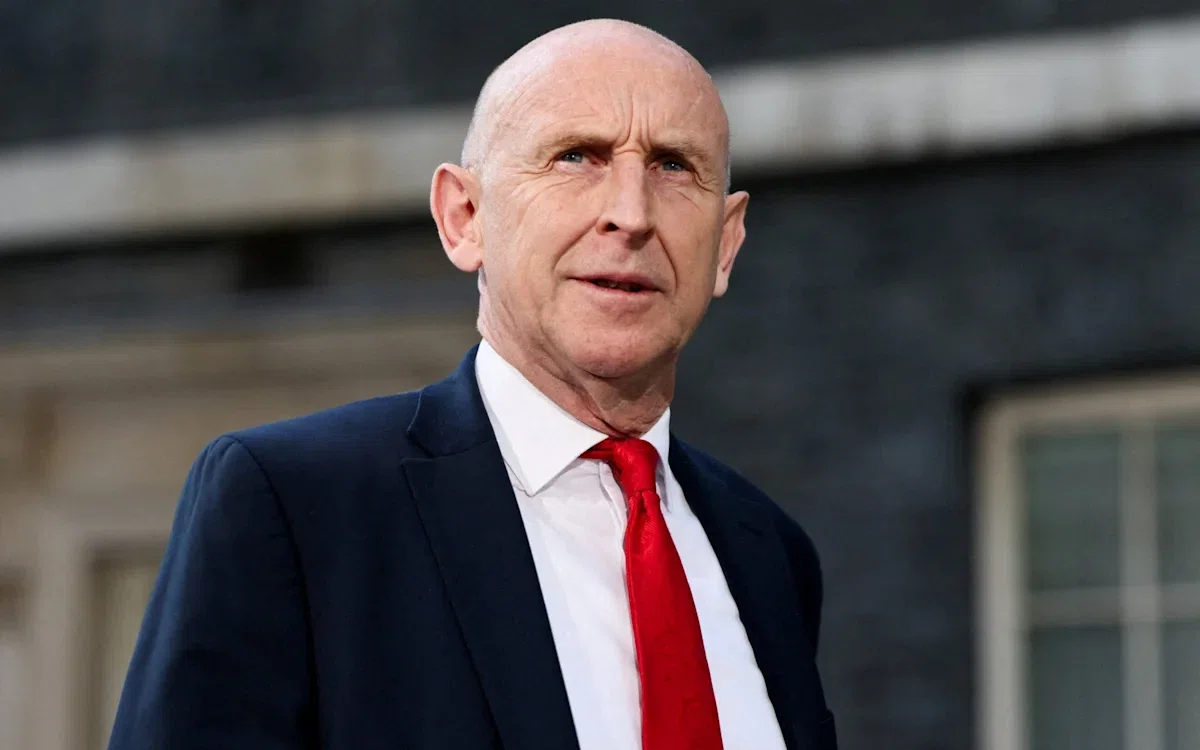
Chancellor John Healey has initiated plans to shift the cost of green subsidies from energy bills onto taxes. He has curbed the energy department's ability to add green levies to bills and announced longer-term plans to move current net zero charges to general taxation.
The move follows previous actions by former chancellor Rachel Reeves, who moved 75pc of the costs of the renewables obligation from energy bills into taxation, at an estimated cost to the Treasury of £2.5bn. This change reduced the cost of that specific levy for households to £25 this year from £102 in 2025.
Healey is also taking immediate action to tackle energy costs by announcing plans to scrap gas standing charges, which are daily levies paid regardless of gas usage. This change is expected to save the majority of households £45 a year.
The average household currently pays about £1,723 a year for energy, with green levies adding approximately £180 to the average combined bill. Of these levies, about £150 is loaded onto electricity, including £55 for the capacity market and £33 for contracts for difference.
Craig Lowrey of consultancy Cornwall Insight said the policy to scrap standing charges involves trade-offs, noting that costs for network upkeep must be recovered elsewhere. Lowrey said higher unit rates mean people in badly insulated homes, larger families, or those needing heating for health conditions could end up paying more.
Even if green levies are moved off bills, households will not be entirely insulated from net zero costs. Another £250 in the typical bill is paid in network charges, much of which goes toward upgrading the grid to connect new wind and solar plants.
Key facts
- John Healey plans to shift green energy levies to general taxation.
- The Chancellor intends to scrap gas standing charges to save most households £45 a year.
- Green levies currently add about £180 to the average combined energy bill.
Three perspectives
Neutral
The Chancellor plans to move green subsidies to taxation and scrap gas standing charges to address rising energy costs.
Positive
Abolishing these levies will lower household costs immediately and protect them from future sharp increases in subsidy costs.
Negative
Higher unit rates resulting from changes to standing charges could mean people in badly insulated homes or larger families end up paying more.
Your week in news, every Wednesday
The biggest stories of the week for your edition, in your inbox every Wednesday morning, your time. Free, and you can unsubscribe at any time.