Trump Sued Over Taxpayer-Funded Ads
Democrats claim ads promoting the president are illegal government-sponsored propaganda, costing over $12m so far. Trump's Super Pac has refused to reimburse taxpayers.
 Global Newsflix 2 min read
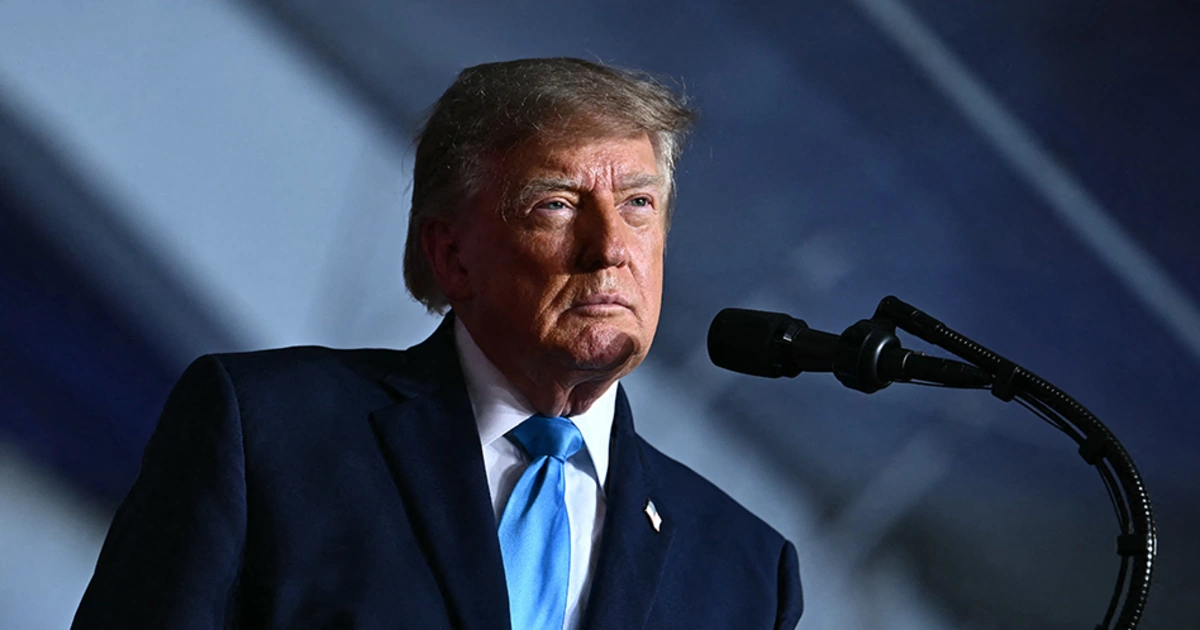
The Democratic National Committee has sued the Trump administration to stop the president from using taxpayer funds for self-promoting ads. The lawsuit, filed in federal court in Washington DC, argues that the ads are illegal government-sponsored propaganda.
The ads, which have cost taxpayers more than $12m, feature Trump promoting his policies and praising his own achievements. The Democratic National Committee chair, Ken Martin, said Trump was misusing taxpayer dollars in a last-ditch attempt to save Republicans in the upcoming midterm elections.
Trump had claimed he would direct his Super Pac to pay for the ads instead, but the White House later said the committee would not reimburse taxpayers for the money already spent. A fifth ad in the series, celebrating Trump's military intervention in Venezuela, was also paid for by the US government.
The lawsuit alleges that the ads violate federal law, including a ban on congressionally appropriated money being used for publicity or propaganda. The complaint states that Trump personally directed the illegal activity and that the White House office crafted the partisan campaign.
Common Cause, a democracy watchdog group, has also filed a lawsuit over the same set of ads, arguing that they are overtly political and therefore run afoul of laws that bar public funds from being used for political propaganda.
The ads have drawn criticism from both Democrats and Republicans, with some questioning their legality. Trump has faced mounting criticism over the ads, which began airing in September.
The White House has pushed back against criticism, calling the ads educational and saying they are not propaganda, but rather public service announcements. However, legal experts say past US government adverts have typically been about public health or national emergencies, not political promotion.
Key facts
- The ads have cost taxpayers more than $12m so far.
- Trump's Super Pac has refused to reimburse taxpayers for the money already spent.
- The lawsuit alleges that the ads violate federal law, including a ban on congressionally appropriated money being used for publicity or propaganda.
- The ads feature Trump promoting his policies and praising his own achievements.
Three perspectives
Neutral
The lawsuit is a significant development in the controversy surrounding the ads. The outcome of the lawsuit will determine whether the ads are allowed to continue. The issue has sparked a heated debate about the use of taxpayer funds for political promotion.
Positive
The lawsuit could lead to greater transparency and accountability in the use of taxpayer funds for advertising. It may also lead to a re-evaluation of the laws surrounding the use of public funds for political purposes.
Negative
The ads have been criticized for being overly political and self-promotional. The fact that Trump's Super Pac has refused to reimburse taxpayers for the money already spent has raised concerns about the misuse of public funds.
Your week in news, every Wednesday
The biggest stories of the week for your edition, in your inbox every Wednesday morning, your time. Free, and you can unsubscribe at any time.