Ethiopia
Alzheimer's Blood Test
New blood tests can detect Alzheimer's disease early, and a bipartisan bill aims to make them more accessible through Medicare coverage. Experts say the tests are a promising tool, but have limitations and costs.
 Global Newsflix 2 min read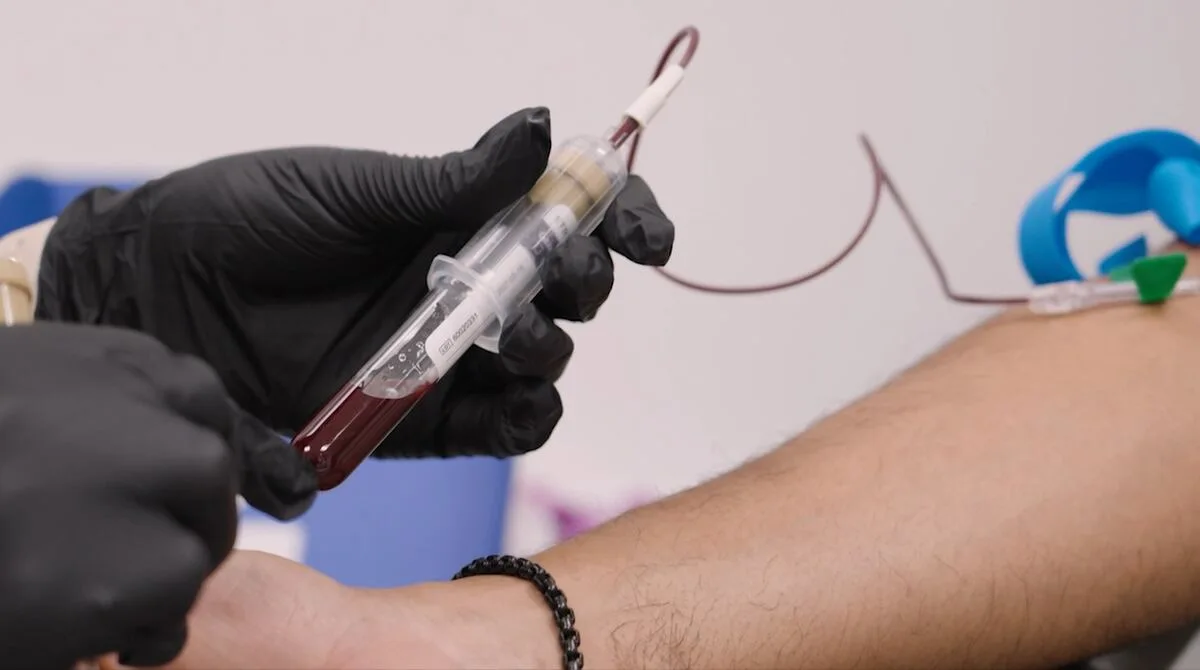
A new generation of blood tests is giving doctors another way to identify Alzheimer's disease early. These tests focus on proteins linked to Alzheimer's, and are quickly becoming part of specialty clinic visits.
University of Michigan Health neurologist Dr. Judy Heidebrink said the blood tests are only one piece of the puzzle and do not replace a full memory workup or other brain testing. The cost of these tests is a concern, ranging from several hundred dollars to over $1,000, often out of pocket.
Dr. Heidebrink considers whether a blood test would be useful for patients with cognitive impairment, and explains the limitations and costs to them. A mutual decision is then made whether to pursue the blood test.
Experts say while blood tests are a promising new tool, PET scans and spinal fluid testing are still the most established ways to confirm Alzheimer's disease. New research presented at the Alzheimer's Association International Conference found that a simple blood test can identify biomarkers for Alzheimer's in asymptomatic people a decade or more before symptoms appear.
Knowing earlier that you are at risk provides opportunities to make lifestyle changes that can delay onset, access treatments early in the disease when they are most effective, and make plans for the future. A bipartisan bill introduced in Congress, the Alzheimer's Screening and Prevention Act, or ASAP Act, would allow Medicare to cover these blood tests.
The bill has broad support in Congress, but needs every member's help to get it across the finish line before the end of the year. Crystal Goodman, a supervisor at Kristina's Helping Hands, urges North Dakota's delegation to support the ASAP Act, so that people can make informed decisions about their health.
The Alzheimer's Association's Helpline is available 24/7 at (800) 272-3900 for anyone impacted by the disease.
Key facts
- New blood tests can detect Alzheimer's disease early
- The tests focus on proteins linked to Alzheimer's
- Costs range from several hundred dollars to over $1,000, often out of pocket
- A bipartisan bill aims to make the tests more accessible through Medicare coverage
Three perspectives
Neutral
The new blood tests are a promising tool for early detection of Alzheimer's disease, but have limitations and costs. The bipartisan bill aims to make them more accessible, but its passage is uncertain. The development of these tests and the bill's progress will be closely watched.
Positive
The new blood tests offer hope for early detection and prevention of Alzheimer's disease. The bipartisan bill's broad support in Congress is a positive step towards making the tests more accessible. If passed, the bill could improve the lives of many people at risk of the disease.
Negative
The high cost of the blood tests is a significant concern, and the bill's passage is uncertain. The tests are not a replacement for a full memory workup or other brain testing, and their limitations need to be carefully considered. The development of these tests and the bill's progress will be closely watched, but there are many challenges to overcome.
Your week in news, every Wednesday
The biggest stories of the week for your edition, in your inbox every Wednesday morning, your time. Free, and you can unsubscribe at any time.