

 Tanzania
Rwanda Opens Defence University
The National Defence University of Rwanda has started operations with two constituent colleges, the National Defence College and the Defence College of Health Sciences. The university aims to provide advanced defence education and consolidate existing training institutions.
 Global Newsflix 2 min read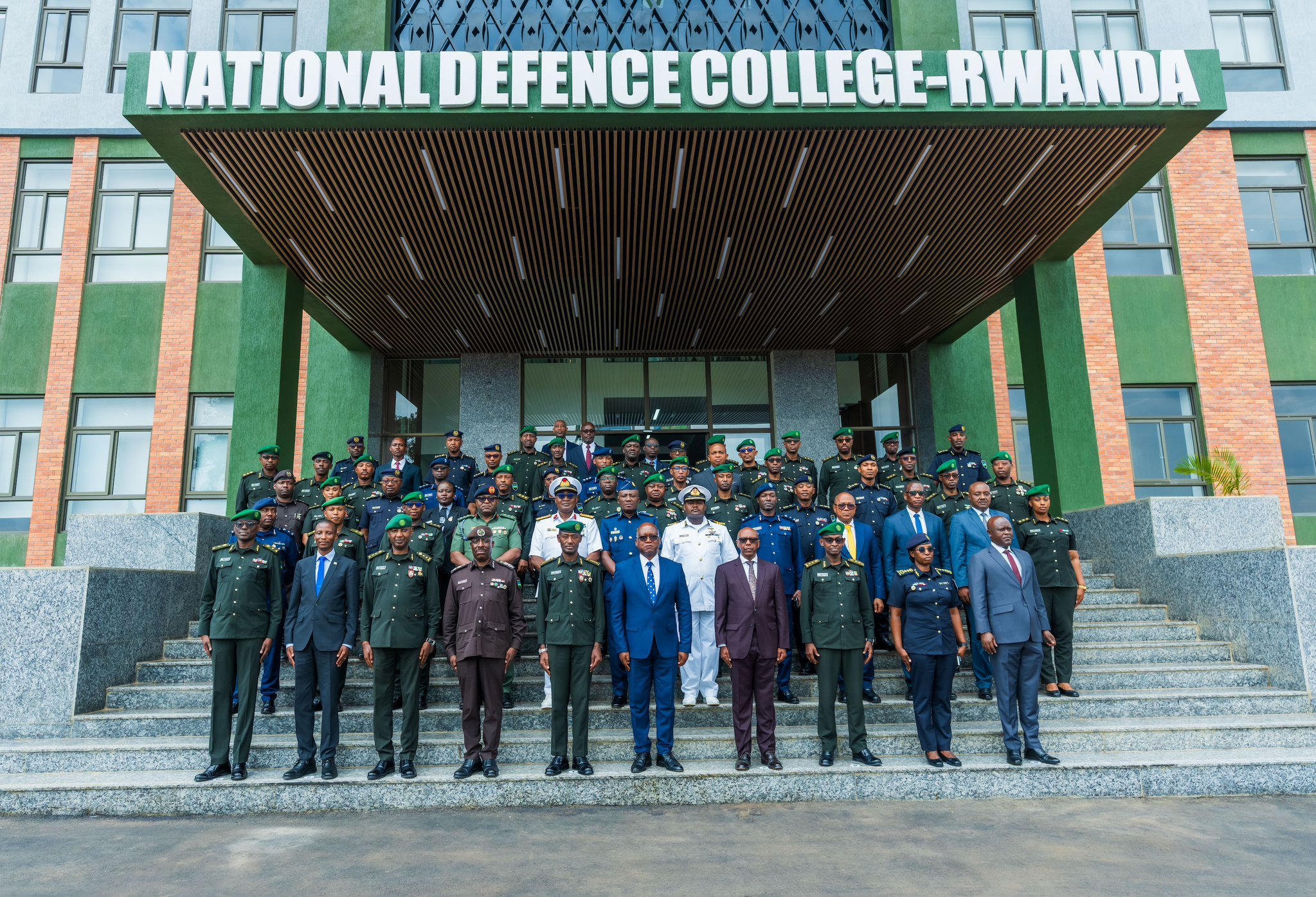
Rwanda's National Defence University has begun to take shape, with the first cohorts of two constituent colleges opening in the past two weeks. The Rwanda Defence Force, through the Ministry of Defence, opened the National Defence College, Rwanda on September 25 and the Defence College of Health Sciences on October 2.
Defence Minister Juvenal Marizamunda and Chief of Defence Staff Gen Mubarakh Muganga presided over the launch of the colleges. The National Defence College is designed to provide strategic-level education to senior military and civilian leaders.
The Defence College of Health Sciences combines military science with advanced clinical training, research, and innovation. It aims to prepare health professionals for both peacetime care and austere combat conditions. Minister Marizamunda described the college as the premier centre of gravity for specialised military medical education.
The university was formally established by law published in the Official Gazette on April 10, 2026. The idea of creating a national institution for advanced defence education dates back to around 2018, when Rwanda engaged partners, including the United States National Defense University.
The National Defence University is intended to consolidate existing RDF training institutions and create a broader system for defence, security, and strategic education. The university includes the National Defence College, the Defence College of Health Sciences, the Defence Institute of Sciences and Technology, and the Institut.
Principal Yeshigeta Gelaw said the Defence College of Health Sciences aims to become one of Africa's leading health-sciences institutions. Minister Marizamunda told the first cohort of students to regard their selection as a responsibility rather than an award.
Key facts
- The National Defence University of Rwanda has started operations with two constituent colleges.
- The university aims to provide advanced defence education and consolidate existing training institutions.
- The Defence College of Health Sciences combines military science with advanced clinical training, research, and innovation.
- The university was formally established by law published in the Official Gazette on April 10, 2026.
Three perspectives
Neutral
The establishment of the National Defence University is a significant development in Rwanda's defence sector. The university's operations will be closely watched by regional and international observers. The success of the university will depend on its ability to provide high-quality education and training to its students.
Positive
The National Defence University has the potential to become a leading institution for defence education in Africa. The university's focus on strategic-level education and specialised military medical education will help to strengthen Rwanda's defence capabilities. The university's establishment is a testament to Rwanda's commitment to investing in its defence sector.
Negative
The establishment of the National Defence University may be seen as a sign of Rwanda's increasing military ambitions. The university's focus on military science and defence education may be viewed as a threat by neighbouring countries. The university's success will depend on its ability to balance its military and academic goals.
Your week in news, every Wednesday
The biggest stories of the week for your edition, in your inbox every Wednesday morning, your time. Free, and you can unsubscribe at any time.