

 Tanzania
Colorectal Cancer Rising in Young People
Disease tends to be diagnosed late and in advanced stages in patients up to age 21, with high mortality rates. Researchers are encouraging increased scrutiny of potential symptoms in this age group.
 Global Newsflix 2 min read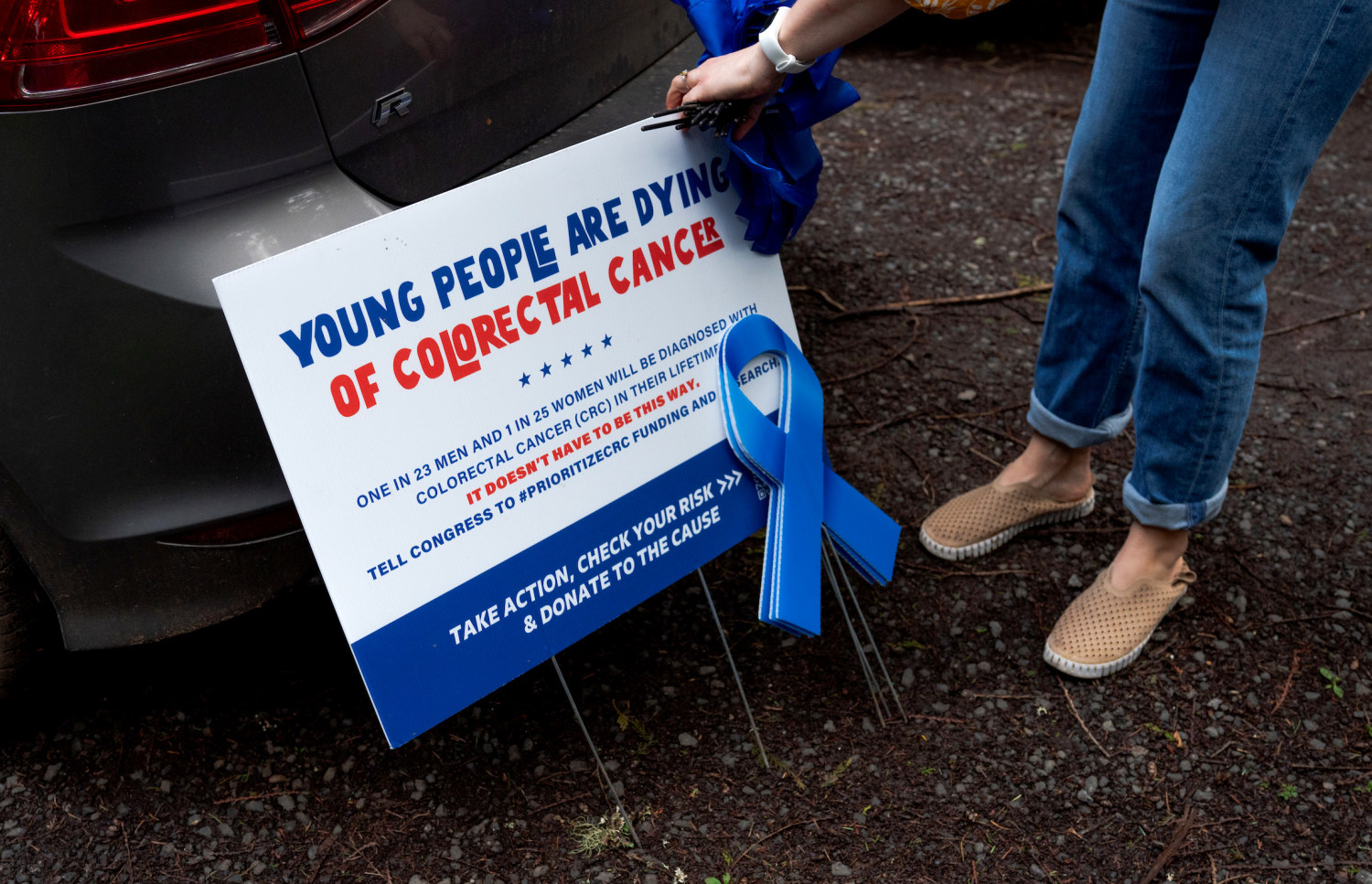
A new study has found that colorectal cancer is becoming more common in young people, with those aged up to 21 years often diagnosed with advanced disease at 3 or more months after the development of symptoms. The median duration of symptoms before diagnosis was 12 weeks, according to Erica Arnold, a pediatric surgical oncology research fellow at Nationwide Children’s Hospital.
Almost all patients presented with stage III or stage IV disease, and 5-year overall survival was 47%. The results highlight the importance of recognizing that bowel symptoms could be a sign of the disease in young people, Arnold said.
From 1999 to 2020, CRC cases increased 333% in 15- to 19-year-olds and 185% among 20- to 24-year-olds. However, gastrointestinal oncologist Kimmie Ng said it’s not definitive that cases are on the rise in this population due to the rarity of the disease and different coding methodologies.
Ng said that if cases are rising in the younger population, it’s likely that factors such as diet and lifestyle are responsible. Obesity, sedentary behavior, and consumption of sugar-sweetened beverages and ultraprocessed foods have all been linked to young-onset CRC.
The American Academy of Pediatrics is calling for increased vigilance in diagnosing colorectal cancer in young people. Researchers are encouraging parents and doctors to be aware of potential symptoms, including abdominal or back pain, changes in bowel habits, unexplained weight loss, and rectal bleeding.
Colorectal cancer is now one of the leading causes of cancer-related deaths in adults under the age of 50. Dr. Javier Nieves-Costas, a gastroenterologist, discusses the importance of routine screening and what people can do to lower their risk of colon cancer.
The study’s findings add to the growing concern about the rising rates of colorectal cancer in young people. As treating oncologists, doctors are seeing more and more young adults and adolescents with the disease, said gastrointestinal oncologist Andrea Cercek.
Key facts
- Colorectal cancer is becoming more common in young people, with a 333% increase in 15- to 19-year-olds from 1999 to 2020.
- The disease tends to be diagnosed late and in advanced stages in patients up to age 21.
- 5-year overall survival for young people with colorectal cancer is 47%.
- Obesity, sedentary behavior, and consumption of sugar-sweetened beverages and ultraprocessed foods are linked to young-onset CRC.
Three perspectives
Neutral
The rising rates of colorectal cancer in young people are a concern, and researchers are encouraging increased vigilance in diagnosing the disease. Parents and doctors should be aware of potential symptoms, and people can take steps to lower their risk of colon cancer. The American Academy of Pediatrics is calling for further research into the causes of the disease.
Positive
The study’s findings highlight the importance of recognizing bowel symptoms as a potential sign of colorectal cancer in young people. Increased awareness and vigilance can lead to earlier diagnosis and treatment, improving outcomes for young people with the disease. Researchers are working to understand the causes of the disease and develop effective prevention strategies.
Negative
The high mortality rates and late diagnosis of colorectal cancer in young people are alarming. The disease is often diagnosed at an advanced stage, making treatment more difficult. The rising rates of colorectal cancer in young people may be linked to lifestyle factors, highlighting the need for education and prevention efforts.
Your week in news, every Wednesday
The biggest stories of the week for your edition, in your inbox every Wednesday morning, your time. Free, and you can unsubscribe at any time.