

 Tanzania
Ebola Disrupts Education
Hundreds of thousands of children in eastern Democratic Republic of Congo are having their education disrupted by the largest and deadliest Ebola outbreak in the country’s history. The Norwegian Refugee Council warns that school operations and pupil attendance are being affected by fear of the disease and lack of hygiene facilities.
 Global Newsflix 2 min read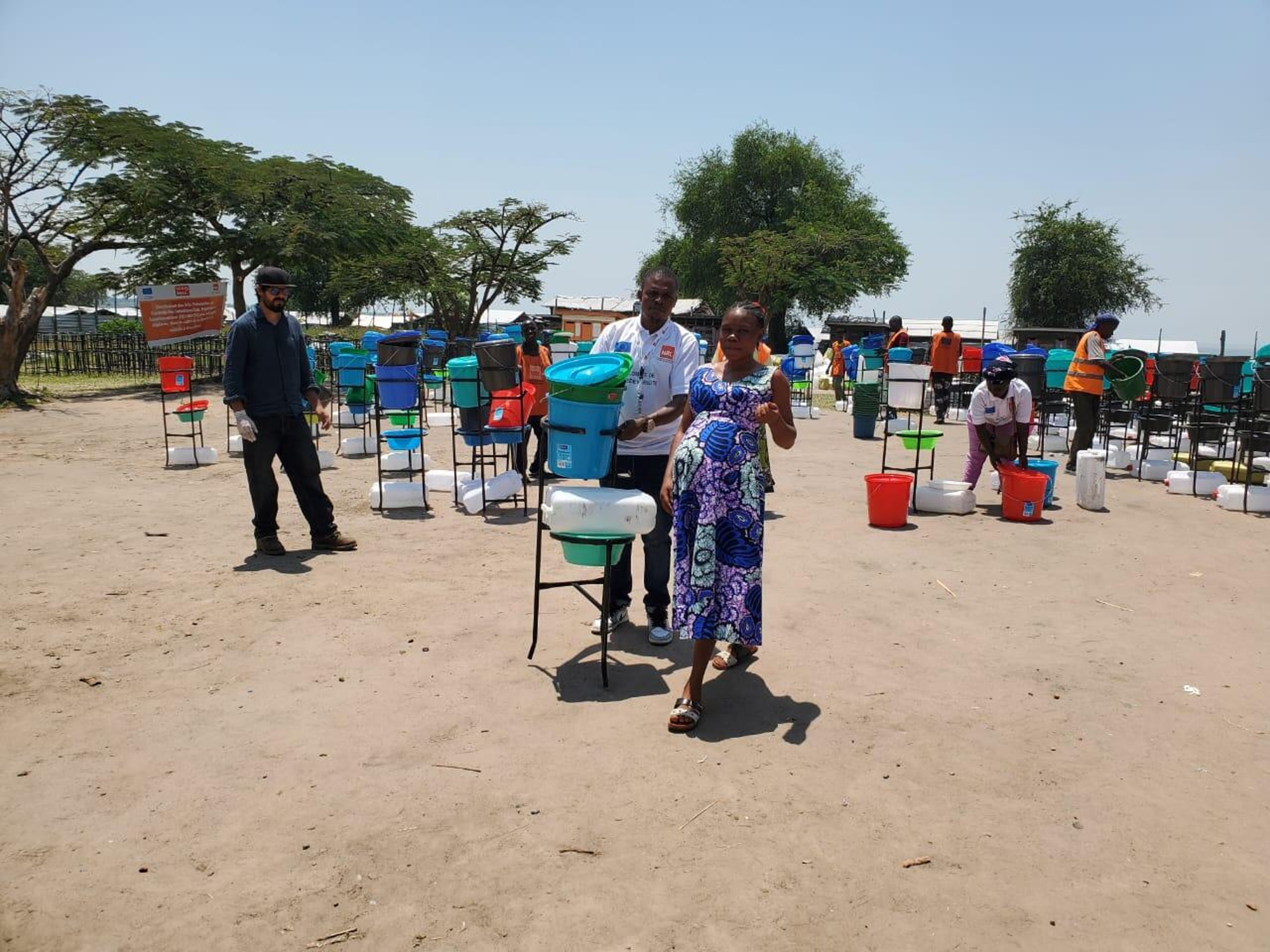
The Ebola outbreak in eastern Democratic Republic of Congo is disrupting education for hundreds of thousands of children, according to the Norwegian Refugee Council. Eric Batonon, the council's country director in DR Congo, says children should not be deprived of an education because families fear schools are not safe places to be.
Across Ebola-affected areas, 5,700 schools attended by nearly 1.8 million children remain beyond the reach of infection prevention and control measures. In provinces including Ituri, North Kivu, and Haut-Uele, almost 90 per cent of pupils have not received any support relating to hygiene or sanitation.
The French Foreign Minister has affirmed his country's commitment to continuing and strengthening efforts to support international initiatives aimed at eradicating the Ebola epidemic. He emphasized the importance of intensifying cooperation among nations and international organizations to combat the spread of infectious diseases.
Doctors Without Borders has warned of an alarming rise in Ebola cases in North Kivu, eastern Democratic Republic of the Congo, calling for urgent expansion of treatment capacity. The outbreak has intensified since early September, with the region now accounting for nearly 40 percent of the country's new confirmed cases.
The Norwegian Refugee Council is scaling up its response to the Ebola outbreak in eastern DR Congo. The council's emergency team leader in Bunia says the organization is distributing hygiene kits as part of virus prevention and control efforts.
The Ebola outbreak has caused 4,082 deaths out of 8,463 cases, according to WHO data. The Bundibugyo strain, which is driving the outbreak, has no specific vaccine or treatment currently available.
The situation is taking a toll on children, with some becoming frightened and running away when they see humanitarian vehicles or staff. The Norwegian Refugee Council is running sessions and activities for children to support their management of stress via the Better Learning Programme.
Key facts
- 5,700 schools in Ebola-affected areas lack infection prevention and control measures
- 1.8 million children are affected by the lack of hygiene facilities and sanitation support
- The Ebola outbreak has caused 4,082 deaths out of 8,463 cases
- The Bundibugyo strain has no specific vaccine or treatment currently available
Three perspectives
Neutral
The Ebola outbreak in eastern Democratic Republic of Congo is a complex issue that requires a comprehensive response from international organizations and governments. The situation is being closely monitored, and efforts are being made to support affected communities. The next steps will depend on the effectiveness of the current response efforts.
Positive
The international community is coming together to support the response efforts in eastern Democratic Republic of Congo. The French Foreign Minister's commitment to strengthening efforts to eradicate the Ebola epidemic is a positive step. The Norwegian Refugee Council's work in distributing hygiene kits and supporting children's stress management is also a constructive response.
Negative
The Ebola outbreak is having a devastating impact on education and healthcare in eastern Democratic Republic of Congo. The lack of infection prevention and control measures in schools is putting children's lives at risk. The international community's response has been criticized for being slow and inadequate, and more needs to be done to support affected communities.
Your week in news, every Wednesday
The biggest stories of the week for your edition, in your inbox every Wednesday morning, your time. Free, and you can unsubscribe at any time.