Science
Scientists propose cause for billion-year gap in Earth's geologic record
Computer simulations suggest mantle movements uplifted ancient continents, allowing ice sheets to erode away missing rock layers.
 Science
Computer simulations suggest mantle movements uplifted ancient continents, allowing ice sheets to erode away missing rock layers.
A study published in Science Translational Medicine shows that timed bursts of noise can strengthen cerebrospinal fluid flow in healthy adults.
 South Africa
The newly identified Nyana rooiwalensis was a large juvenile sauropodomorph that lived during the Late Triassic epoch.
 Chad
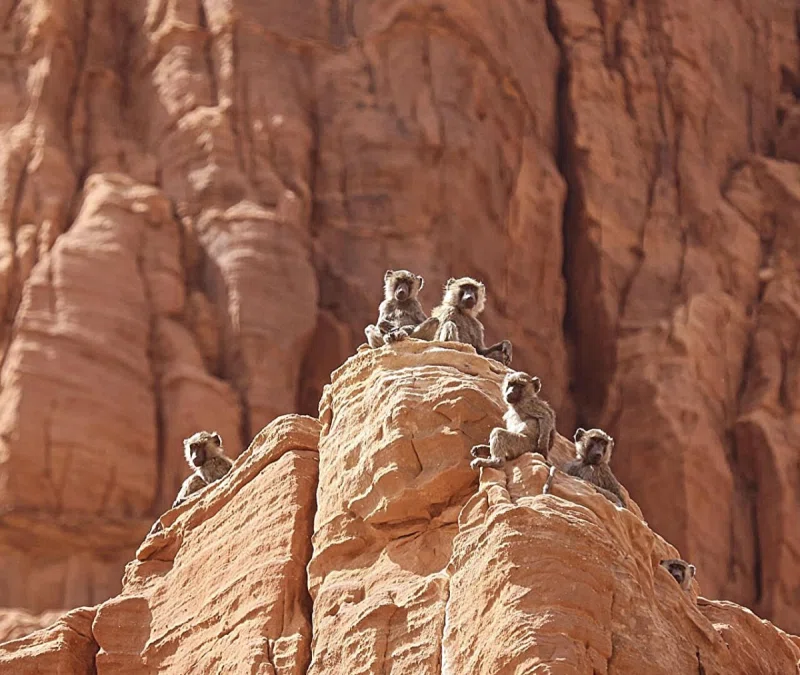
Researchers say skull punctures and shoulder marks on adult male baboons in Chad's Ennedi plateau point to Verreaux's eagle attacks.
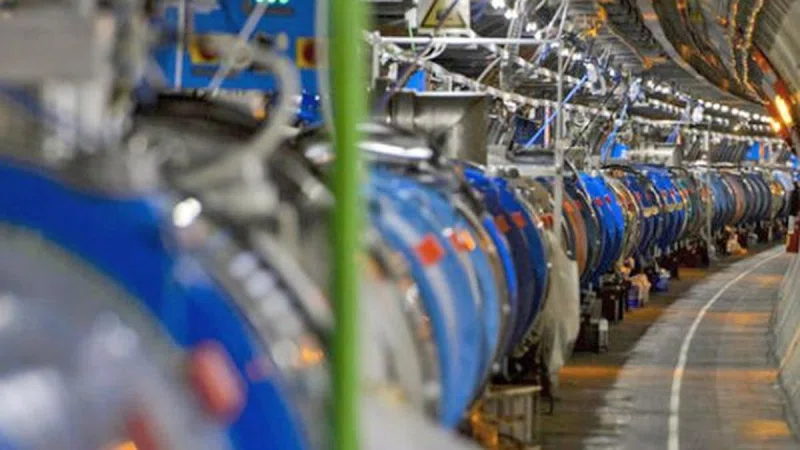
Evidence of ultra-rare B0 meson decays into two muons at the Large Hadron Collider tests the Standard Model.
Chemical tests on Aratasaurus hind leg bones identified heme and collagen amino acids, a finding that could allow scientists to study dinosaur metabolism.
New analysis suggests the supposedly extinct Grus primigenia was actually a larger version of the modern common crane.
Researchers found that even a few days of high-fat food can prime the immune system to react more strongly to future irritation.
Researchers suggest a discrete time liquid could retain short-range temporal order even as long-range coherence dissolves.
The new species, Wyoteuthis linsterorum, is described as one of the chunkiest known species of its prehistoric group.
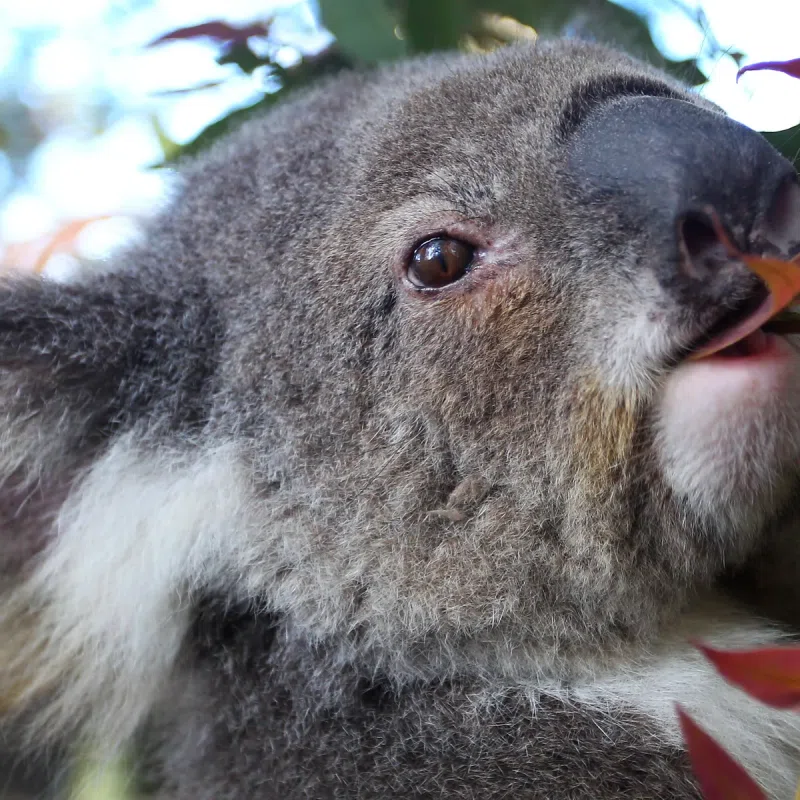
Queensland scientists say a published study contains a mistake that over-inflates the effectiveness of a vaccine approved to fight chlamydia in endangered koalas.
Three scientists awarded for research on brain activity mechanisms, using light to control nerve cells. Their work has led to a new era in neuroscience, revealing brain pathways and disease mechanisms.