Science
Scientists propose cause for billion-year gap in Earth's geologic record
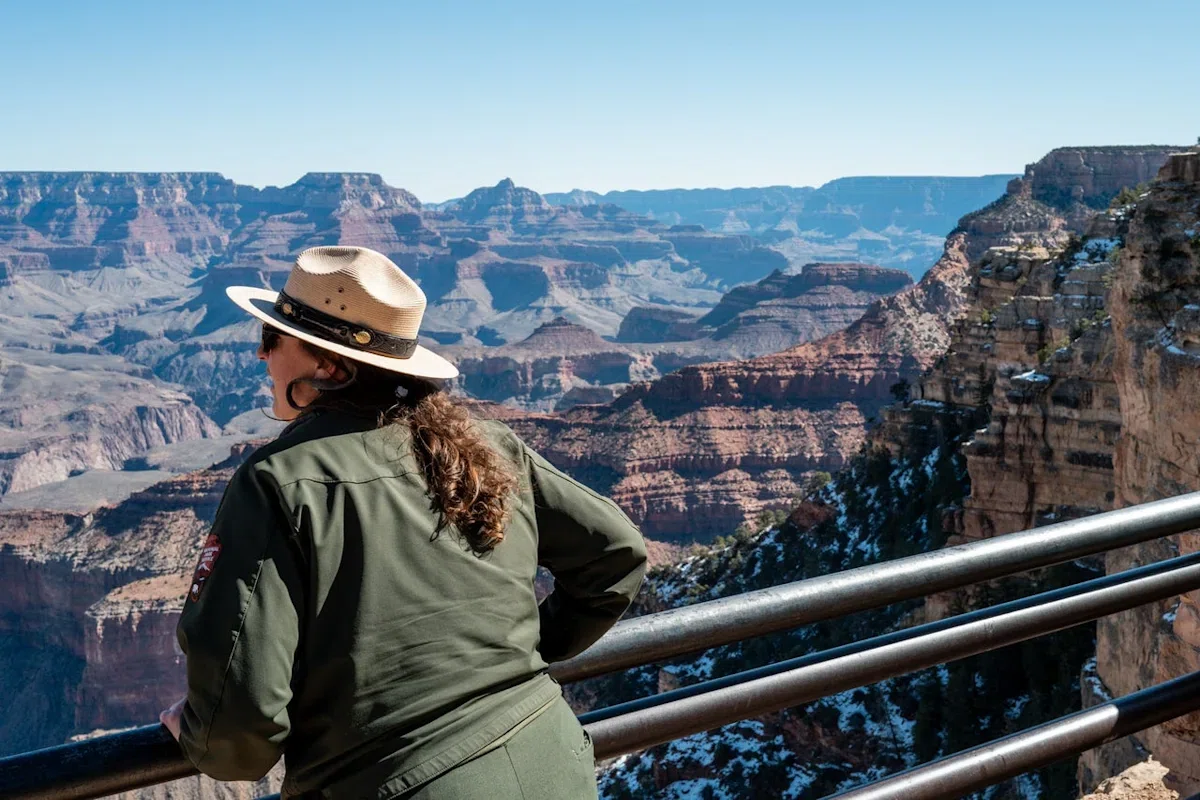
Computer simulations suggest mantle movements uplifted ancient continents, allowing ice sheets to erode away missing rock layers.
 Science
Computer simulations suggest mantle movements uplifted ancient continents, allowing ice sheets to erode away missing rock layers.
A study published in Science Translational Medicine shows that timed bursts of noise can strengthen cerebrospinal fluid flow in healthy adults.
 South Africa
The newly identified Nyana rooiwalensis was a large juvenile sauropodomorph that lived during the Late Triassic epoch.
 Chad
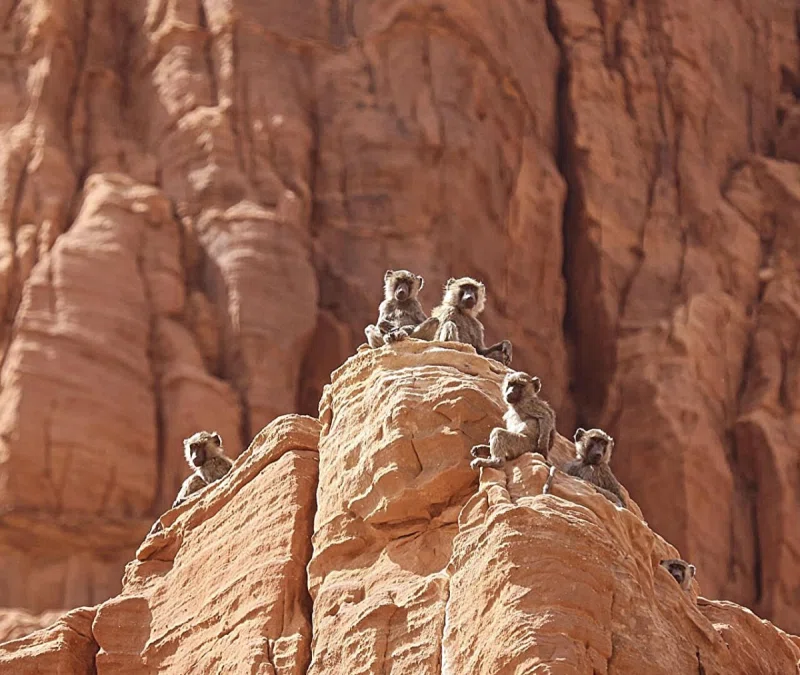
Researchers say skull punctures and shoulder marks on adult male baboons in Chad's Ennedi plateau point to Verreaux's eagle attacks.
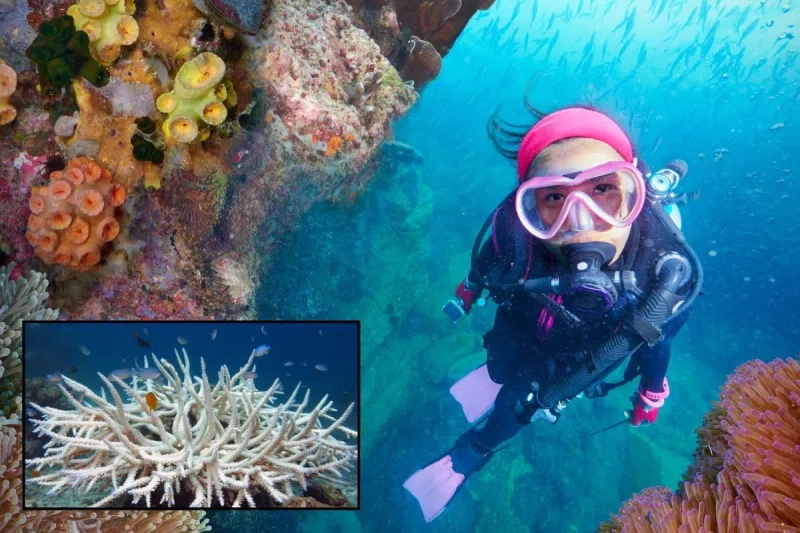
Healthy coral can pass symbiotic algae to bleached coral by forming a nutrient bridge through direct contact.
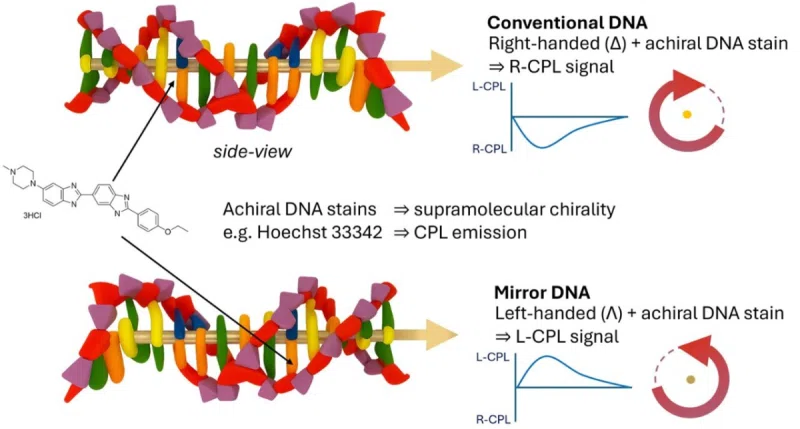
Researchers suggest using circularly polarized luminescence to identify organisms made from mirror-image molecular building blocks.
A prize-winning microscopy video has been disqualified for using generative AI. The runner-up has been elevated to the winner's position.
Scientists in Vienna and Beijing create world's first nuclear clocks, potentially outperforming atomic clocks. The new clocks use thorium-229 to measure time.
A nearly complete 57-centimeter skeleton of a feathered dinosaur, Norellraptor barsboldi, was discovered in northeastern China, suggesting birds and their close dinosaur relatives developed flight-related features separately. The fossil dates back to the Early Cretaceous, over 100 million years ago.
The Moon passes in front of Jupiter on Tuesday, a relatively rare event that occurs on average only once every 13 years. The event will be visible in parts of Canada, the US, Mexico, and Cuba.
The European Space Agency has awarded contracts to two consortia to study the feasibility of a European-led orbital outpost in low Earth orbit. The move is part of the agency's preparations for the end of the International Space Station's utilisation.