Science
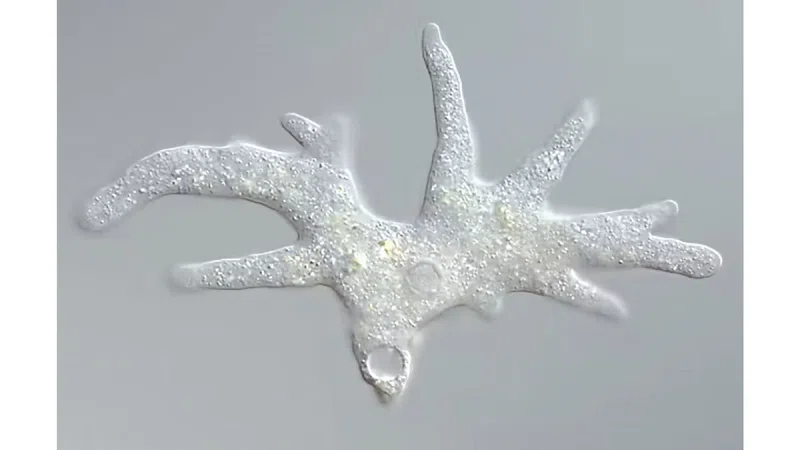
New eukaryotic organism found reproducing at 145 F
Researchers identified Incendiamoeba cascadensis in Northern California, setting a new record for the highest temperature recorded for eukaryotic life.
Researchers identified Incendiamoeba cascadensis in Northern California, setting a new record for the highest temperature recorded for eukaryotic life.
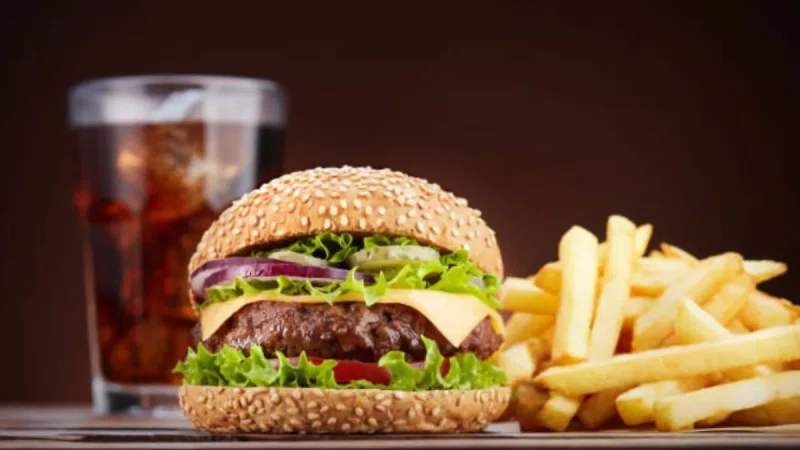
A mice study suggests that high-fat fast food may influence immune responses and inflammation, with effects that may linger after returning to a normal diet.
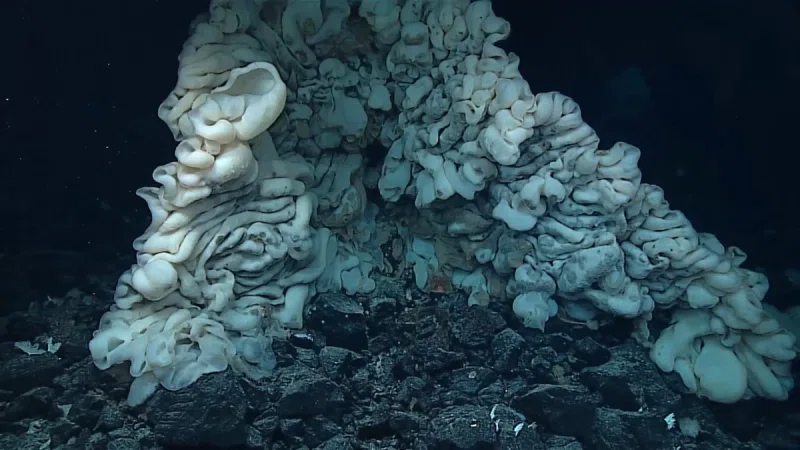
The sponge colony, measuring approximately the size of a minivan, was found at a depth of 2,130 meters during a NOAA expedition.
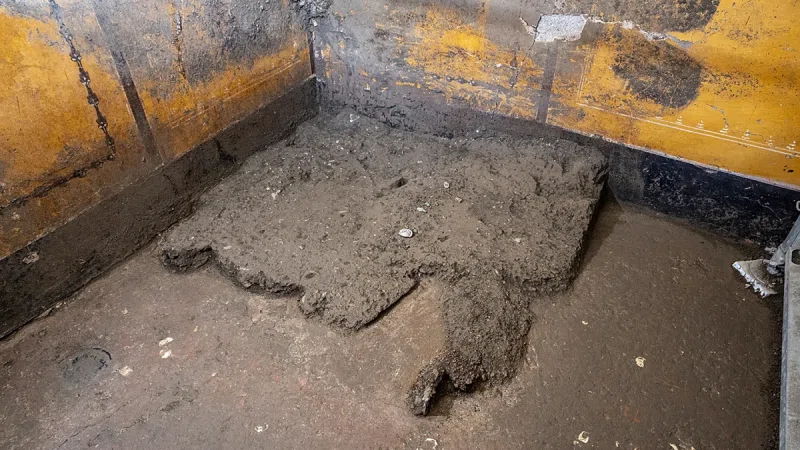
Jewels, coins, tools and cosmetics found in Cornelius Maximus's house provide insight into women's lives before the AD 79 eruption of Vesuvius.
 Australia
Reduced freshwater input from melting Antarctic sea ice has caused the Antarctic Intermediate Water to change rapidly, potentially affecting deep-ocean warming and sea levels.
The fungus may have a history dating back to the era of dinosaurs.
Sea level changes over 10,000 years reshaped the northern Adriatic coastline, submerging land once used by Mesolithic hunter-gatherers.
Scientists at the University of Sheffield have replicated the unusual colour-changing properties of the Lycurgus Cup using gold and silver nanoparticles.
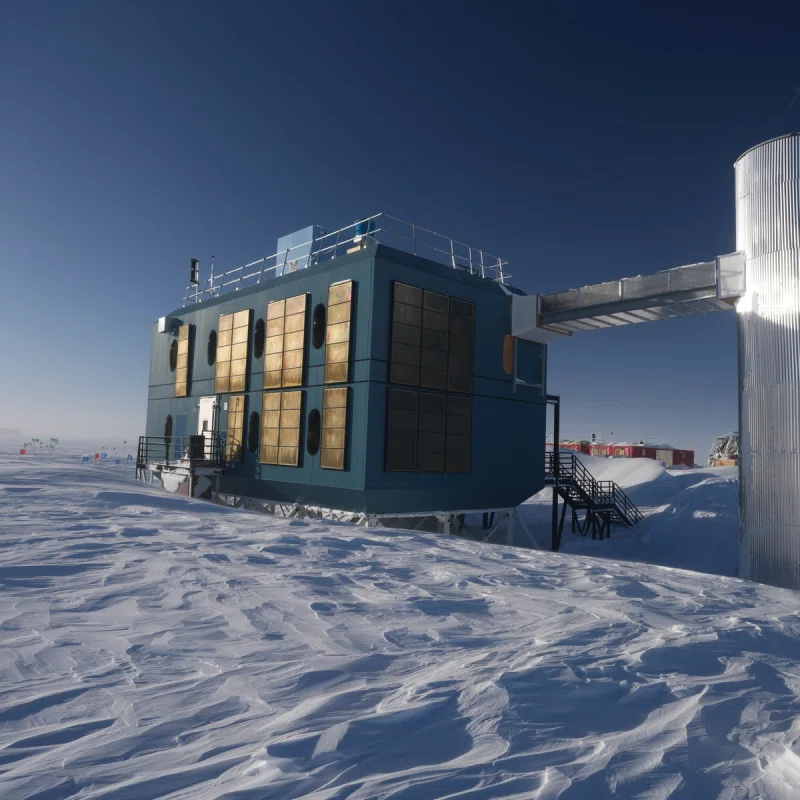
The Kozhikode-born scientist used new data-analysis techniques to study the energy spectrum of cosmic neutrinos at the IceCube Neutrino Observatory in Antarctica.
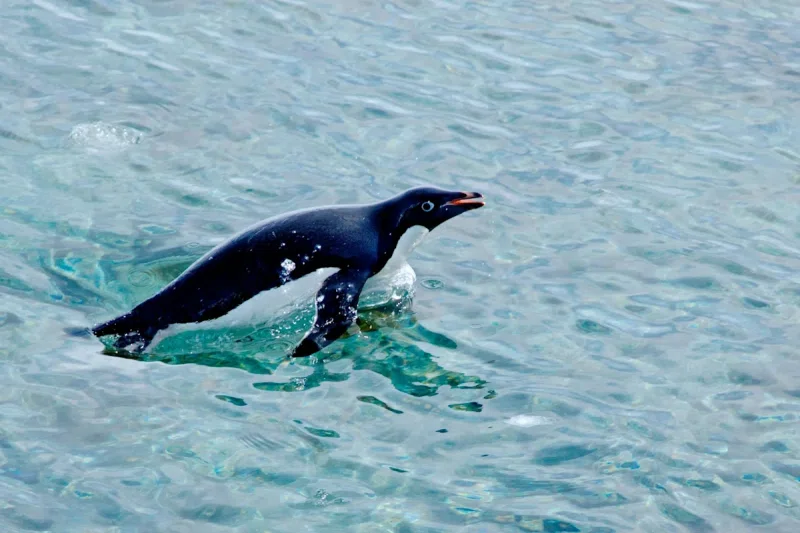
Researchers used satellite images to link the color of Adélie penguin guano to their consumption of krill and fish, tracking how climate change affects the Southern Ocean food web.
The sale of the 10-foot-tall fossil nicknamed Jodi has reignited debate over whether dinosaur remains should be held in private collections or displayed in public museums.
A physics-based framework can pinpoint radiation identity, activity, and location within two meters during six-second flights.
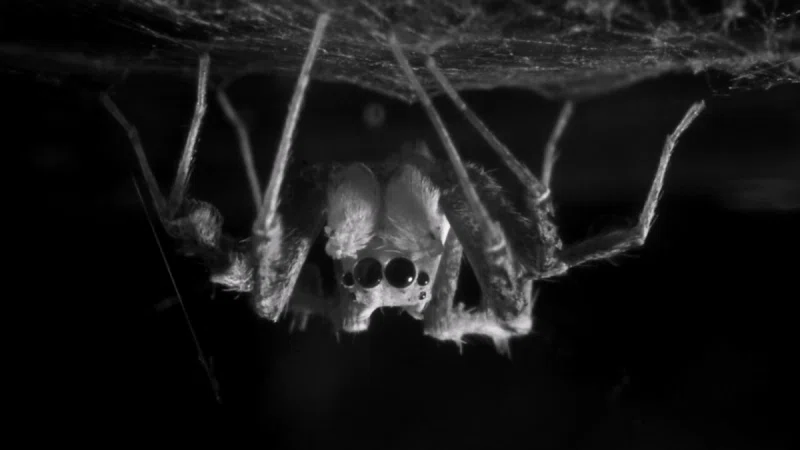
Researchers found that the Australian jumping spider Portia fimbriata undergoes regulated sleep with eye movements and muscle twitches.
 Spain
The strongest tremor measured a magnitude of 3.1 on the Richter scale and occurred to the west of the island.
 Myanmar
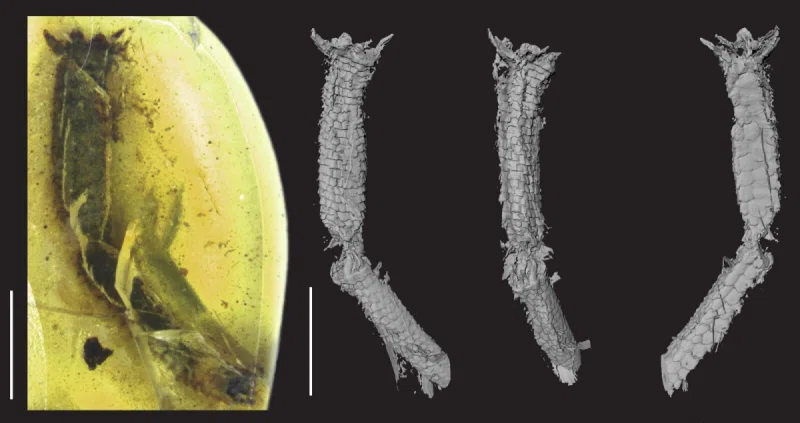
A 99-million-year-old fossil found in Myanmar shows a lizard tail detached through autotomy, a survival strategy used by many living reptiles.
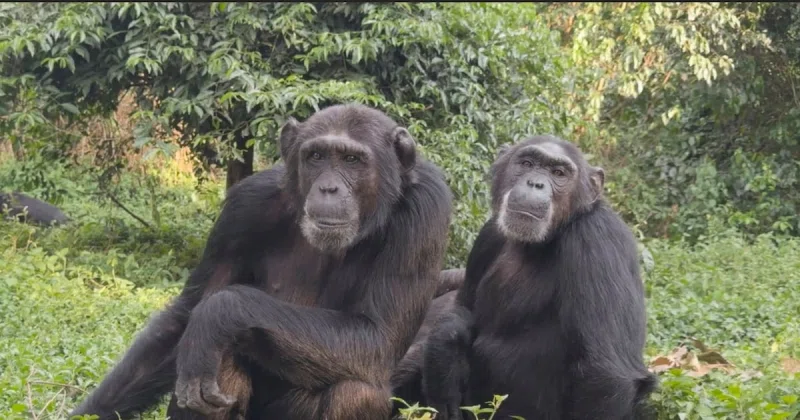
A study finds chimpanzees adjust their theft behavior based on their relationships.
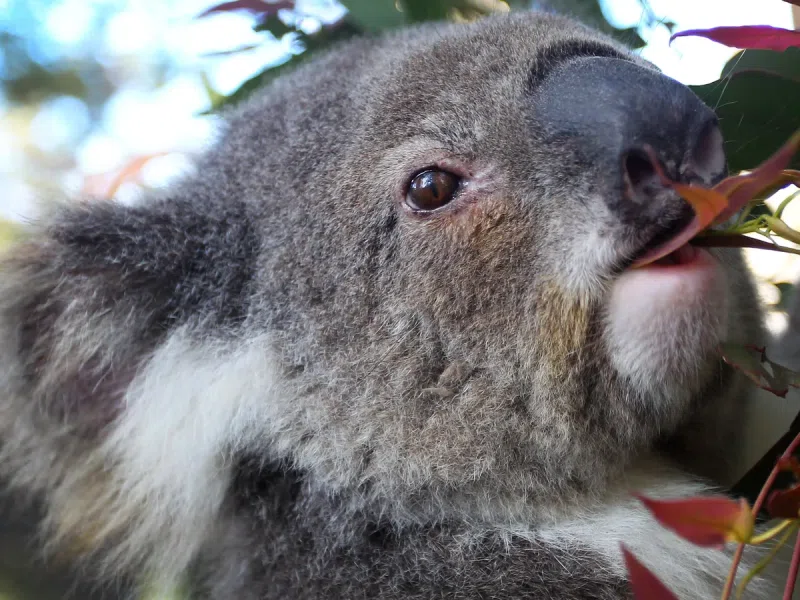
AustraliaA molecular virologist has challenged a study claiming a single-dose vaccine reduced chlamydia deaths in koalas by 64 percent over 10 years.
An inherited viral insertion suppresses the LINC00662 gene in chimpanzees, while the gene remains active during human brain development, according to a study led from Lund University.
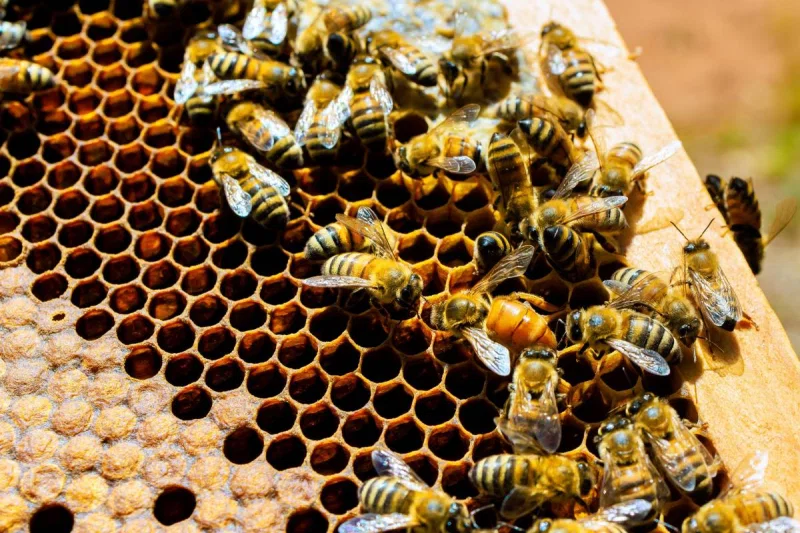
AustraliaResearchers at the University of Sydney found that hive structures use antimicrobial substances to protect bees and offspring from disease.
 China
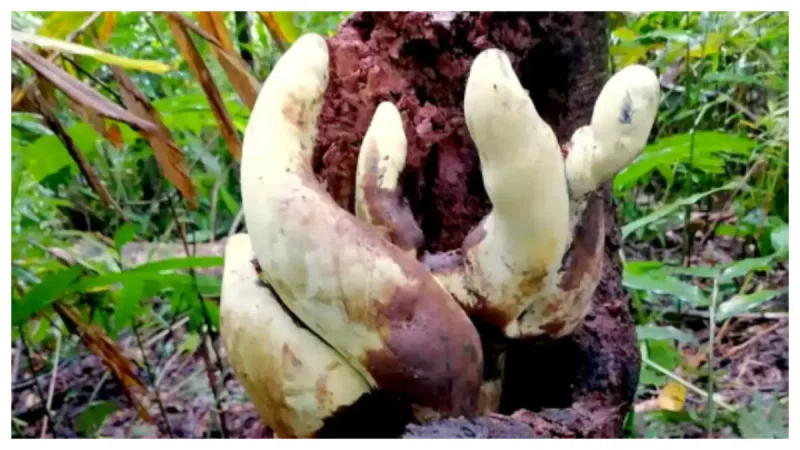
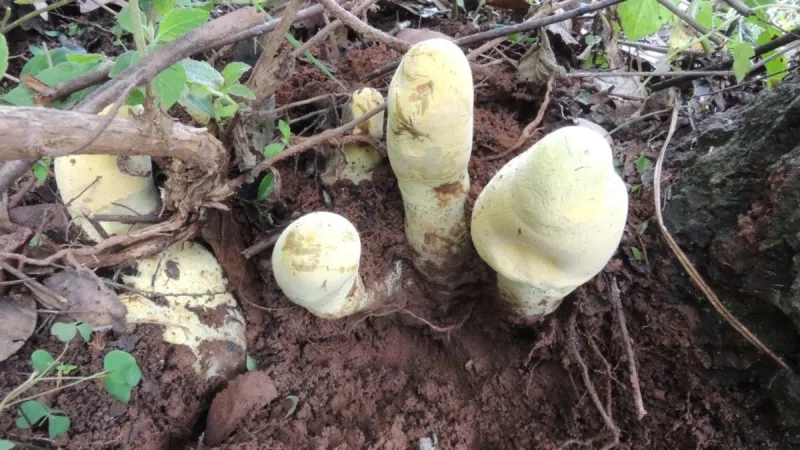
Dianjunus rex is the largest known member of the Ascomycota phylum, with reproductive structures reaching 20 inches tall.
Researchers have narrowed the identity of a mysterious 11th-century skeleton found in a repurposed Roman sarcophagus to two former abbots.
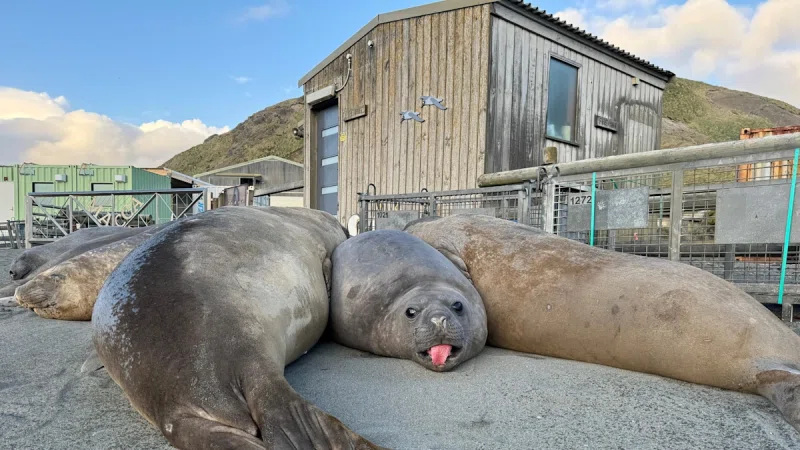
AustraliaThe H5 strain has reached the World Heritage-listed Macquarie Island, marking the first recorded outbreak on the remote wildlife sanctuary.
Scientists in Vienna and Beijing have developed the first nuclear clocks, which could make atomic clocks obsolete. These clocks use lasers to achieve ultra-precise timekeeping.
Scientists at Colossal Genetics are working on de-extincting dire wolves and woolly mammoths, which may lead to human life extension. The company's research aims to apply genetic insights from these species to human health.